
Peugeot 208 vs Peugeot 2008: The Same French Idea in Two Different Heights
Peugeot's small hatchback and its crossover sibling share an engine, a gearbox and a cockpit. The choice between them comes down to space, ride height and how you use the back seat.
By the Japan to Ireland editors · · 4 min read
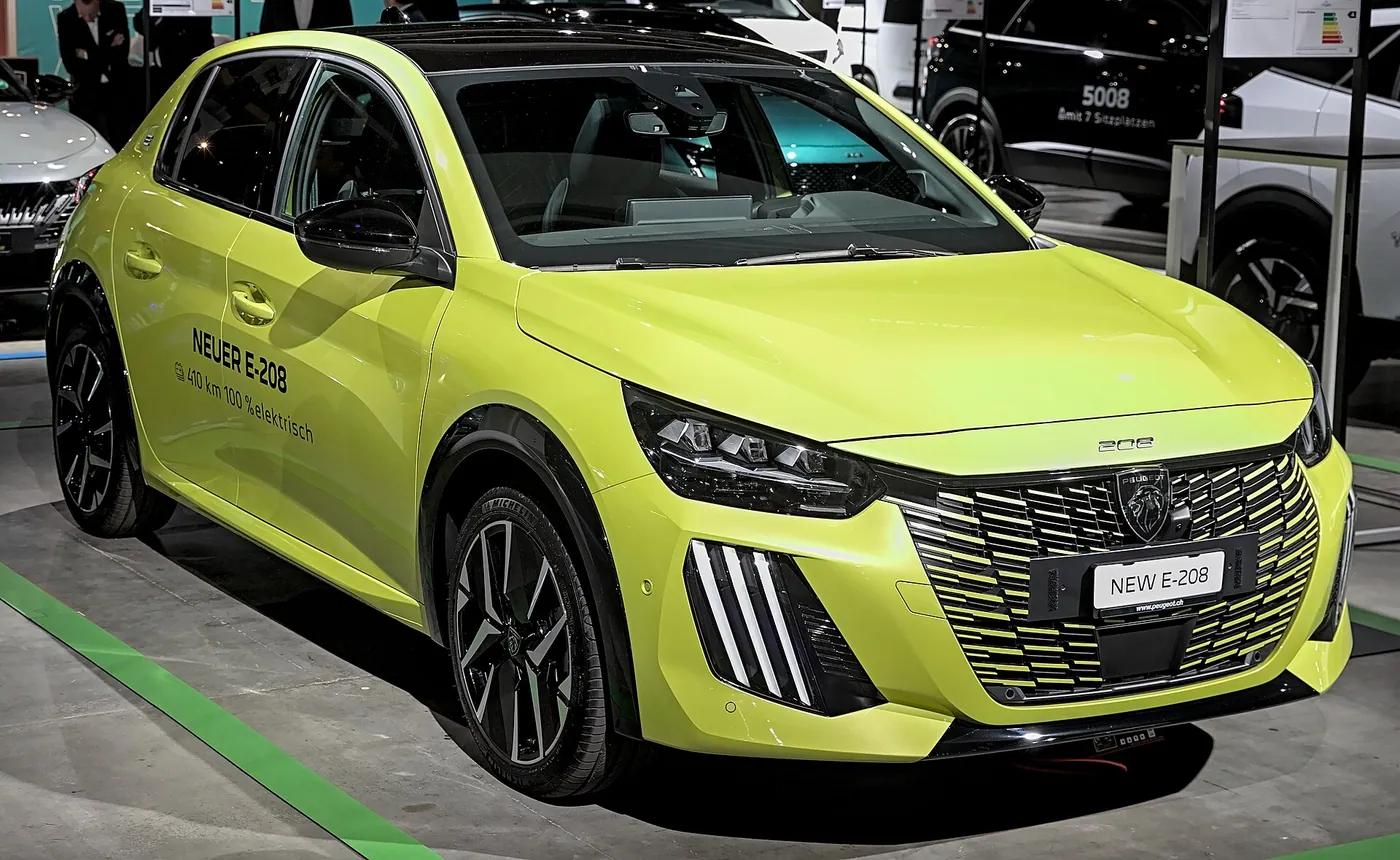
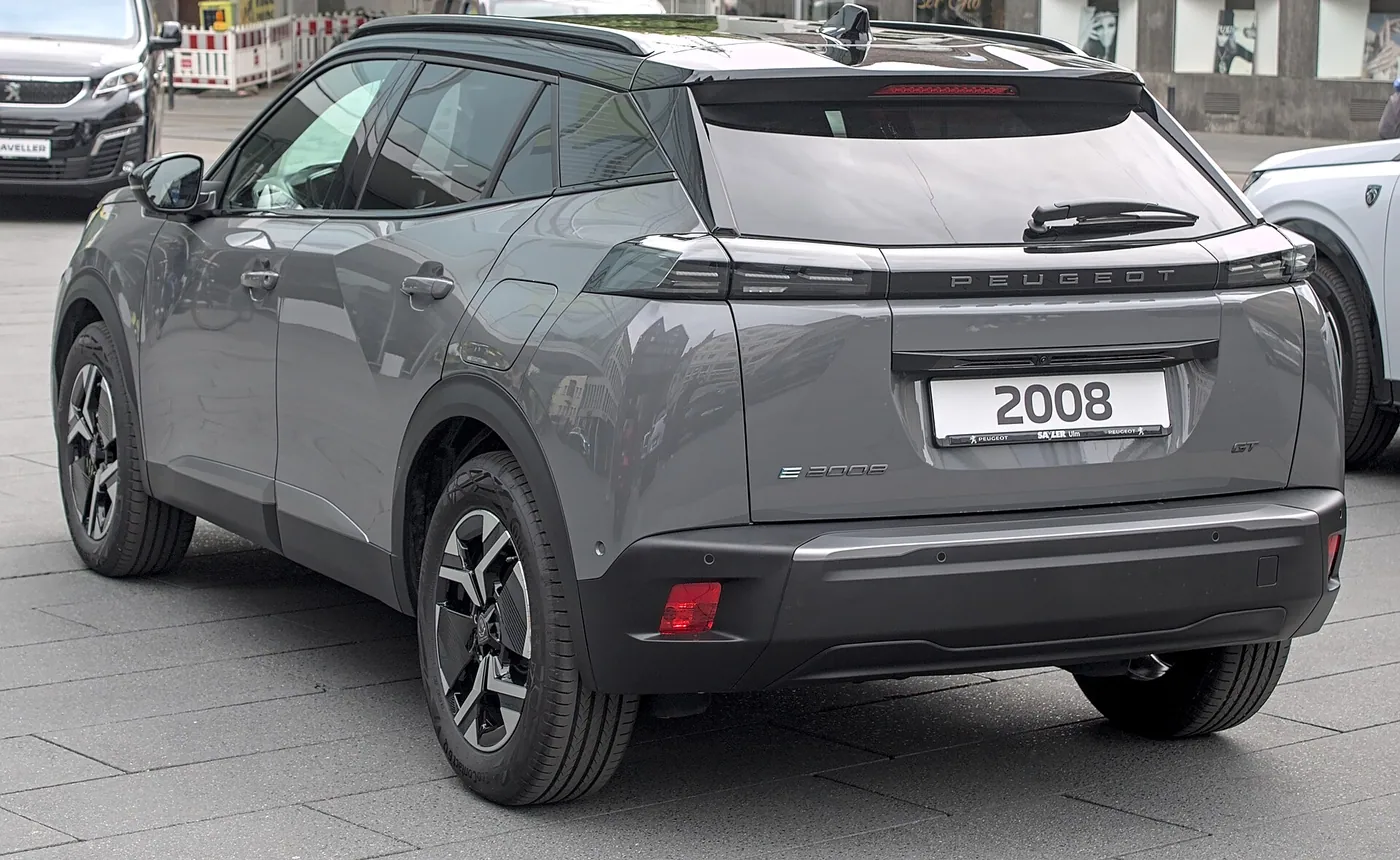
In short: In the three months to 19 September 2026, 375 Peugeot 208s sold at Japanese auctions at a median of €1,153, against 294 Peugeot 2008s at €2,065. The Peugeot 208 is the cheaper buy by about €912 at auction, before shipping, VAT, VRT and fees. Our verdict is at the end of this article.
Peugeot has always sold well in Japan to a particular kind of buyer: someone who wants a small car that looks like nothing else in the car park. The second-generation 208 and 2008 arrived there in 2020 with sharp lines, claw-shaped lights and a cockpit that is still unusual a few years on. They now turn up at Japanese auctions in useful numbers, often with low mileage and full dealer histories.
The two cars are built on the same platform, share the same 1.2-litre three-cylinder petrol engine, the same eight-speed automatic and, in electric form, the same battery and motor. The 2008 is about 20 centimetres longer, sits higher and has a bigger boot. So the comparison is not about which is better engineered. It is about which shape suits your life.
The specs
| Peugeot 208 | Peugeot 2008 | |
|---|---|---|
| Generation most imported | 2nd gen, Japan from 2020 | 2nd gen, Japan from 2020 |
| Engine(s) | 1.2 PureTech three-cylinder petrol; e-208 electric | 1.2 PureTech three-cylinder petrol; e-2008 electric |
| Gearbox | 8-speed automatic (EAT8) | 8-speed automatic (EAT8) |
| Drive | Front | Front |
| Seats | 5 | 5 |
| Length | 4,095 mm | 4,300 mm |
| Platform | CMP | CMP |
| Body | 5-door hatchback | 5-door compact crossover |
| Import duty to Ireland | 10% (not built in Japan) | 10% (not built in Japan) |
History and positioning
The first 208 appeared in 2012 and the first 2008 in 2013, and earlier cars of both appear at auction, often with older automatic gearboxes that are less pleasant. The newer generation is the one to target. It moved to Peugeot's CMP platform, brought a much better automatic and added electric versions, the e-208 and e-2008.
In Japan, the petrol 208 was sold with a 100 PS version of the 1.2 PureTech, while the 2008 had a stronger 130 PS tune. That difference matters more than the badges suggest, because the 2008 is heavier and needs the extra pull.
How they drive
The 208 is the more natural car to drive. It is light, the steering is quick, and the small wheel makes it feel eager on a twisty road. The ride is supple for a small car, absorbing broken Irish surfaces better than many rivals. With the 100 PS engine it is lively enough around town, but it needs patience on a long motorway climb.
The 2008 feels taller and a little softer. Body roll is more evident, but the ride is comfortable and the higher seating position gives a better view in traffic. The stronger engine means it does not feel slower than the hatchback in normal use. Both cars use the EAT8 automatic, which is smooth and well suited to the engine.
Inside and practicality
Peugeot's i-Cockpit puts a small steering wheel low and the instruments above it. Some drivers love it; others find the wheel hides part of the display. Sit in one before committing. The cabin quality is good for the class, with soft-touch surfaces and neat switches.
The 208's back seat is tight for tall adults and the boot is average. The 2008 is the more useful family car: the rear bench is roomier, the boot is noticeably larger and the higher floor makes loading easier. For anyone carrying children or a dog regularly, the extra length is worth having.
Running costs and reliability
Both petrol cars are economical and cheap to maintain at an independent garage. The well-known weakness of the 1.2 PureTech is its timing belt, which runs in oil and can degrade early, shedding material into the oil system. Peugeot changed its service guidance in several markets because of it. On any car you import, a recent belt inspection or replacement is worth budgeting for, and regular oil changes with the correct specification oil are not optional.
The electric versions avoid that issue entirely and suit drivers with home charging and predictable daily mileage, though their range is modest by today's standards.
What to check at a Japanese auction
Most second-generation cars will be grade 4 or better with low mileage. Look at the auction sheet for kerb damage on the wheels and scuffs on the lower bumper, and check for notes about warning lights, which on PureTech engines can point to oil pressure or belt issues. Ask whether the service history shows the belt has been checked.
Rust is not a concern on cars this age from Japan. For an e-208 or e-2008, ask for a battery health report if one is available. Confirm that the central touchscreen and digital dashboard are fully working.
The verdict
Choose the 208 if you are a single driver or a couple, mostly in town, and you want the more agile, more enjoyable car to drive. It is the purer expression of what Peugeot does well.
Choose the 2008 if you need the space. It is a more practical family car, the stronger engine makes it more relaxed on motorways, and the higher seat suits many drivers. Whichever you pick, buy the one with the best maintenance record, because with this engine, history matters more than colour or trim.
Frequently asked questions
Do the 208 and 2008 share an engine?
Yes. Both use the 1.2 PureTech three-cylinder petrol, although Japanese 2008s typically have a more powerful tune. Electric versions share a motor and battery.
What is the main known fault?
The 1.2 PureTech's oil-bathed timing belt can wear early. Check the service history for belt inspection or replacement.
Which is better for a family?
The 2008. It is longer, with a roomier back seat and a noticeably bigger boot.
Keep reading
- Volkswagen T-Cross vs Volkswagen T-Roc: Polo on Stilts or Golf in Boots
- Lexus UX vs Audi Q2: The Smallest Premium Crossovers, and the Very Different Ways They Get There
- Volvo V60 vs Volkswagen Passat: Two Sensible Estates, One With a Sense of Style
- Honda CR-V vs Mitsubishi Outlander: Two Japanese SUVs Built for Family Life
- Toyota Hiace vs Nissan NV350 Caravan: Japan's Workhorse Vans, Compared for Irish Trades
Photo credits
- Peugeot 208: Photo: Alexander-93 / Wikimedia Commons, CC BY-SA 4.0
- Peugeot 2008: Photo: Alexander-93 / Wikimedia Commons, CC BY-SA 4.0