
BMW 3 Series vs Audi A4: The Oldest Rivalry in the Compact Executive Class, Bought in Japan
Japanese-market 3 Series and A4 saloons arrive in right-hand drive, often with low mileage and dealer histories. One rewards the driver; the other rewards everyone else in the car.
By the Japan to Ireland editors · · 4 min read
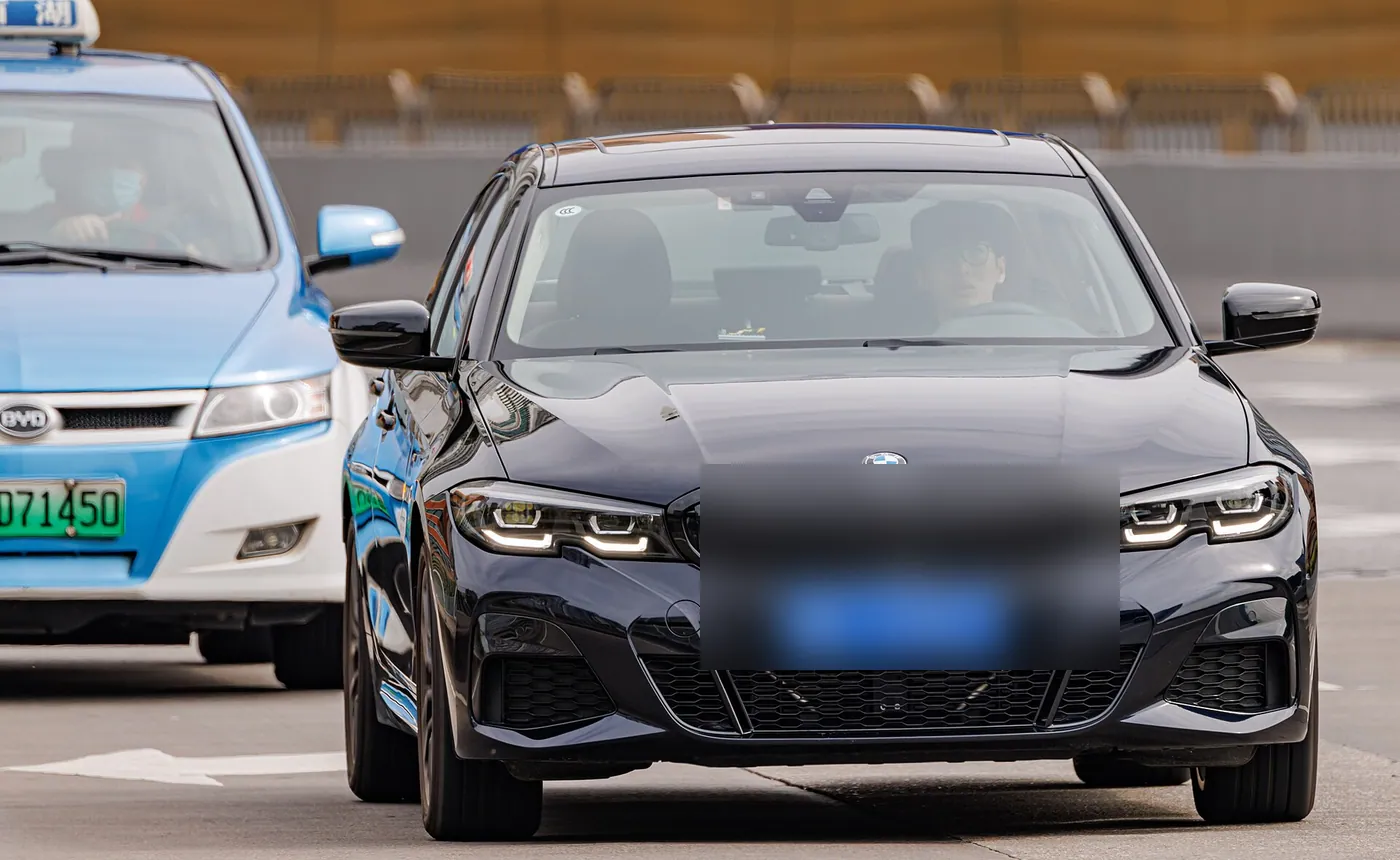
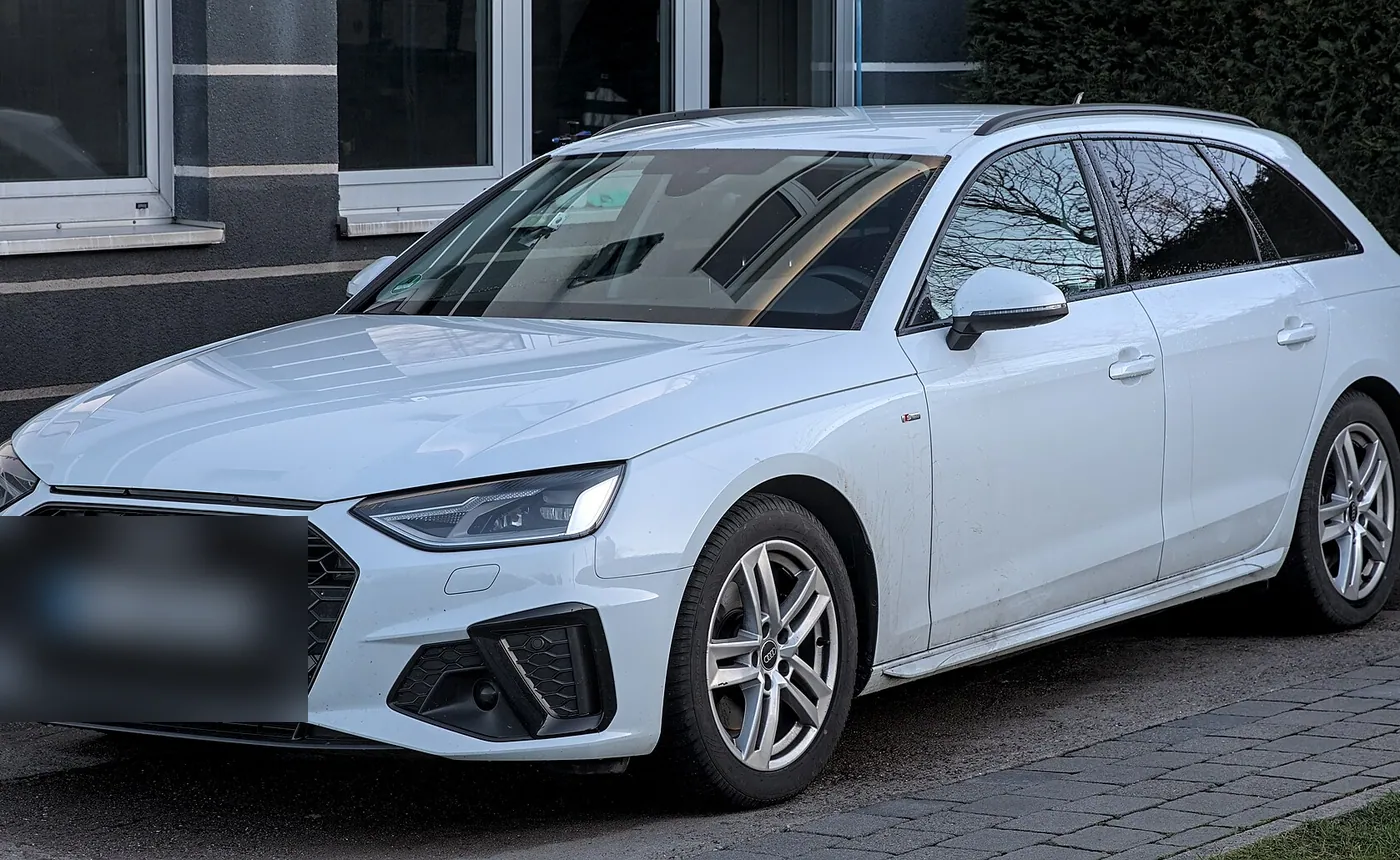
In short: In the three months to 19 September 2026, 2,545 BMW 3 Seriess sold at Japanese auctions at a median of €2,656, against 732 Audi A4s at €2,762. The BMW 3 Series is the cheaper buy by about €106 at auction, before shipping, VAT, VRT and fees. Our verdict is at the end of this article.
Few rivalries in the car business are as old or as carefully tended as this one. BMW has built the 3 Series since 1975 and has spent most of that time insisting that a family saloon should be fun to drive. Audi answered in the 1990s with the A4, a car that made its case through engineering, build quality and, in quattro form, all-wheel drive. Half a century on, the argument is still running.
Japan is a good place to settle it. Both cars are sold there in large numbers, in right-hand drive, through dealer networks that keep careful service records. When they reach Japanese auctions, often at five or six years old, many have covered modest distances on smooth roads. The cars most commonly found today are the F30 and G20 generations of the 3 Series and the B9 generation of the A4.
For an Irish buyer weighing a used German saloon, the difference between them is not quality. Both are well made. It is temperament.
The specs
| BMW 3 Series | Audi A4 | |
|---|---|---|
| Generation most imported | F30, 2012–2019; G20, 2019 on | B9, 2016 on |
| Common engines | 2.0 turbo petrol; 2.0 diesel; plug-in hybrid | 1.4 and 2.0 turbo petrol |
| Gearbox | 8-speed automatic | 7-speed S tronic dual-clutch |
| Drive | Rear; xDrive AWD on some | Front, or quattro AWD |
| Body | Saloon or Touring estate | Saloon or Avant estate |
| Seats | 5 | 5 |
| Length (approx.) | 4,625 mm (F30); 4,710 mm (G20) | 4,730 mm |
| Import duty to Ireland | 10% (not built in Japan) | 10% (not built in Japan) |
How they came to be
The F30 3 Series arrived in 2012 and was a deliberate move towards comfort and economy after the sharper E90. It was replaced in 2019 by the G20, which is larger, more technical and, by most accounts, a return to form for the driving experience. In Japan, the 320i with a 2.0-litre turbo petrol engine is the mainstay, with 320d diesels, 330e plug-in hybrids and the faster six-cylinder cars as rarer finds.
The B9 A4 went on sale in 2016 and was updated in 2019 with new styling. Japanese cars mostly use 1.4 or 2.0-litre turbo petrol engines, and quattro all-wheel drive is common on the 2.0-litre versions. The Avant estate is popular in Japan, as is the BMW Touring.
How they drive
The BMW is the driver's car. Rear-wheel drive, near-perfect weight distribution and quick, accurate steering give it a balance that the Audi does not quite match. On a dry, flowing road in Wicklow, the 3 Series feels alive in a way that makes the long way home attractive. The eight-speed automatic is excellent, smooth in traffic and quick when asked.
The A4 is quieter, more stable and more composed. It is one of the most refined cars in its class at motorway speeds, with very little wind or road noise. The steering is lighter and less communicative, but the car feels secure, and quattro versions are reassuring on wet, greasy roads in winter. The dual-clutch gearbox is quick on the move but can be slightly jerky at very low speeds.
Inside and practicality
The Audi's cabin is its strongest argument. The B9's dashboard is clean, horizontal and beautifully made, and the optional virtual cockpit digital instruments still look modern. Rear-seat space is generous for the class.
The BMW's interior is well built and driver-focused, with a slightly more cluttered design in the F30 and a much improved one in the G20. Rear space is good in the G20 and adequate in the F30. Boot sizes are similar, and both estate versions are genuinely practical.
Running costs and reliability
Both cars are economical for their size, particularly the diesels and the smaller petrol engines. Servicing is more expensive than for a Japanese saloon, and parts prices reflect the badge, though specialist independent garages in Ireland know both cars well.
On the BMW, early F30 four-cylinder petrol engines from the N20 family have a known weakness in the timing chain guides, so service history and a quiet cold start matter. Oil leaks from the valve cover and oil filter housing are common with age. The later B48 engine in facelifted F30s and G20s is regarded as more robust.
On the Audi, the 2.0-litre engine can develop coolant leaks from the water pump and thermostat housing, and the S tronic gearbox needs its fluid changed on schedule. Mechatronic faults are the costly risk.
What to check at auction
Read the auction sheet for evidence of dealer servicing and for any warning lights noted during inspection. Japanese dealers often record maintenance in a booklet that comes with the car, and its presence is a good sign.
Check alloy wheels for kerb damage, which is common on both, and look for run-flat tyres on BMWs, which can make the ride harsh. Rust is rarely a concern, though cars from snowy regions deserve an underbody photograph. Avoid cars with aftermarket tuning or lowered suspension unless that is exactly what you want.
The verdict
Buy the BMW 3 Series if you enjoy driving and want a saloon that rewards you on a good road. The G20 is the better car, but a well-maintained late F30 with the B48 engine is a strong alternative.
Buy the Audi A4 if you want a quiet, refined, beautifully finished car that excels on motorways and reassures in bad weather. Choose quattro if you live in a wet or hilly part of the country.
Frequently asked questions
Is the 3 Series rear-wheel drive?
Yes, as standard. Some Japanese-market cars use xDrive all-wheel drive.
Does the A4 come with all-wheel drive?
Many 2.0-litre Japanese A4s have quattro all-wheel drive. Smaller-engined cars are front-wheel drive.
Which is quieter on the motorway?
The Audi A4 is generally the more refined at speed.
Keep reading
- Toyota Corolla Touring vs Honda Civic: An Estate and a Hatchback Answer the Same Question
- Toyota Mark X vs Lexus IS: The Last Rear-Drive Toyota Saloon and Its Polished Cousin
- Toyota Camry vs Honda Accord Hybrid: Two Big, Quiet Saloons That Japan Kept for Itself
- Mercedes-Benz C-Class vs Volvo S60: A Small Mercedes Meets Sweden's Answer to German Formality
- Suzuki Jimny vs Mitsubishi Pajero Mini: Two Tiny Off-Roaders, One Real Climber
- Importing a BMW 3 Series: prices and costs
- Importing a Audi A4: prices and costs
Photo credits
- BMW 3 Series: Photo: Dinkun Chen / Wikimedia Commons, CC BY-SA 4.0
- Audi A4: Photo: Alexander Migl / Wikimedia Commons, CC BY-SA 4.0