
Daihatsu Mira e:S vs Suzuki Alto: The Cheapest Cars in Japan, and Why They Are Clever
Light, simple and astonishingly frugal, these two kei cars are the bare essentials of motoring done properly.
By the Japan to Ireland editors · · 4 min read
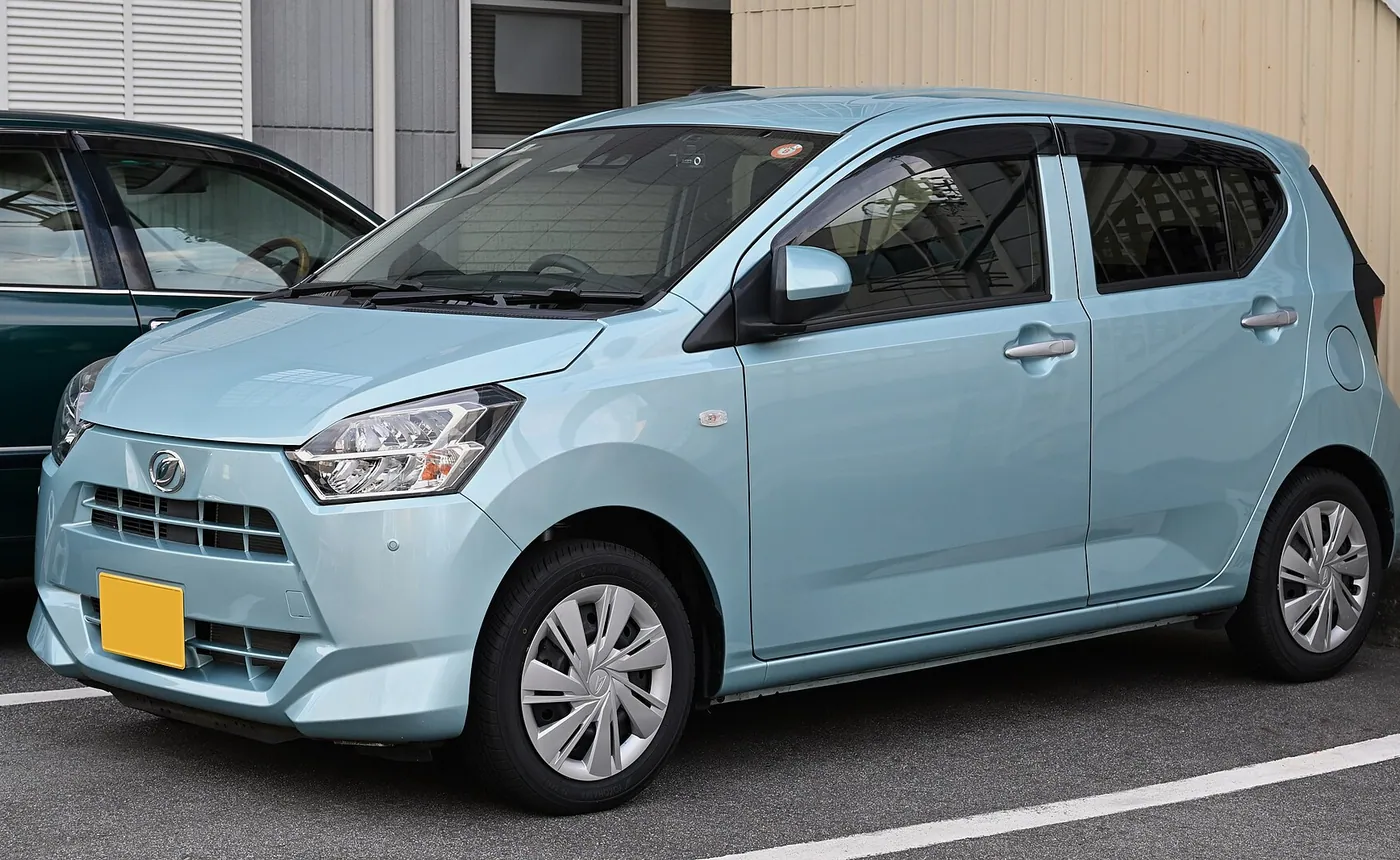
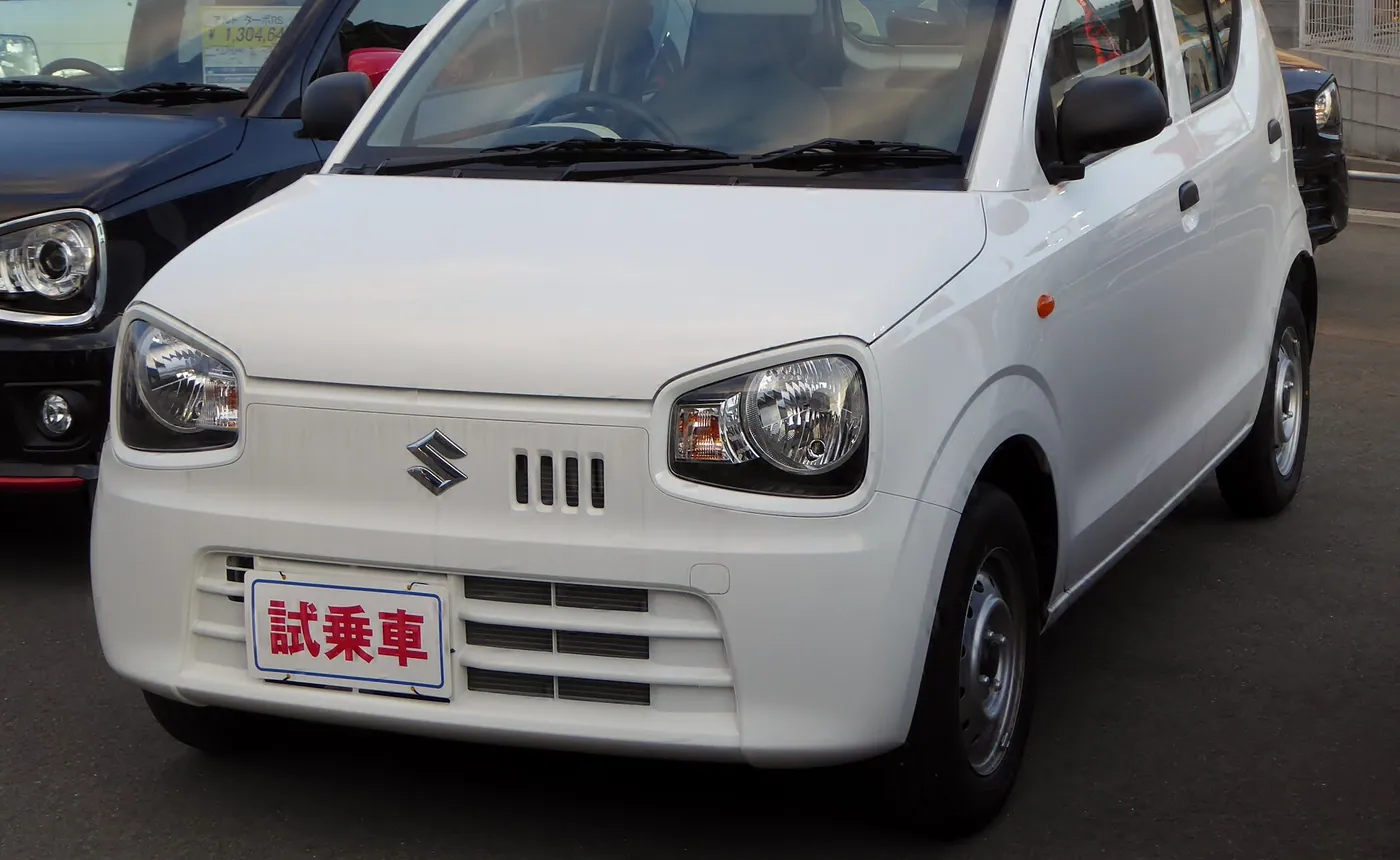
In short: In the three months to 19 September 2026, 10,372 Daihatsu Mira e:Ss sold at Japanese auctions at a median of €1,348, against 6,500 Suzuki Altos at €929. The Suzuki Alto is the cheaper buy by about €419 at auction, before shipping, VAT, VRT and fees. Our verdict is at the end of this article.
There is a particular kind of engineering that consists of taking things away. The Suzuki Alto and the Daihatsu Mira e:S are its finest modern examples. They are the cheapest new cars sold in Japan, among the lightest cars built anywhere in the past two decades, and among the most economical petrol cars ever made.
The Alto has been on sale since 1979. Its eighth generation, launched in 2014, weighed around 610 kg in its lightest form, lighter than many family hatchbacks of the 1980s. Daihatsu's Mira e:S arrived in 2011 as an efficiency special, and its second generation, from 2017, cut weight further on Daihatsu's new lightweight platform.
For Irish buyers, they are the purest budget runabout available: a car for a student, a learner, a second car for the station run, or a cheap commuter for a town where parking is tight.
The specs
| Daihatsu Mira e:S | Suzuki Alto | |
|---|---|---|
| Generation most imported | 2nd gen (LA350S), 2017 on | 8th gen (HA36S), 2014–2021 |
| Engine | 658 cc three-cylinder | 658 cc three-cylinder |
| Gearbox | CVT | CVT, 5-speed manual or AGS |
| Drive | Front, or 4WD | Front, or 4WD |
| Lightest kerb weight | About 650 kg | About 610 kg |
| Length | 3,395 mm | 3,395 mm |
| Width | 1,475 mm | 1,475 mm |
| Seats | 4 | 4 |
| Import duty to Ireland | 0% possible (Japan-built, with proof of origin) | 0% possible (Japan-built, with proof of origin) |
Two takes on frugality
Both are built to Japan's kei car rules, which cap length at 3,395 mm, width at 1,475 mm and engine size at 660 cc. Both use three-cylinder engines and front or four-wheel drive. The differences are in the details and the mood.
The Alto has character. Its eighth generation wore deliberately retro styling, with a flat face and upright tail, and Suzuki turned it into a small enthusiast car with the Alto Turbo RS and the revived Alto Works, a turbocharged version with a five-speed manual. The standard car is the one most people import, and it feels light and willing.
The Mira e:S is more conventional to look at and a little more grown-up inside. Its cabin feels slightly more solid, and later grades carry a fuller set of safety equipment.
How they drive
Lightness is the secret. With so little mass to move, a modest engine feels adequate, the steering is quick, and the car changes direction with an eagerness that surprises people who expect a penalty box. On a twisting regional road at sensible speeds they are fun.
The Alto offered an automated manual gearbox, AGS, on some grades. It saves weight but can feel slow-witted in traffic, pausing between shifts. The CVT versions of both cars are smoother and easier to live with. The Mira e:S uses a CVT throughout.
On the motorway both will hold the limit, but they are buzzy and sensitive to crosswinds. They are happiest in town and on regional roads.
Inside and practicality
Neither is plush. The plastics are hard, the seats basic, and lower grades may lack features most buyers take for granted. But the packaging is clever: four doors, a rear seat that takes two adults for short trips, and a small boot that expands when the seat back folds.
Higher grades are worth seeking out. They add details such as keyless entry, better seat fabric, alloy wheels and climate control, and they make a cheap car feel considerably less cheap on a cold January morning. Because the cars are so narrow, three across the back is out of the question, but the doors open wide and the upright seating makes getting in and out easy for older passengers. Visibility is excellent in every direction, which helps a nervous new driver more than any parking sensor.
Safety
Later cars of both gained automatic emergency braking: Daihatsu's Smart Assist and Suzuki's camera-based brake support. Both meet Japanese crash standards. They are still very small, very light cars, and in a collision with a large SUV physics is not on their side. Buyers should choose the newest, best-equipped example their budget allows.
Running costs and reliability
Fuel bills are tiny, and their low CO2 figures put them at the bottom of Ireland's registration and motor tax bands. Insurance for a small-engined car is usually low, though young drivers should still shop around. Mechanically, both are simple and dependable, and servicing is basic.
What to check at auction
Because they are cheap, these cars are often used hard and maintained lightly. Read the auction sheet for interior grade, as cabins can be worn, and look for scuffs and dents marked A and U on bumpers and doors. On AGS-equipped Altos, look for any note about gearbox faults.
Rust is the issue to watch on older and 4WD cars from northern Japan. Ask about sills, rear arches and the underbody. A grade 4 car with low recorded mileage is the target.
The verdict
The Mira e:S feels a touch more solid and has better safety equipment on later models, which makes it the sensible pick for a nervous parent buying for a new driver. The Alto is lighter, sharper and has more personality, and a CVT version is the one to choose. For a city car on a tight budget, both are excellent. Choose on condition and equipment rather than badge.
Frequently asked questions
How economical is a Suzuki Alto?
Very. Its light weight and small engine make it one of the most economical petrol cars sold in Japan.
Is the Mira e:S safe?
It meets Japanese crash standards and later models have automatic emergency braking, but it is a very small, light car.
Can a kei car handle Irish motorways?
They can cruise at motorway speeds, but these non-turbo versions are best suited to town and regional roads.
Should I avoid the Alto's AGS gearbox?
Not necessarily, but the CVT versions are smoother in traffic and easier for most drivers.
Keep reading
- Honda Vezel vs Toyota Yaris Cross: Two Small Hybrid SUVs, Two Ideas of Comfort
- Toyota Hiace vs Nissan NV350 Caravan: Japan's Workhorse Vans, Compared for Irish Trades
- Toyota Corolla Fielder vs Honda Shuttle: The Compact Estates Ireland Forgot It Wanted
- Suzuki Every vs Honda N-Van: Small Vans for Small Businesses and Big Adventures
- Honda N-Box vs Daihatsu Tanto: Inside Japan's Battle of the Tall Little Boxes
Photo credits
- Daihatsu Mira e:S: Photo: TTTNIS / Wikimedia Commons, CC0
- Suzuki Alto: Photo: Tokumeigakarinoaoshima / Wikimedia Commons, CC0