
Suzuki Wagon R vs Daihatsu Move: The Original Tall Kei Cars, Still Slugging It Out
Before the super-tall kei boxes with sliding doors, these two invented the idea of a tiny car you could sit up straight in. They remain two of the most sensible small cars Japan exports.
By the Japan to Ireland editors · · 4 min read
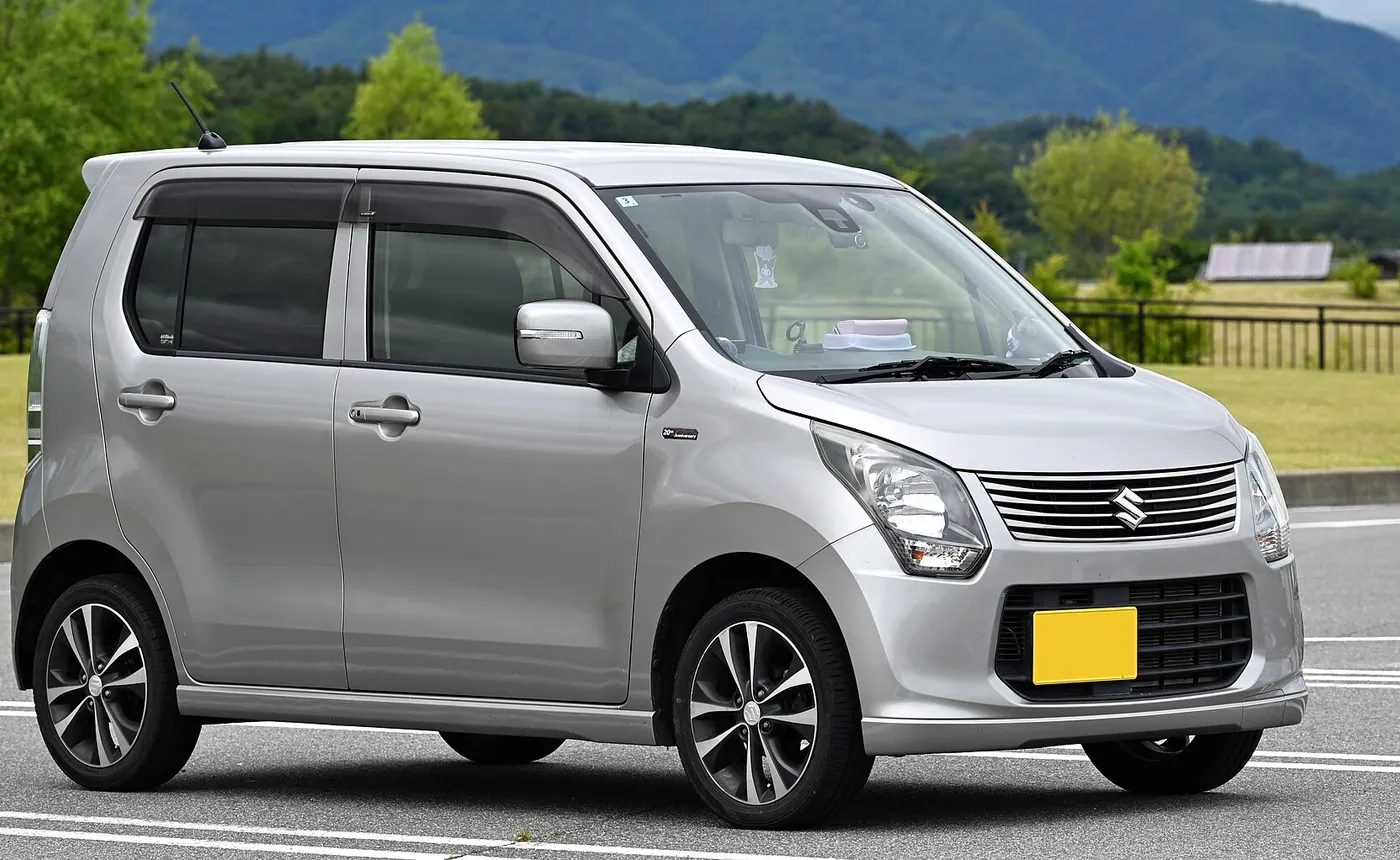
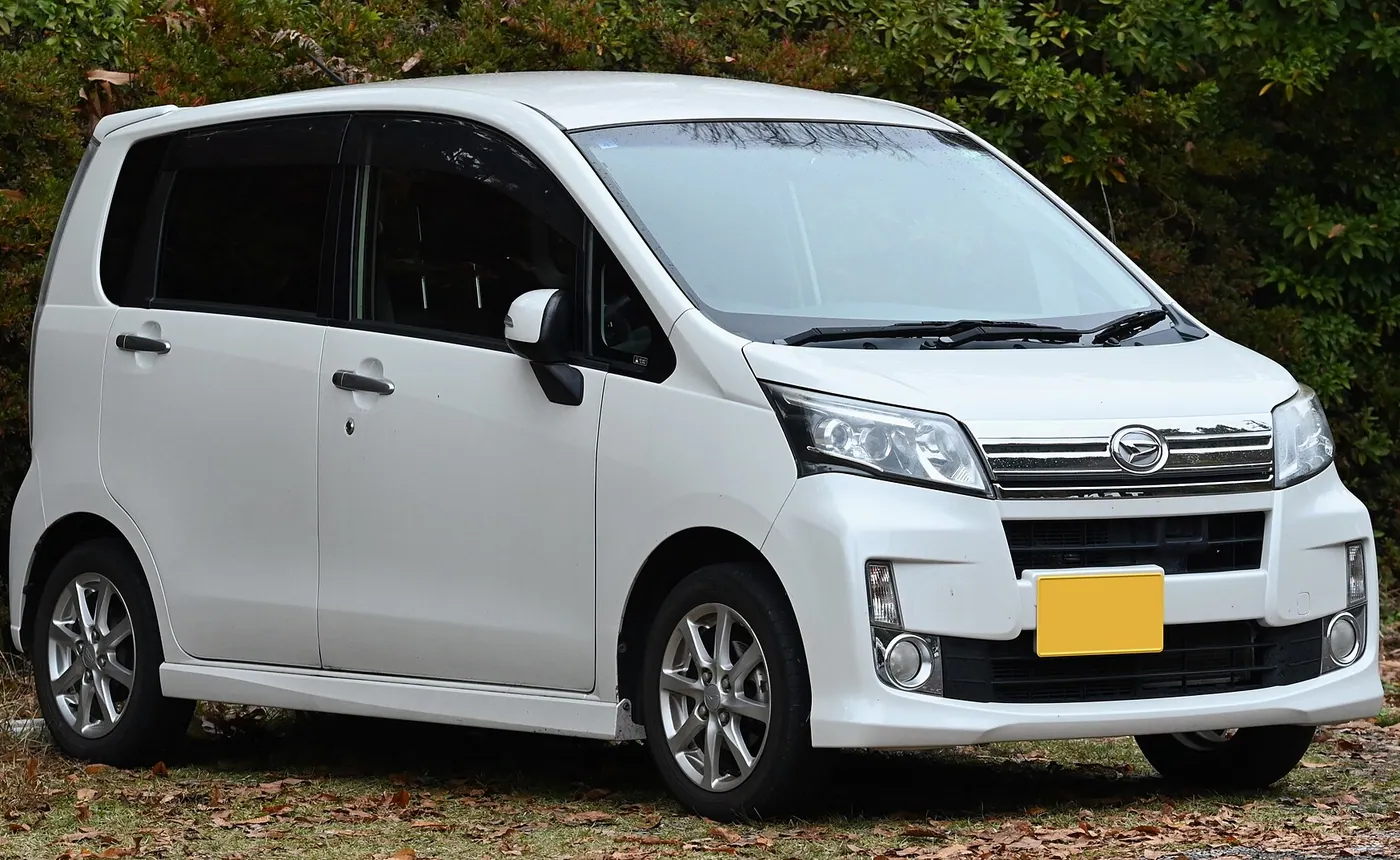
In short: In the three months to 19 September 2026, 14,839 Suzuki Wagon Rs sold at Japanese auctions at a median of €488, against 11,935 Daihatsu Moves at €533. The Suzuki Wagon R is the cheaper buy by about €46 at auction, before shipping, VAT, VRT and fees. Our verdict is at the end of this article.
In 1993, Suzuki launched a little car with an odd name and a very tall roof. The Wagon R was barely bigger than an Alto on the outside, but it let four adults sit upright with real headroom, and Japan bought it in enormous numbers. Daihatsu answered in 1995 with the Move. Three decades on, both names are still on sale and both still fill the lanes at Japanese auctions.
They are now overshadowed at home by even taller kei cars with sliding doors, but that is part of their appeal for an Irish buyer. They are lighter, simpler and usually cheaper than those bigger boxes, and they feel more like small cars than small vans. Hinged rear doors have fewer motors to fail.
The specs
| Suzuki Wagon R | Daihatsu Move | |
|---|---|---|
| Generation most imported | 6th gen (MH55S), 2017 on | 6th gen (LA150S), 2014–2023 |
| Engine | 658 cc three-cylinder, mild hybrid | 658 cc three-cylinder, turbo optional |
| Power | 49 PS (64 PS turbo) | 52 PS (64 PS turbo) |
| Gearbox | CVT | CVT |
| Drive | Front, or 4WD | Front, or 4WD |
| Seats | 4 | 4 |
| Doors | Hinged rear doors | Hinged rear doors |
| Length | 3,395 mm | 3,395 mm |
| Sportier version | Stingray | Custom |
| Import duty to Ireland | 0% possible (Japan-built, with proof of origin) | 0% possible (Japan-built, with proof of origin) |
Two old rivals
The kei class sets the rules: no more than 3.4 metres long, 1.48 metres wide and 660 cc. Within those limits, the Wagon R and Move have spent thirty years trading ideas. Suzuki tends to chase lightness and economy. Daihatsu tends to chase solidity and equipment.
The sixth-generation Move arrived in 2014 with a stiffer body and a big push on ride quality, and a 2017 update brought Smart Assist III, a camera-based safety system. The sixth-generation Wagon R followed in 2017, with mild-hybrid assistance on most versions and a head-up display on higher grades, an unusual feature in a car this small. Its sportier sibling, the Stingray, carries the turbo engine and a bolder face; the Move's equivalent is the Custom.
The Wagon R
Suzuki's mild-hybrid system pairs a small lithium-ion battery with a motor generator that helps the engine pull away and lets it shut off as the car coasts to a stop. It cannot drive the car on electricity alone for any distance, but it makes the car notably economical, and the restart after each stop is smoother than a conventional starter motor would manage. The light kerb weight helps the small engine feel lively, and around town the Wagon R darts through gaps with real eagerness.
The cabin is simple and well thought out, with plenty of storage and small, practical touches such as holders for wet umbrellas in the rear doors. Plastics are hard, but nothing feels flimsy.
The Move
Daihatsu's Move feels a touch more substantial. The body is stiffer, the ride more grown up on rough roads, and the cabin quieter at speed. On a pockmarked regional road it settles more quickly after a bump than the Suzuki does.
The Custom grades, with chrome grilles and LED headlights, are common at auction and look smart. The turbo engine transforms the car on hills and dual carriageways, and it is the version to find for anyone who leaves town regularly.
Living with one in Ireland
Neither car is built for long motorway runs, though turbo versions cope well enough at 120 km/h. Both are light and narrow, so a strong crosswind on an exposed road will be felt through the wheel. In town and on regional roads they are frugal, easy to park and astonishingly roomy inside for their footprint.
Running costs are small. Low CO2 output keeps VRT and motor tax at the bottom of the scale, and parts are inexpensive. Both register and pass the NCT like any other car.
Reliability and what to check at auction
Both have good records. Turbo engines need regular oil changes, so look for evidence of servicing and avoid cars with vague histories. CVTs should be smooth from rest; any auction note about transmission noise or judder is a reason to look elsewhere. On the Wagon R, the stop-start system relies on its batteries, and a car whose engine no longer shuts off at a stop may simply need a new one.
Rust is rarely a problem on kei cars from central and southern Japan, but cars from Hokkaido and the snowy north deserve a closer look at sills, rear arches and the subframe. With so many on offer, aim for grade 4 or better with an interior grade of B, and favour Move cars from the 2017 update for the better safety system.
The verdict
If economy and lightness are the priority, the Wagon R's mild hybrid gives it the edge, and it is the more cheerful car to drive in town.
If you want a more solid, comfortable feel, a quieter cabin and stronger safety equipment on later cars, the Move is the better buy, especially as a turbo Custom. Both are excellent second cars and very sensible first cars for drivers who spend most of their time off the motorway.
Frequently asked questions
What is a kei car?
A Japanese category of small cars limited to 3.4 m long, 1.48 m wide and 660 cc engines, which pay lower taxes in Japan.
Is the Suzuki Wagon R a hybrid?
Most later models use a mild-hybrid system that assists the engine. It cannot drive on electric power alone for any distance.
Which is better for longer drives?
A turbo version of either. The Move feels slightly more settled at speed.
What is the difference between a Wagon R and a Wagon R Stingray?
The Stingray is the sportier-looking version with a bolder front end, and it is where the turbo engine is usually found.
Keep reading
- Toyota Voxy vs Toyota Noah: Twins With Different Faces, and Why It Still Matters
- Nissan Note e-Power vs Honda Fit: Two Clever Small Cars That Went Their Own Way
- Toyota Vitz vs Mazda Demio: The Sensible Choice Meets the Stylish One
- Toyota Alphard vs Honda Odyssey: The Limousine Van Meets the Driver's MPV
- Volkswagen Polo vs Audi A1: Same Bones, Different Suit, and a Choice About What You Pay For
Photo credits
- Suzuki Wagon R: Photo: TTTNIS / Wikimedia Commons, CC0
- Daihatsu Move: Photo: TTTNIS / Wikimedia Commons, CC0