
Volkswagen Polo vs Audi A1: Same Bones, Different Suit, and a Choice About What You Pay For
Japan's right-hand-drive Polos and A1s share a platform, an engine and a gearbox. The question is how much the Audi's cabin and badge are worth to you.
By the Japan to Ireland editors · · 4 min read
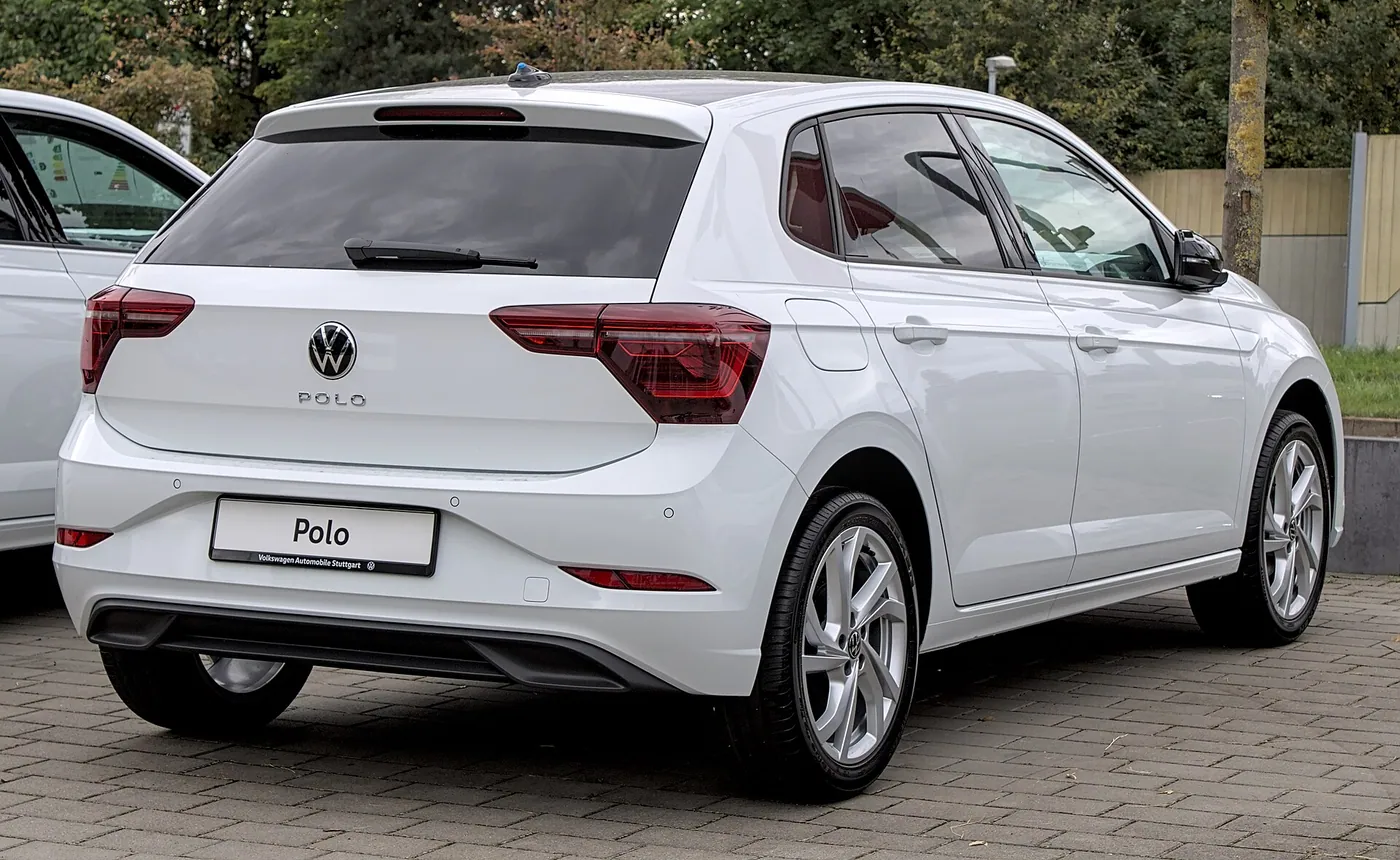
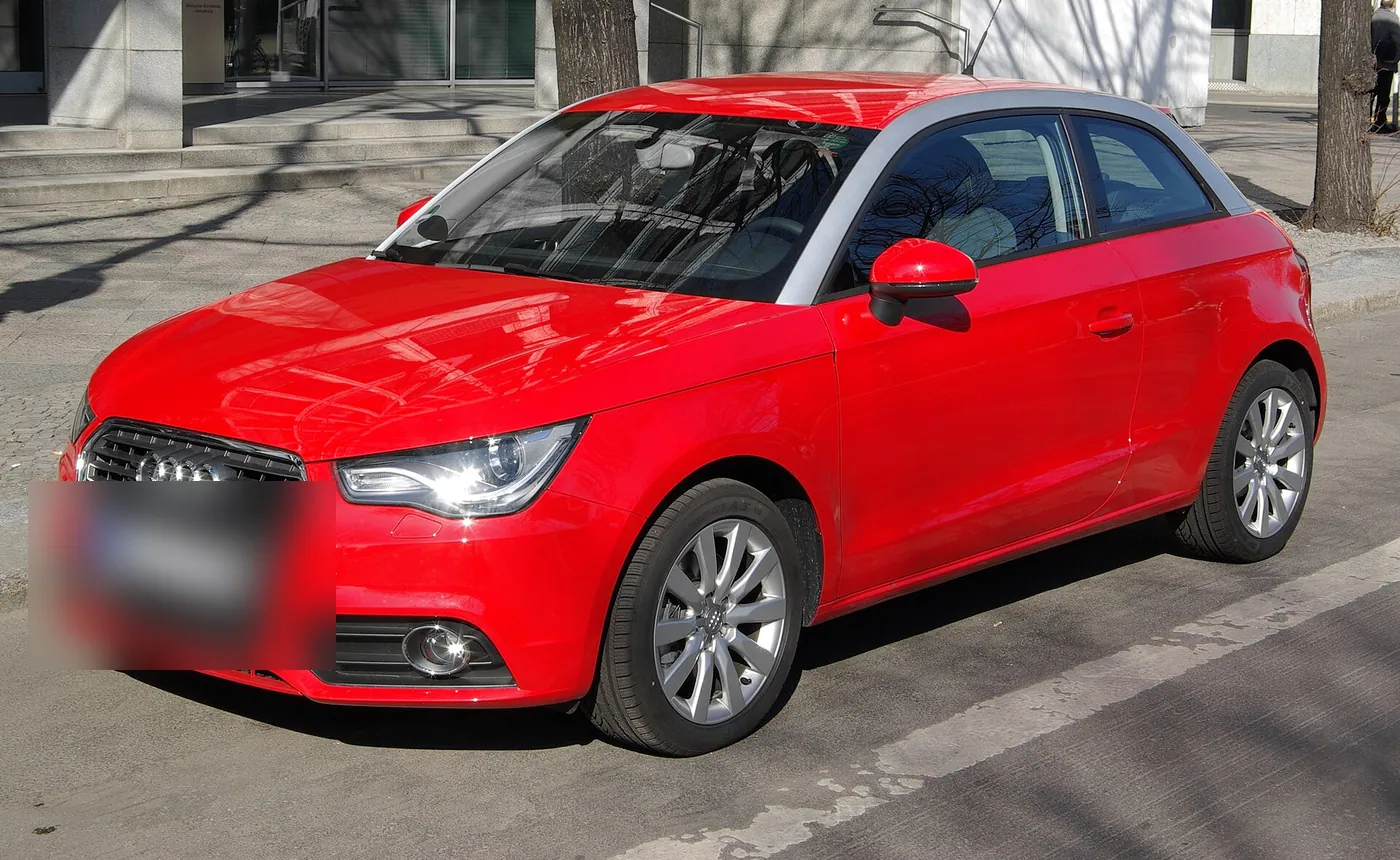
In short: In the three months to 19 September 2026, 2,277 Volkswagen Polos sold at Japanese auctions at a median of €2,724, against 308 Audi A1s at €4,416. The Volkswagen Polo is the cheaper buy by about €1,692 at auction, before shipping, VAT, VRT and fees. Our verdict is at the end of this article.
Japan has a quiet appetite for small European cars. In the leafy suburbs of Tokyo and Yokohama, a Volkswagen Polo or an Audi A1 is a statement of taste rather than wealth: a compact car for narrow streets that does not look like every other compact car on those streets. They are bought new, serviced at the dealer, driven gently and then sold through Japanese auctions with right-hand drive and, very often, remarkably low mileage.
The two cars are siblings. The current Polo and the second-generation A1 both sit on the Volkswagen Group's MQB A0 platform, and the most common Japanese-market versions use the same 1.0-litre three-cylinder turbo engine with a seven-speed dual-clutch gearbox. The older Polo (6R) and first A1 (8X) were also built from a shared kit of parts.
For an Irish buyer, then, this is not really a contest of engineering. It is a contest of finish, image and value, and that makes it a more interesting decision than it first appears.
The specs
| Volkswagen Polo | Audi A1 | |
|---|---|---|
| Generation most imported | 6th gen (AW), 2018 on; 5th gen (6R) also common | 2nd gen (GB), 2019 on; 1st gen (8X) also common |
| Engine (newer cars) | 1.0 three-cylinder turbo petrol | 1.0 three-cylinder or 1.5 four-cylinder turbo petrol |
| Gearbox | 7-speed DSG dual-clutch | 7-speed S tronic dual-clutch |
| Drive | Front | Front |
| Body | 5-door hatchback | 5-door Sportback |
| Seats | 5 | 5 |
| Length (approx.) | 4,060 mm | 4,040 mm |
| Platform | MQB A0 | MQB A0 |
| Import duty to Ireland | 10% (not built in Japan) | 10% (not built in Japan) |
Two badges, one family
The Polo has been Volkswagen's small car since the 1970s, and the sixth generation, launched in 2017, grew to the point where it is roughly the size of a Golf from the early 2000s. It is sober, well built and deliberately unflashy. In Japan most cars are TSI Comfortline or Highline grades, with the 2.0-litre GTI as a rarer, quicker outlier.
The A1 arrived in 2010 as Audi's attempt to sell premium values in a small box. The second generation, sold in Japan from 2019, dropped the three-door body and became a five-door Sportback only. It is a little shorter than the Polo, sits lower and wears a sharper, more aggressive face. Japanese grades usually run from the 1.0-litre 25 TFSI to the 1.5-litre 35 TFSI, with S line trim common on the latter.
How they drive
The Polo is the gentler of the two. Its suspension is tuned for comfort, its steering is light and accurate, and on a pockmarked regional road it absorbs more than you expect a car this size to absorb. The three-cylinder engine is willing and quiet once warm, with a faint thrum at idle that most owners stop hearing within a week.
The A1 feels tighter. The suspension, especially on S line cars with larger wheels, is firmer, and there is more feedback through the wheel. It is the more satisfying car on a dry back road and the less forgiving one over potholes. The 1.5-litre version is the one to have if you do much motorway work: it pulls more easily at 120 km/h and feels less busy on the M50.
Both dual-clutch gearboxes are smooth on the move and slightly hesitant when creeping in traffic. That is the nature of the design, not a fault.
Inside and practicality
The A1's cabin is where the extra money goes. A wide, angular dashboard, a digital instrument display on most Japanese grades and better materials on the surfaces you touch. It feels like a small Audi rather than a dressed-up Volkswagen.
The Polo is plainer but better packaged for families. The rear seat has a little more headroom, the boot is slightly larger and the view out is better. Neither car is a genuine four-adult cruiser, but both will carry two children and a week's shopping without complaint.
Running costs and reliability
These are small, light, efficient petrol cars, and they sit in low CO2 bands for motor tax and VRT. Servicing is straightforward, parts are shared with countless Volkswagen Group cars already in Ireland, and any independent specialist will know them well.
The point to understand is the seven-speed dry-clutch dual-clutch gearbox. It is generally reliable in light use, but it can develop a judder when pulling away, and the control unit (the mechatronic unit) is the expensive part when things do go wrong. Regular gearbox servicing matters. Timing belts on the 1.0-litre engine also have a schedule worth checking in the service book.
What to check at auction
Japanese cars of this type tend to come with full dealer service records, and the auction sheet will often note them. Grade 4 and above is plentiful, so there is little reason to settle for less. Look at the sheet for kerbed alloys and bumper scuffs, which are common on cars used in tight city car parks.
Rust is rarely a problem. Both bodies are galvanised and most cars have never seen salted roads, though cars from northern Japan deserve an underbody photograph. Ask about any gearbox warning messages, and avoid cars with obvious aftermarket lowering, which is more common on A1s than Polos.
The verdict
Buy the Polo if you want a small, comfortable, sensible hatchback that will ride well on Irish roads and cost less to buy. It is the better all-rounder and the more practical family runabout.
Buy the A1 if the cabin and the drive matter more to you than the last bit of rear space, and look for a 1.5-litre 35 TFSI if your week includes motorway miles. It is a Polo with better clothes and a sharper edge, and for some drivers that is exactly the point.
Frequently asked questions
Are the Polo and A1 the same car underneath?
The current versions share the MQB A0 platform, engines and gearboxes. The A1 has its own body, interior and suspension tuning.
Is the DSG gearbox a worry?
The seven-speed dry-clutch unit is fine for most drivers but can judder with age. Service history and a test of pulling away are worth checking.
Which is better for a family?
The Polo, slightly. It has a bit more rear headroom and boot space and a softer ride.
Keep reading
- Volkswagen Golf vs BMW 1 Series: Europe's Benchmark Hatchbacks, by Way of Japan
- Toyota Spade vs Toyota Porte: The Same Clever Car Wearing Two Different Faces
- Lexus RX vs Volvo XC60: Two Quiet Premium SUVs, One Japanese and One Swedish
- Subaru Levorg vs Mazda Atenza Wagon: Two Estate Cars Built by Japanese Engineers Who Still Care
- Suzuki Jimny Sierra vs Suzuki Escudo: The Little Mountain Goat and the Sensible Vitara
- Importing a Volkswagen Polo: prices and costs
Photo credits
- Volkswagen Polo: Photo: Alexander Migl / Wikimedia Commons, CC BY-SA 4.0
- Audi A1: Photo: Berthold Werner / Wikimedia Commons, CC BY-SA 3.0