
Toyota Probox vs Nissan AD Van: The Plain White Estates That Do Japan's Real Work
Built for sales reps, tradespeople and delivery rounds, these small commercial estates are tough, plain and cheap to keep. One of them gained a hybrid. The other stayed exactly as it was.
By the Japan to Ireland editors · · 4 min read
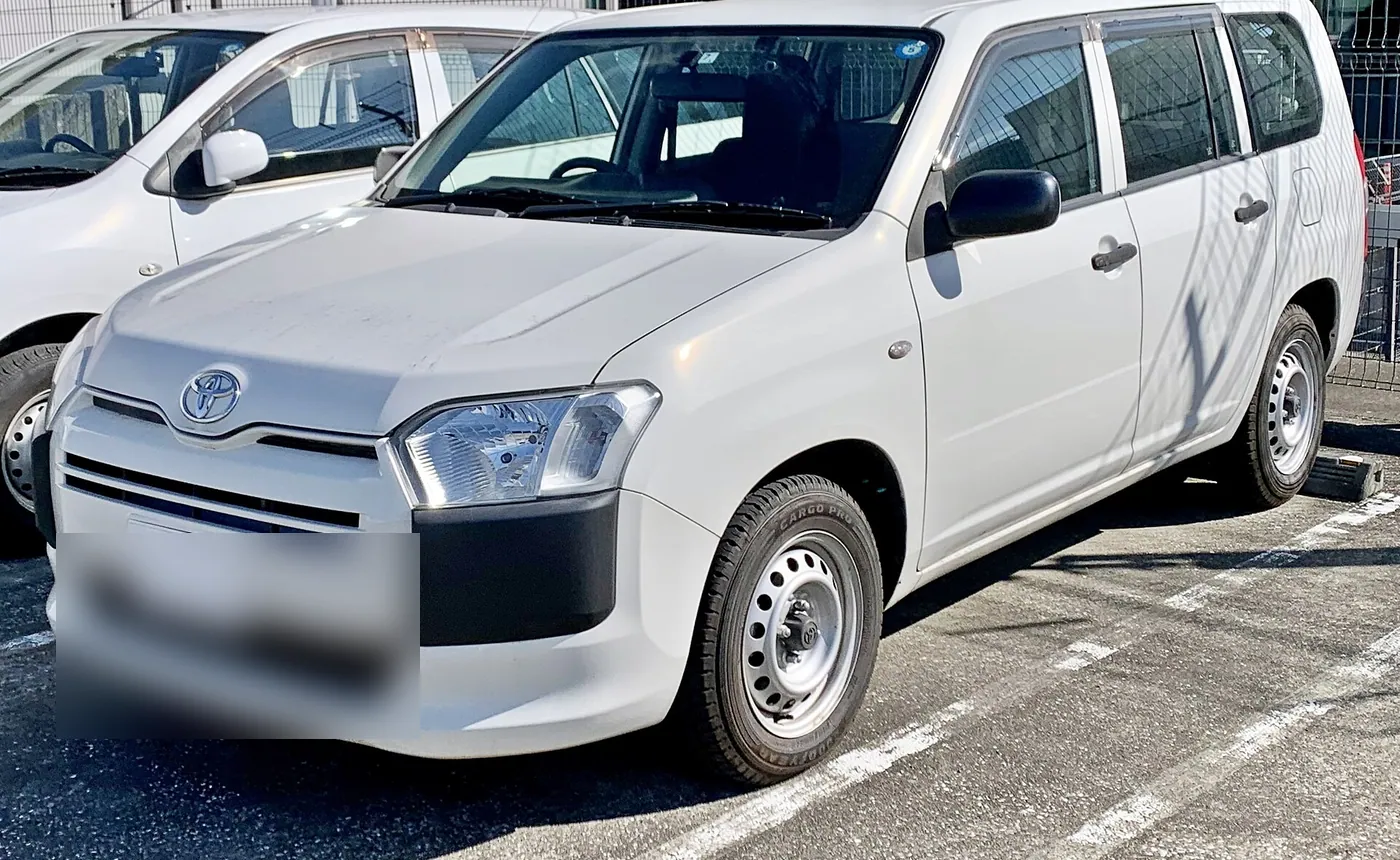
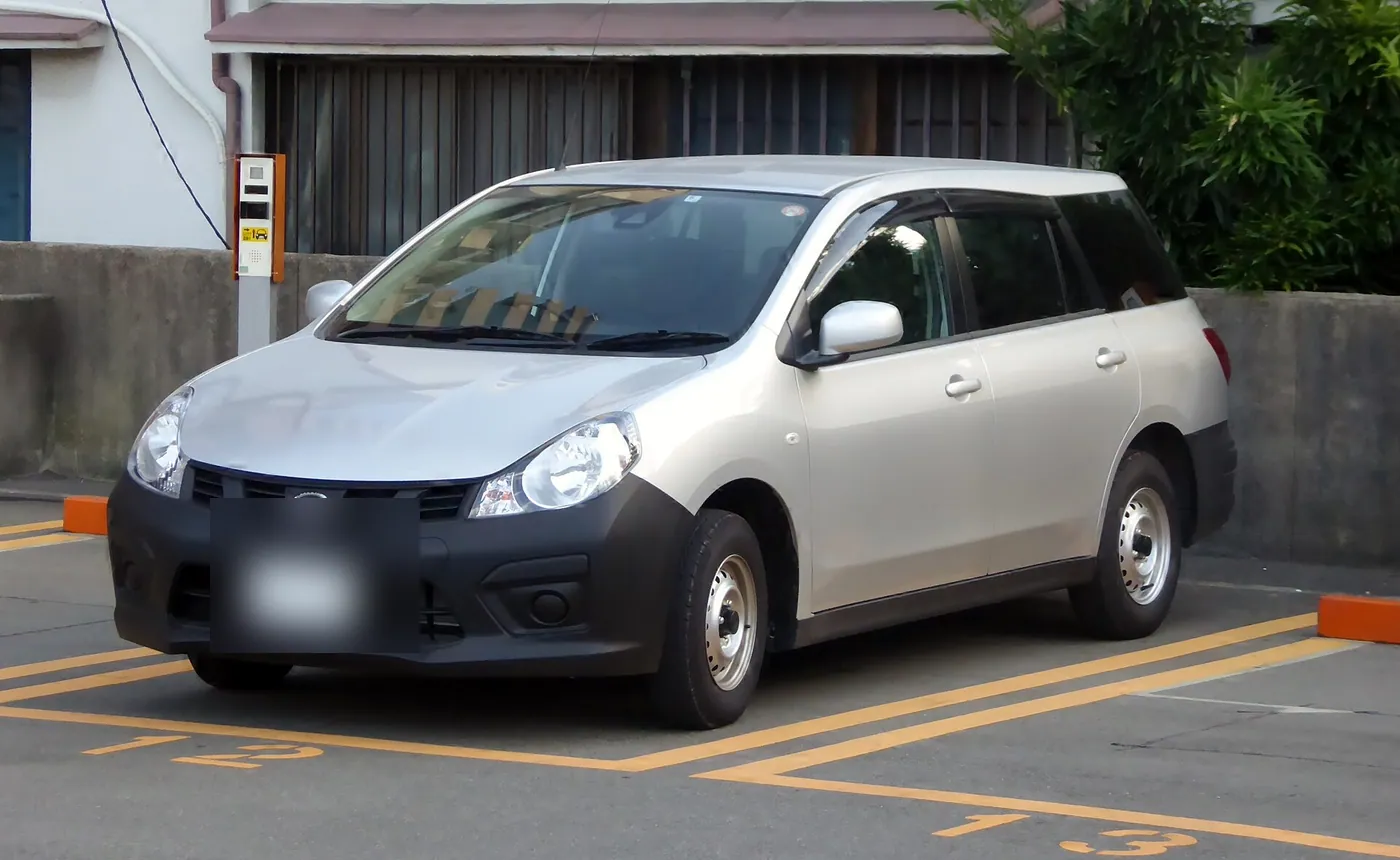
In short: In the three months to 19 September 2026, 7,066 Toyota Proboxs sold at Japanese auctions at a median of €3,269, against 3,717 Nissan AD Vans at €1,405. The Nissan AD Van is the cheaper buy by about €1,864 at auction, before shipping, VAT, VRT and fees. Our verdict is at the end of this article.
Stand outside a builders' merchant or a small factory in Japan for long enough and a white estate car will pull in beside you, steel wheels, ladder marks on the roof, a clipboard on the dash. More often than not it will be a Toyota Probox or a Nissan AD Van. These cars carry the country's small-business economy: samples to customers, tools to sites, paperwork between branch offices, day after day, for as little money as possible.
In Japan they are registered as commercial vans, with hard-wearing interiors, stiff rear springs and a load floor built for boxes rather than passengers. Nobody buys one for its looks. But they are engineered to survive hundreds of thousands of kilometres of neglect, and they come up at Japanese auctions in large numbers when fleets renew.
For an Irish tradesperson, a market trader or anyone who wants a cheap, honest load carrier that parks like a hatchback, they deserve a look. The details of how they are registered here matter, and so does knowing how to read a car that has worked for a living.
The specs
| Toyota Probox | Nissan AD Van | |
|---|---|---|
| Generation most imported | 2014 facelift on (NSP160/NCP160/NHP160) | Y12, 2006 on |
| Engine(s) | 1.3 or 1.5 petrol; 1.5 hybrid from 2018 | 1.5 or 1.6 petrol |
| Gearbox | CVT, or e-CVT (hybrid) | CVT, or 4-speed auto on some 4WD |
| Drive | Front, or 4WD | Front, or 4WD |
| Seats | 5 (2 with rear seat folded) | 5 (2 with rear seat folded) |
| Body | 5-door estate van | 5-door estate van |
| Related models | Toyota Succeed (merged in 2020) | Nissan Wingroad; Mazda Familia Van |
| Import duty to Ireland | 0% possible (Japan-built, with proof of origin) | 0% possible (Japan-built, with proof of origin) |
Two long careers
The Probox and its slightly larger twin, the Succeed, were launched in 2002. In 2014 Toyota gave both such a thorough overhaul, with a new nose, a new dashboard and revised engines, that many in the trade treat the facelift as a new model. The hybrid arrived in 2018, borrowing the 1.5-litre system from the Toyota Aqua, and in 2020 the Succeed was folded into the Probox range.
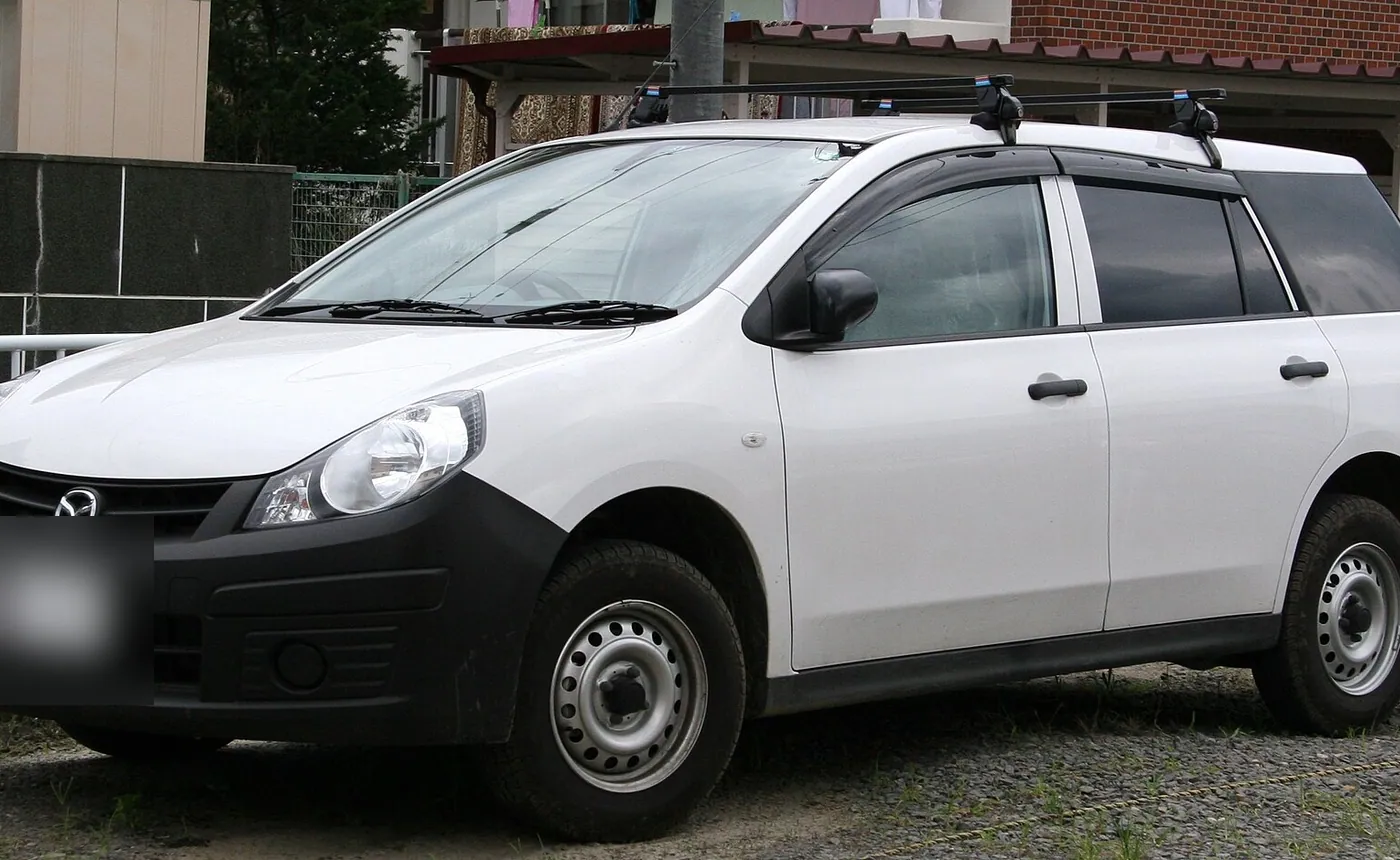
The Nissan AD Van in its Y12 form dates from 2006 and shared its platform with the Wingroad estate. It was also sold as the Mazda Familia Van. Over its long run Nissan updated the safety equipment and trim, but the basic car changed little, and that steadiness is part of its appeal to fleet buyers.
How they drive
The post-2014 Probox is the more modern-feeling car. The cabin is quieter, the CVT is smooth and the hybrid glides through town on electric power at low speed, which takes much of the strain out of urban deliveries. Empty, both cars ride firmly over potholes because the rear springs are set up for a load; with a few hundred kilos in the back they settle noticeably.
The AD Van shows its age. The engine is louder under load, the cabin lets in more road noise and the gearbox is less polished. It is still predictable and easy to place on a narrow road, and the four-wheel-drive version is a genuine help for anyone working on rural sites or farm lanes in winter.
Inside and practicality
The Probox is famous in Japan for its working cabin. A table folds out from the dashboard to hold a laptop or a lunch, there is storage sized for A4 folders, and a stack of pockets and cupholders sits within the driver's reach. The rear seat folds flat to turn it into a two-seater with a long, square load bay.
The AD Van offers the same basic layout with fewer clever touches. Its load bay is roomy and easy to clean, and its plastics shrug off scuffs, but it feels like an older office.
Running costs and reliability
Both are cheap to run, and the hybrid Probox is exceptionally frugal in stop-start work. Mechanically, both are built to be ignored. The engines and gearboxes are shared with many Toyota and Nissan passenger cars, so parts and know-how are easy to find in Ireland.
Registering them in Ireland
Whether either car can be registered here as a commercial vehicle depends on Revenue's criteria for that category, which usually means the rear seats removed and a load area that meets specific rules. If commercial registration matters to you, settle the question before you bid. Registered as a passenger car, the hybrid Probox's low CO2 output is a clear advantage.
What to check at auction
These are working vehicles, so read the auction sheet with care. Dents in the load area, scratched bumpers and a worn driver's seat are normal and cheap to live with. Accident repairs to the floor or pillars are not. High mileage is common, so look for consistent service history and an interior grade that matches the odometer.
Rust is the biggest risk on cars from snowy regions, especially four-wheel-drive examples, and it hides under the load floor and around the rear suspension mounts. On a hybrid Probox, ask about battery health; on an AD Van with the four-speed automatic, check for slurred or late shifts.
The verdict
Buy the Probox, and the hybrid if you can. It is more economical, more refined and simply better designed for the working day, and its 2014 overhaul makes it feel a decade younger than its name.
The AD Van is the budget option: a simple, robust load carrier for someone who needs space, not polish. A clean four-wheel-drive AD Van from southern Japan makes a sound rural workhorse.
Frequently asked questions
Can a Probox be registered as a van in Ireland?
Only if it meets Revenue's criteria for commercial vehicles, which usually means removing the rear seats. Confirm this before you buy.
Is there a hybrid Probox?
Yes. A 1.5-litre hybrid using the Toyota Aqua's system has been offered since 2018.
What happened to the Toyota Succeed?
It was a slightly larger twin of the Probox and was merged into the Probox range in 2020.
Which is more reliable?
Both are very durable. The Probox has the stronger reputation and the more modern design.
Keep reading
- Toyota Roomy vs Suzuki Solio: Two Tall Boxes That Carry More Than Their Size Allows
- Toyota Prius Alpha vs Toyota Wish: The Hybrid Estate and the Petrol MPV Japan Grew Up In
- Mitsubishi Delica D:5 vs Mazda Biante: The People Carrier That Climbs and the One That Glides
- Suzuki Hustler vs Daihatsu Taft: Two Tiny Crossovers That Dress for Adventure
- Toyota Estima vs Honda Elysion: The Big Family Carriers Japan Has Already Moved On From
Photo credits
- Toyota Probox: Photo: Benespit / Wikimedia Commons, CC BY-SA 4.0
- Nissan AD Van: Photo: Tokumeigakarinoaoshima / Wikimedia Commons, CC BY-SA 4.0
- Nissan AD Van: Photo: TTTNIS / Wikimedia Commons, Public domain