
Toyota Ractis vs Nissan Cube: The Sensible Box and the Box With a Personality
Two tall small cars built for Japanese towns, with big windows, light controls and more headroom than most family hatchbacks. One plays it straight. The other is a design object with a sofa inside.
By the Japan to Ireland editors · · 4 min read
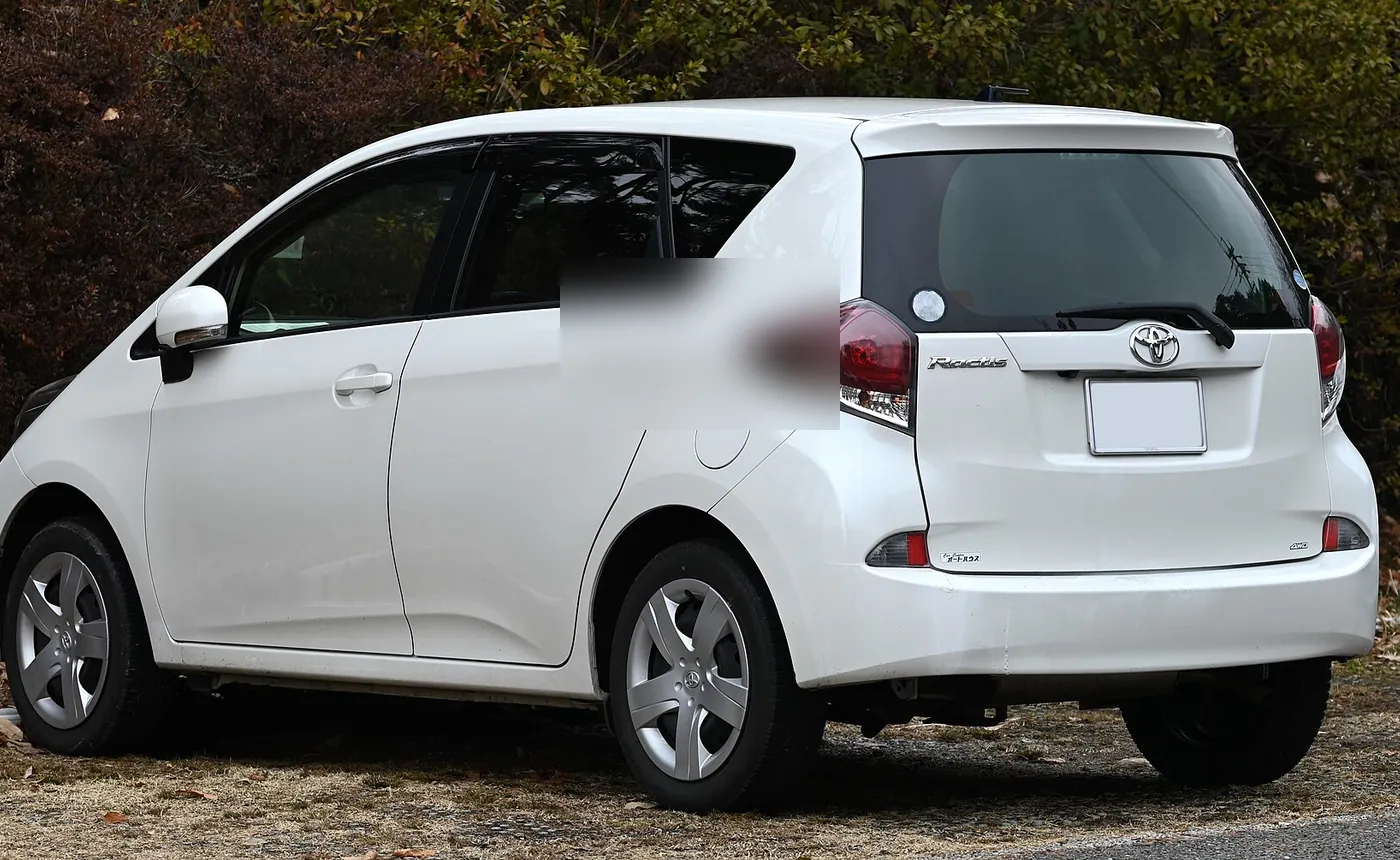
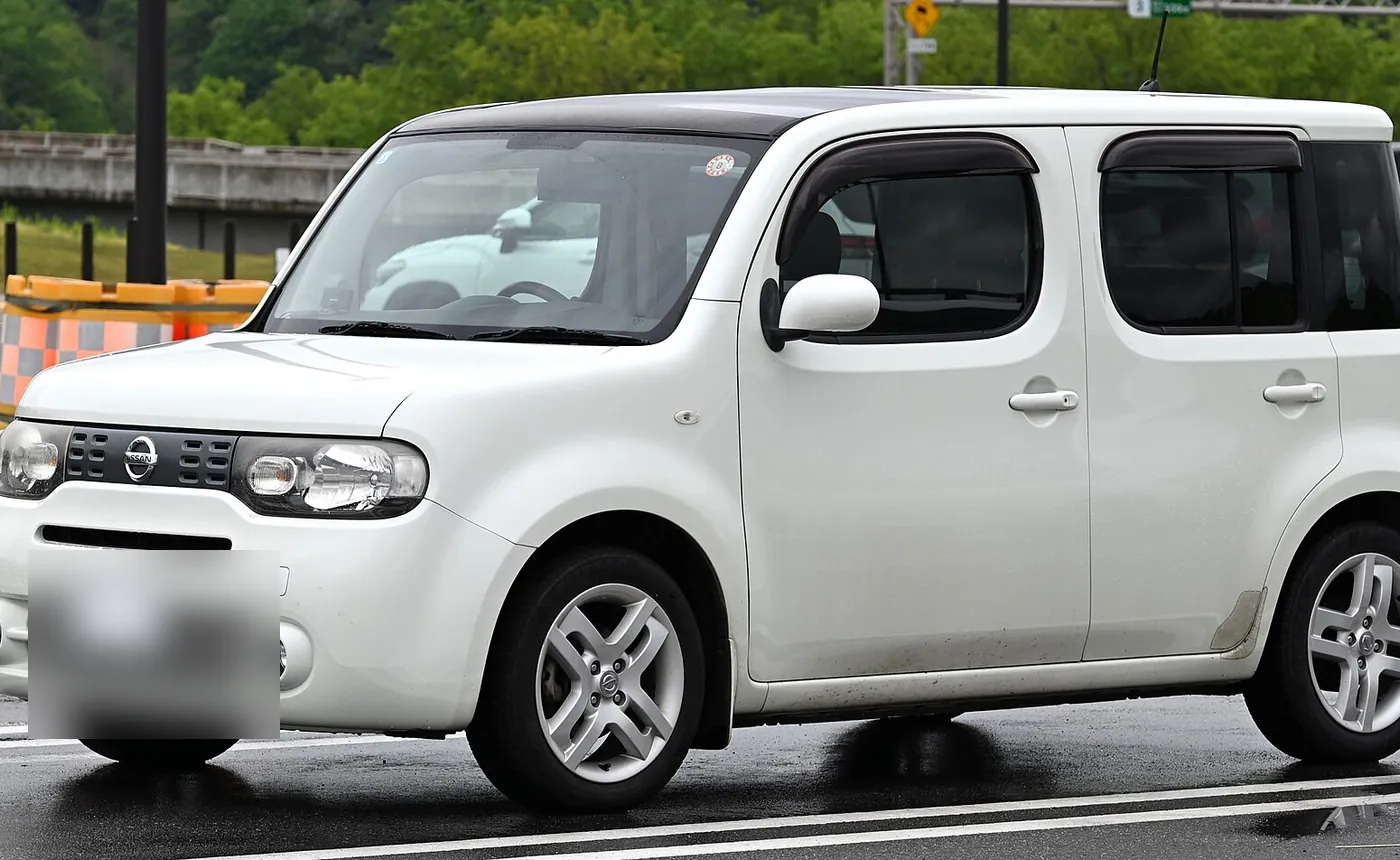
In short: In the three months to 19 September 2026, 4,308 Toyota Ractiss sold at Japanese auctions at a median of €1,256, against 3,423 Nissan Cubes at €585. The Nissan Cube is the cheaper buy by about €671 at auction, before shipping, VAT, VRT and fees. Our verdict is at the end of this article.
The tall small car was once a Japanese speciality. Narrow streets and tight parking spaces kept cars short, and designers found the room they needed by building upward. The result was a generation of compact hatchbacks that are not much longer than a Fiesta yet offer the headroom of a large estate.
The Toyota Ractis and the Nissan Cube are two of the best examples, and both remain plentiful at Japanese auctions. The second-generation Ractis, built from 2010 to 2016, was sold in Europe as the Verso-S, so its basic shape may be familiar to Irish eyes. The third-generation Cube, the Z12, ran in Japan from 2008 to 2019. It was briefly sold in Britain and parts of Europe, but it never caught on, which is a pity, because it is one of the most original small cars of its time.
They do the same job: carry four adults and their shopping in a car that is easy to park. They go about it in entirely different spirits.
The specs
| Toyota Ractis | Nissan Cube | |
|---|---|---|
| Generation most imported | 2nd gen (NCP120/NSP120), 2010–2016 | 3rd gen (Z12), 2008–2019 |
| Engines | 1.3 and 1.5 petrol | 1.5 petrol |
| Gearbox | CVT | CVT |
| Drive | Front, or 4WD on some 1.5 grades | Front, or 4WD on some grades |
| Seats | 5 | 5 |
| Tailgate | Conventional top-hinged | Side-hinged, opens like a fridge door |
| Sold in Europe as | Toyota Verso-S | Nissan Cube (briefly) |
| Import duty to Ireland | 0% possible (Japan-built, with proof of origin) | 0% possible (Japan-built, with proof of origin) |
Design and character
The Ractis is a conventional car with tall proportions. It has a short bonnet, a steeply raked windscreen and a large glass area, and it looks neat rather than distinctive. That restraint is deliberate. Toyota built it for buyers who wanted space and visibility without drawing attention.
The Cube is the opposite. Its asymmetric rear, with a wraparound window on one side only, its rounded corners and its side-hinged tailgate make it instantly recognisable. Inside, the dashboard is shaped like a swirl and the seats are soft, like a living-room couch. It is a car with a sense of humour, and it is built just as carefully as anything else in Nissan's range.
How they drive
Neither is fast, and neither pretends to be. The Ractis's 1.5-litre engine and CVT give it adequate pace for town and acceptable performance on a motorway, though the engine becomes loud when pushed. The 1.3-litre version is better suited to light urban use. The steering is light and the ride is reasonably comfortable, with a little more firmness than the Cube.
The Cube is softer. Its suspension is tuned for comfort, so it floats over speed bumps and potholes but leans in corners and feels unsettled in strong crosswinds. Its 1.5-litre engine is smooth and economical. The tall, square body means more wind noise above 100 km/h, and a long motorway journey is not its natural habitat.
Inside
Both are roomy for their size. The Ractis has a sliding rear seat on many versions, which lets you trade rear legroom for boot space, and the rear seats fold flat to create a long load area. Some higher grades had a large panoramic glass roof, which makes the cabin feel enormous.
The Cube's interior is more of a lounge. The rear bench slides too, and there is excellent headroom front and back. The side-hinged tailgate is handy in a car park where there is no room to stand behind a raised hatch, but it opens towards the kerb on the left side, which matters when loading from the road. The boot itself is smaller than the Ractis's with the seats in use.
Running costs and reliability
Both are cheap to run, with low CO2 figures that keep motor tax modest and real-world economy that suits a careful budget. Both are simple, well-proven designs.
The Ractis's engines are shared with dozens of other Toyotas and have an excellent reputation. The CVT is generally reliable if the fluid has been changed. The Cube's 1.5 engine is also robust, but its CVT, supplied by Jatco, can develop judder or whine as it ages, and many Irish garages have seen the same issue on other Nissans.
What to check at auction
For the Ractis, look for later cars from the 2014 facelift, which brought minor updates to equipment and styling, and check the sheet for interior wear and evidence of rental use. Four-wheel-drive versions come mostly from colder regions; check underneath for rust.
For the Cube, listen to the CVT on any available video and look for notes on transmission faults. Check the side-hinged tailgate for sagging or difficulty closing, and look closely at the soft interior fabrics, which can stain and wear. Later cars from the 2010s are generally in better shape.
The verdict
Buy the Toyota Ractis if you want a practical, reliable and inconspicuous small car with a flexible boot and the reassurance of Toyota's mechanical record. It is the sensible choice and the one most likely to give years of trouble-free service.
Buy the Nissan Cube if you want a car with character, comfortable seats and a cabin that feels like nothing else on Irish roads. Choose a well-kept example with a healthy CVT and it will make every short trip a little brighter.
Frequently asked questions
Is the Toyota Ractis the same as the Verso-S?
Yes. The second-generation Ractis was sold in Europe as the Toyota Verso-S, and in Japan there was also a Subaru version called the Trezia.
Why does the Nissan Cube have an odd rear end?
The asymmetric rear window and side-hinged tailgate were a deliberate design choice. The door opens sideways, which helps in tight parking spaces.
Which is more reliable?
Both are sound, but the Ractis has the edge. The Cube's CVT is its main weak point with age.
Keep reading
- Land Cruiser Prado vs Mitsubishi Pajero: Two Legends, One Still in Its Prime
- Toyota Estima vs Honda Elysion: The Big Family Carriers Japan Has Already Moved On From
- Toyota Corolla Cross vs Honda ZR-V: Two Nearly New Hybrid Crossovers, Two Temperaments
- Subaru Impreza Sport vs Mazda Axela Sport: The Grip Specialist and the Driver's Hatchback
- Toyota Spade vs Toyota Porte: The Same Clever Car Wearing Two Different Faces
Photo credits
- Toyota Ractis: Photo: TTTNIS / Wikimedia Commons, CC0
- Nissan Cube: Photo: TTTNIS / Wikimedia Commons, CC0