
Volkswagen Golf vs BMW 1 Series: Europe's Benchmark Hatchbacks, by Way of Japan
Japan buys German cars in right-hand drive, services them at main dealers and sells them on young. The Golf and the 1 Series are two of the most common, and they could hardly be more different.
By the Japan to Ireland editors · · 4 min read
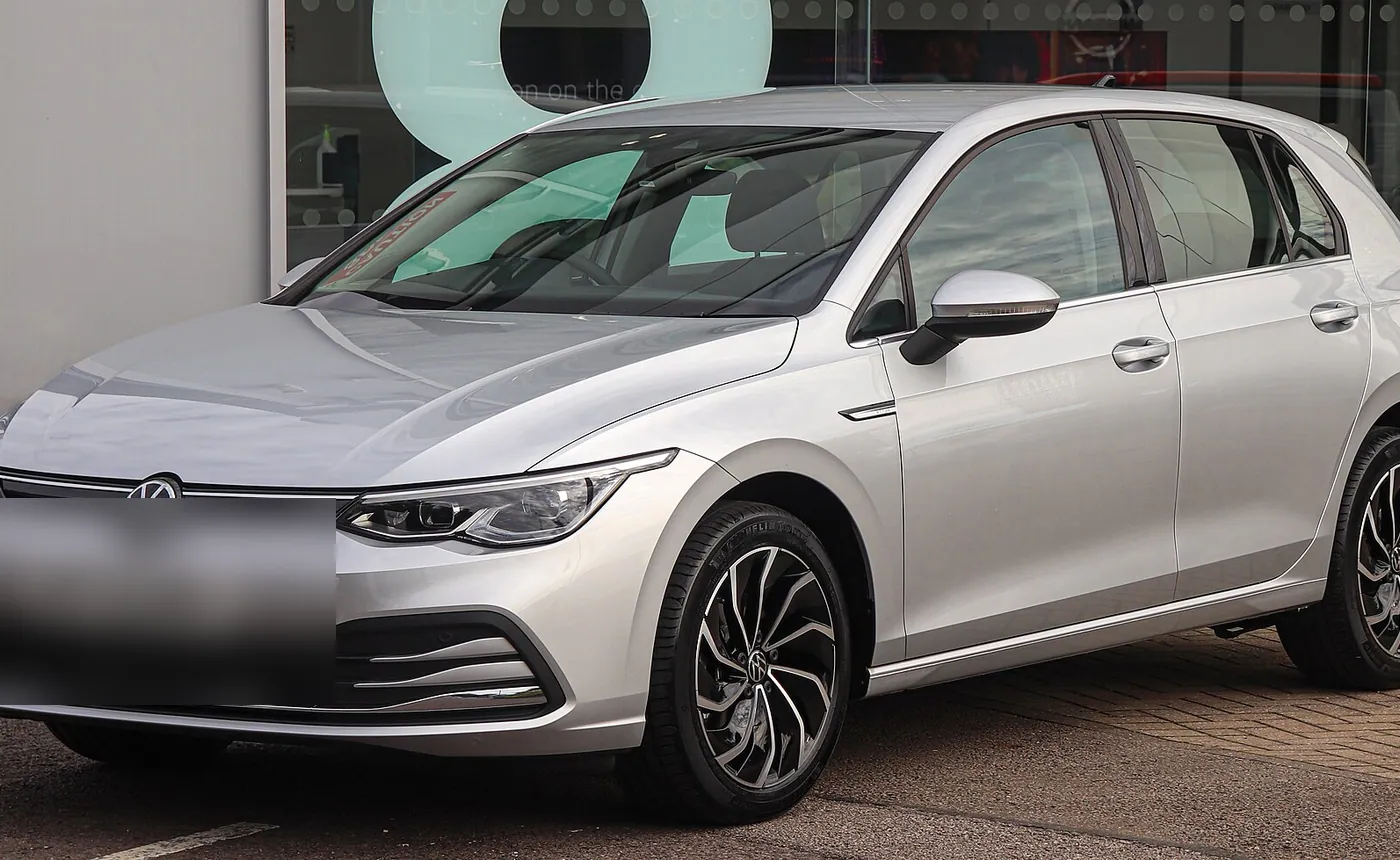
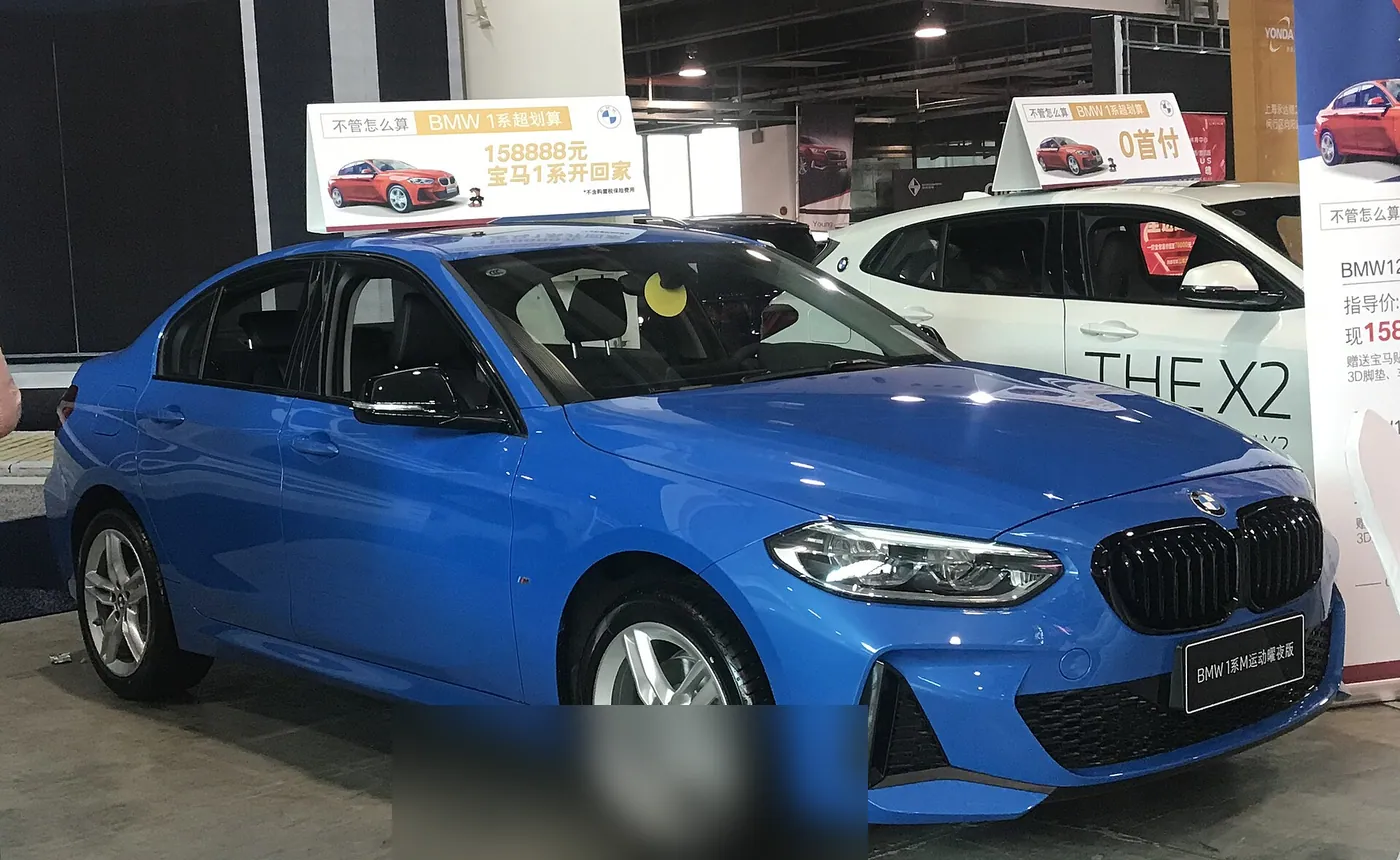
In short: In the three months to 19 September 2026, 2,761 Volkswagen Golfs sold at Japanese auctions at a median of €3,241, against 1,502 BMW 1 Seriess at €3,398. The Volkswagen Golf is the cheaper buy by about €158 at auction, before shipping, VAT, VRT and fees. Our verdict is at the end of this article.
Japan has a long and slightly surprising appetite for German cars. Volkswagens, BMWs and Mercedes-Benzes are a common sight in Tokyo and Osaka, and Japanese owners tend to treat them with care: low annual mileage, main-dealer servicing and strict inspections that push many cars back onto the market when they are still young. Because Japan drives on the left, these cars are built in right-hand drive, exactly as they would be for Ireland.
The Volkswagen Golf and the BMW 1 Series are among the most common European cars at Japanese auctions. The Golf most often found is the seventh generation, sold in Japan from 2013 until the Golf 8 arrived in 2021, and updated in 2017. The 1 Series is usually the F20, built from 2011 to 2019, the last generation of BMW's small hatchback to drive its rear wheels.
Both are well known in Ireland, which makes them easy to service and insure. But they were designed with very different priorities, and buying the wrong one for your needs is easy.
The specs
| Volkswagen Golf | BMW 1 Series | |
|---|---|---|
| Generation most imported | Golf 7, 2013–2021 | F20, 2011–2019 |
| Engines | 1.0, 1.2, 1.4 and 1.5 TSI petrol, 2.0 in GTI, 2.0 TDI from 2019 | 1.5, 1.6 and 2.0 turbo petrol, 2.0 diesel, 3.0 six in M135i/M140i |
| Gearbox | DSG dual-clutch | 8-speed automatic |
| Drive | Front | Rear |
| Seats | 5 | 5 |
| Length | 4,255 mm | 4,324 mm |
| Steering position | Right-hand drive | Right-hand drive |
| Import duty to Ireland | 10% (not built in Japan) | 10% (not built in Japan) |
Philosophy
The Golf is the benchmark family hatchback, and has been for decades. It is comfortable, refined, practical and solidly built, and it does almost everything well without drawing attention to any one quality. Japanese-market cars typically pair small turbocharged petrol engines with a DSG dual-clutch gearbox. The GTI is the exception, a fast and polished car that many consider the best all-round hot hatch of its era.
The 1 Series was BMW's attempt to bring rear-wheel drive to the small family car. Engines sit lengthways, the front wheels only steer and the weight distribution is close to even. That gives it a different feel from any front-wheel-drive rival. The price is space: a long bonnet and a drive shaft running down the middle eat into the cabin and boot.
How they drive
The Golf is calm, quiet and composed. The ride is supple, the steering accurate and the cabin well insulated from wind and tyre roar on a coarse Irish motorway surface. The DSG changes gear quickly when moving but can hesitate and jerk when creeping in traffic or reversing up a slope.
The 1 Series is the more engaging car. The steering is sharper and free of the tugging that front-wheel-drive cars can suffer under power, and the chassis feels balanced through a bend. The eight-speed automatic is smooth and well matched to the engines. The ride is firmer, particularly on run-flat tyres, which thump over potholes and broken edges. The six-cylinder M135i and M140i are very fast cars indeed.
Inside
The Golf 7's interior is a study in good design: clear, well built and logical, with soft-touch materials where your hands fall and a comfortable driving position for most body shapes. The rear seats take two adults easily, and the boot is a useful square shape.
The 1 Series has a high-quality, driver-focused cabin with BMW's iDrive controller, which is easy to use once learned. Rear legroom is tight for tall adults, the transmission tunnel intrudes on the middle seat and the boot is smaller than the Golf's. For a couple, it is fine. For a family, it is compromised.
Running costs and reliability
The Golf's small petrol engines are economical, and their CO2 figures keep motor tax low. The 1 Series is close with its smaller engines and much thirstier in six-cylinder form, which moves it into far higher tax bands.
Both have known faults. The seven-speed dry-clutch DSG used with smaller Golf engines can suffer mechatronic unit failures and clutch judder, and the plastic water pump and thermostat housing on the EA211 petrol engines is prone to leaks. On the 1 Series, the early 1.6-litre petrol engine had a record of timing chain trouble, oil leaks from gaskets are common as the cars age, and run-flat tyres are expensive to replace.
What to check at auction
For the Golf, look for full main-dealer service records, which many Japanese cars have, and any sheet note about gearbox warning lights. Facelifted cars from 2017 onward have updated engines and better infotainment.
For the 1 Series, look for evidence of oil leaks on the auction sheet, and favour later cars with the newer three and four-cylinder engines over the early 1.6. Check tyre type and condition. Performance models attract modifications, so look for aftermarket exhausts, lowered suspension and remapped engines.
The verdict
Buy the Volkswagen Golf if you want one car to do everything: commute, carry a family, cover long distances in comfort and cost little to run. It is the more practical and the more forgiving choice.
Buy the BMW 1 Series if you drive mostly alone or as a couple, enjoy driving for its own sake and value rear-wheel-drive balance over boot space. Choose a later four-cylinder car for daily use, or an M140i if you want something genuinely special.
Frequently asked questions
Are Japanese-market Golfs and BMWs right-hand drive?
Yes. Japan drives on the left, so European cars sold there are right-hand drive, like Irish cars.
Is the BMW 1 Series rear-wheel drive?
The F20 generation, built until 2019, is rear-wheel drive. The newer F40 that replaced it is front-wheel drive.
Which is more practical?
The Golf, with more rear space and a bigger, squarer boot.
Keep reading
- Toyota Spade vs Toyota Porte: The Same Clever Car Wearing Two Different Faces
- Subaru Impreza Sport vs Mazda Axela Sport: The Grip Specialist and the Driver's Hatchback
- Volkswagen Polo vs Audi A1: Same Bones, Different Suit, and a Choice About What You Pay For
- Lexus RX vs Volvo XC60: Two Quiet Premium SUVs, One Japanese and One Swedish
- Honda CR-V vs Mitsubishi Outlander: Two Japanese SUVs Built for Family Life
- Importing a Volkswagen Golf: prices and costs
- Importing a BMW 1 Series: prices and costs
Photo credits
- Volkswagen Golf: Photo: Vauxford / Wikimedia Commons, CC BY-SA 4.0
- BMW 1 Series: Photo: Jengtingchen / Wikimedia Commons, CC BY-SA 4.0