
Mazda Bongo Friendee: The Pop-Top Japanese Van That Became Ireland's Favourite Small Camper
Built for Japanese families heading to the mountains and the coast, the Bongo Friendee found a second life in Ireland and the UK as a compact camper. Its electric pop-up roof is the part everyone remembers.
By the Japan to Ireland editors · · 4 min read
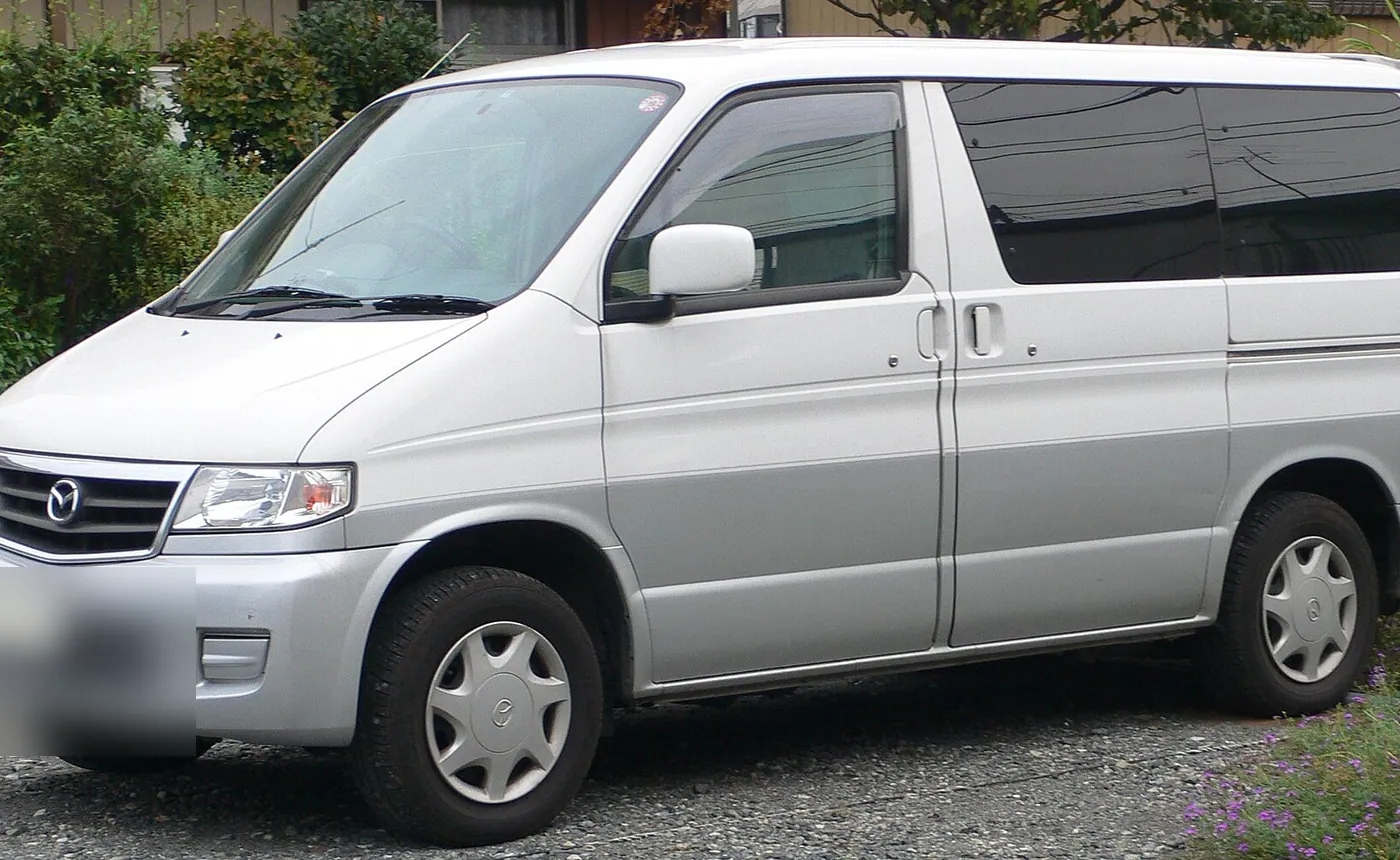
On a summer evening at a campsite in Kerry or on the Wild Atlantic Way, it is common to see a tall, rounded van with a canvas roof lifted above it like a small tent. Inside, two people are sleeping in the roof bed, while below the seats have been folded flat for more. That van, very often, is a Mazda Bongo Friendee.
It was never sold new in Ireland or the UK. Thousands arrived here and in Britain as used imports from Japan, and the Bongo has built a strong following as a compact camper. There are owners' clubs, specialists and a long-established trade in parts and conversions.
The specs
| Years built | 1995–2005 |
|---|---|
| Engine | 2.5-litre turbo diesel, 2.5-litre V6 petrol and 2.0-litre petrol |
| Power | Varied by engine |
| Gearbox | 4-speed automatic |
| Drive | Rear-wheel drive or four-wheel drive |
| Body styles | MPV, with or without the Auto Free Top roof |
| Signature feature | Auto Free Top electric pop-up roof |
| Twin | Ford Freda |
Why Mazda built it
The Bongo Friendee was launched in Japan in 1995. The economic boom of the 1980s had ended, but leisure travel had become part of Japanese family life. Families wanted a vehicle that could carry everyone in comfort, take them to ski resorts, beaches and campsites, and double as somewhere to sleep. The Friendee was designed for exactly that.
It was built on a dedicated platform with its engine set under the front seats, giving a long, flat floor and a big interior in a relatively compact vehicle. Ford, which had close links with Mazda at the time, sold its own version in Japan as the Freda.
Design and engineering
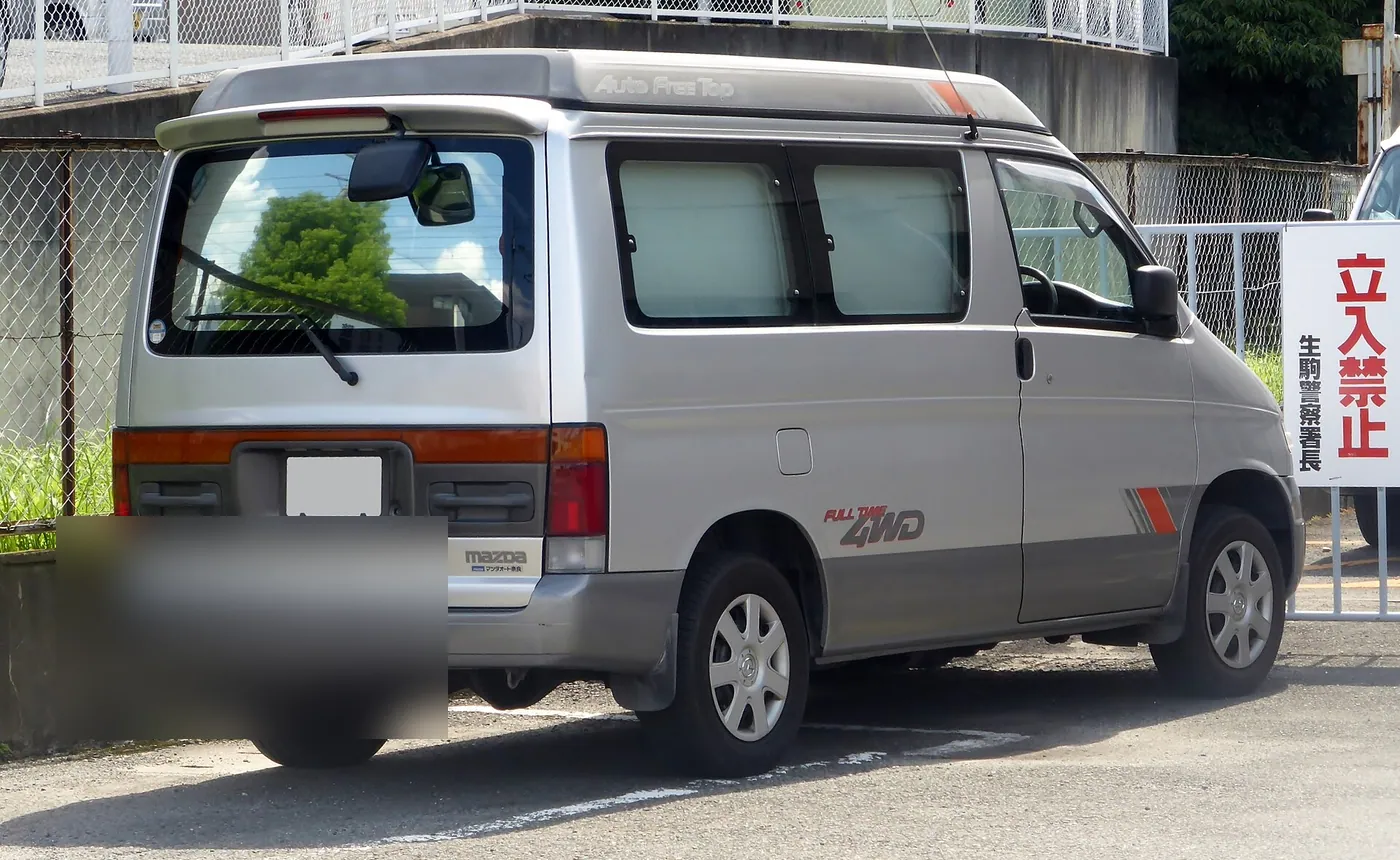
The Bongo's key feature is the Auto Free Top, an electrically raised pop-up roof that turns the van into a two-level camper. Press a switch and the roof lifts, revealing a canvas-sided upper section with a bed. Not every Bongo has it; versions with a fixed roof also exist, and the roof type makes a big difference to its appeal as a camper.
Inside, the seats can be folded and rearranged in several ways, including into a flat bed. There are up to eight seats depending on configuration. Engines included a 2.5-litre turbo diesel, a 2.5-litre V6 petrol and a 2.0-litre petrol, all with a four-speed automatic gearbox. Rear-wheel drive and four-wheel drive versions were offered. A facelift around 1999 brought revised styling and equipment.
How it drives today
A Bongo Friendee drives like a comfortable, high-roofed van. The driving position is upright and commanding, visibility is good, and the automatic gearbox makes it easy in traffic. The diesel is the most common engine and is adequate rather than quick; the V6 is smoother and faster but uses more fuel.
It is not a sporting vehicle. Crosswinds push it about on exposed roads, and the soft suspension lets it lean in corners. But for steady touring along the coast, through the midlands or across to France on the ferry, it is relaxed and capable. Four-wheel drive versions give extra confidence on wet grass at campsites and festivals.
Versions worth knowing
The Auto Free Top versions are the ones most campers want, and the specification of the roof bed and canvas varies. Many Bongos in Ireland and the UK have been converted with side kitchens, sinks, fridges and leisure batteries, which adds real usefulness. Some conversions are well engineered, while others are less so.
The four-wheel drive models are especially popular in Ireland. The 2.5-litre turbo diesel is the most common engine, while the V6 petrol is rarer and smoother.
What to check when buying in Japan
Rust is the main concern. Check the sills, wheel arches, floor, chassis rails, rear door bottom and the area around the windscreen. Many Bongos were used in snowy areas where roads are salted, and underside condition can vary enormously.
The turbo diesel engine has a known sensitivity to overheating, and a damaged cylinder head is an expensive repair. Check the coolant level and colour, look for signs of overheating, and ask about cooling system maintenance. Many owners fit extra cooling measures. The automatic gearbox should change smoothly.
Test the Auto Free Top roof fully: it should rise and fall smoothly, and the canvas should be free of tears, mould and leaks. Check that all seats fold as they should. Mileage should be backed by records where possible, as it can be uncertain on older imports. Make sure the export paperwork matches the chassis number.
Should you import one?
The Bongo Friendee suits a couple or small family who want a compact, practical camper for Irish holidays, festivals and weekends away, without the bulk of a large motorhome. Its following in Ireland and the UK means good support from specialists and owners.
Be clear about age. Only the earliest Bongos, from 1995 and 1996, are reaching 30 years old, and cars over 30 years old can qualify for Ireland's vintage treatment; most examples are younger and will be treated as ordinary used vehicles. Buy one with a solid underside, a healthy cooling system and a working roof, and it will open up a great deal of Ireland.
Frequently asked questions
What is the Auto Free Top?
It is an electrically raised pop-up roof with a bed and canvas sides, fitted to many Bongo Friendees and prized by campers.
Is the Bongo popular in Ireland?
Yes. It has a strong following in Ireland and the UK as a compact camper, with owners' clubs and specialists.
What should I watch for on the diesel engine?
Overheating. Check the cooling system carefully, as head damage is a costly repair.
Does every Bongo Friendee qualify as a vintage vehicle?
No. Only the earliest examples from 1995 and 1996 are reaching 30 years old.
More Japanese classics
Photo credits
- Photo: Mytho88 / Wikimedia Commons, CC BY-SA 3.0
- Photo: Tokumeigakarinoaoshima / Wikimedia Commons, CC0