
Japanese classics
90 cars from Japan's golden decades, the ones worth crossing the world for. Each long read covers the story, how it drives today, what to check at auction and how the 30-year vintage rules work in Ireland.
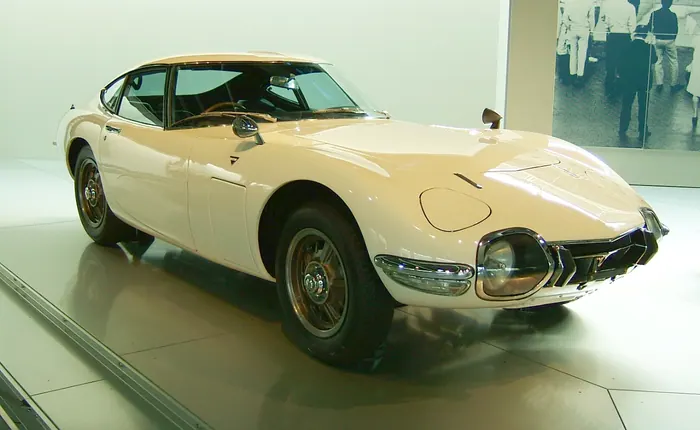 1967–1970
Toyota 2000GT
Built with Yamaha in tiny numbers between 1967 and 1970, the 2000GT is the rarest and most valuable Japanese classic of all. Here is the story, the engineering and what an Irish collector needs to know before chasing one.
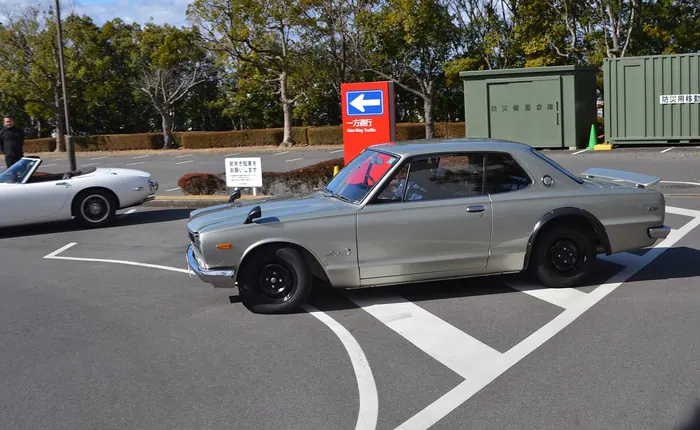 1969–1972
Nissan Skyline GT-R Hakosuka
The first Skyline GT-R carried a racing engine in a family-car body and won race after race. Genuine cars are rare and copies are everywhere, so here is what to know before you go looking.
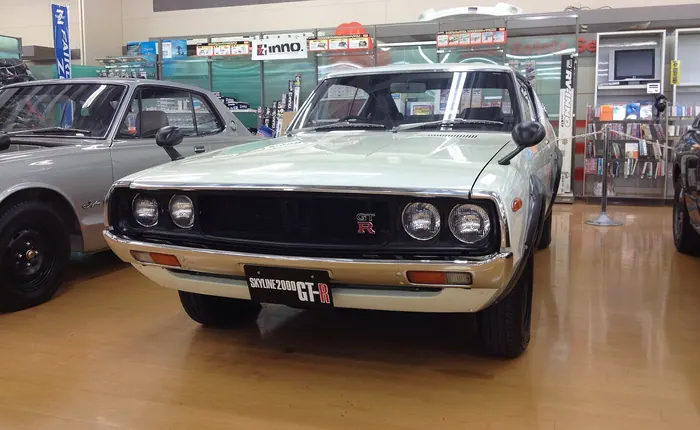 1973
Nissan Skyline GT-R Kenmeri
Launched in 1973 and killed within months by tighter emissions rules and an oil shock, the Kenmeri GT-R is one of the rarest Nissans ever sold. The more common C110 Skyline is the realistic way in.
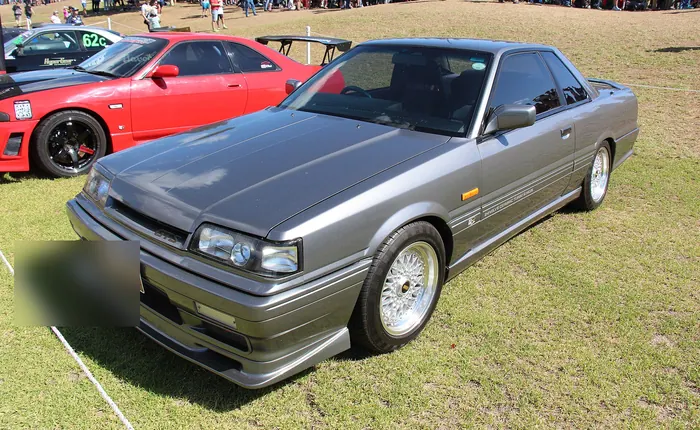 1985–1989
Nissan Skyline R31 GTS-R
Built in a run of around 800 cars in 1987 to qualify the Skyline for Group A racing, the GTS-R is the missing link between the 1970s GT-Rs and the R32. It is rare, angular and very 1980s.
 1989–1994
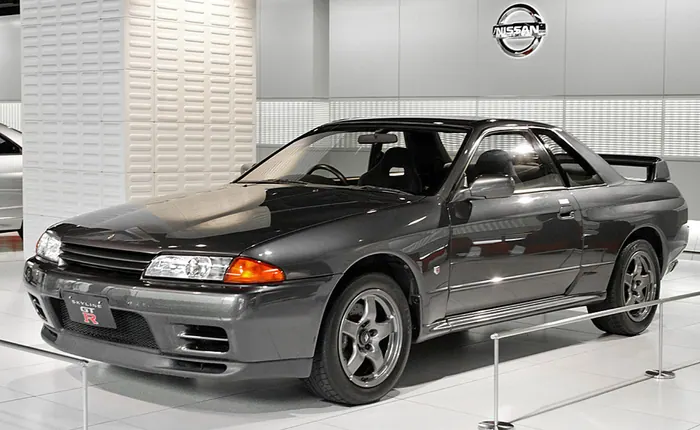
Nissan Skyline GT-R R32
The R32 brought the GT-R name back in 1989 with twin turbos, four-wheel drive and clever electronics. It dominated Japanese touring car racing and is now crossing the 30-year line for Irish buyers.
 1995–1998
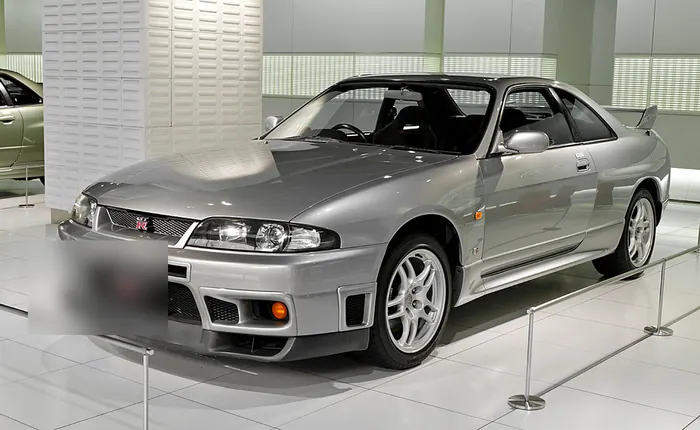
Nissan Skyline GT-R R33
Longer and heavier than the R32, the R33 GT-R was dismissed by some at launch and is now valued as the most usable of the classic GT-Rs. Here is what changed, what to look for and how it suits Irish roads.
 1969–1978
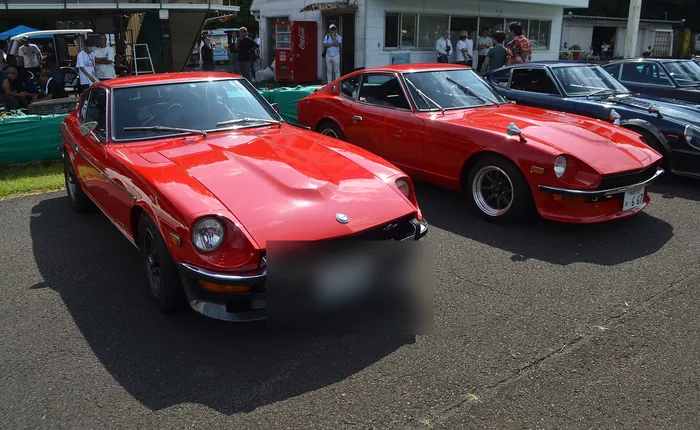
Datsun Fairlady Z (S30)
Launched in 1969, the first Fairlady Z gave buyers six cylinders, sleek looks and real performance at a price far below European rivals. Rust has claimed many, but a good one remains a joy.
 1983–1989
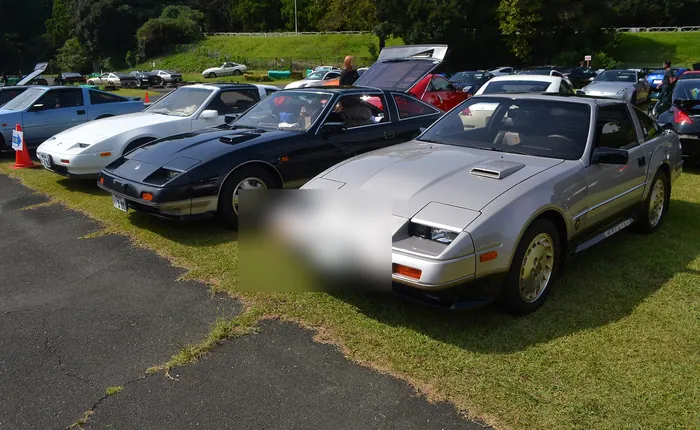
Nissan Fairlady Z (Z31)
The Z31 brought V6 power, digital-era styling and a T-top roof to the Fairlady Z. Long overlooked, it is now a characterful 1980s classic and a straightforward one to import.
 1989–2000
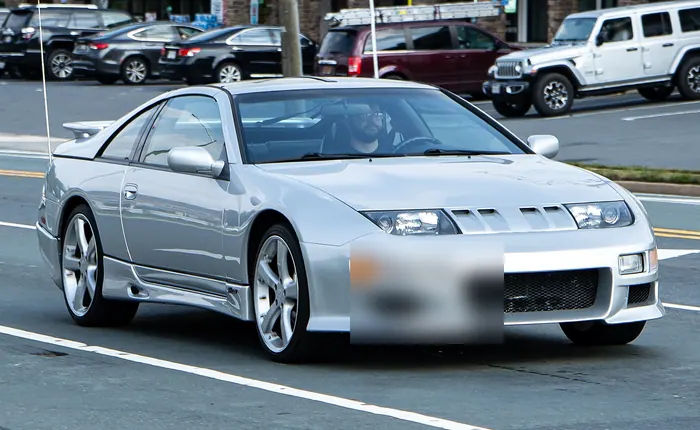
Nissan Fairlady Z (Z32)
The Z32 arrived in 1989 with a twin-turbo V6, four-wheel steering and styling that still looks modern. It is a brilliant road car, but its packed engine bay makes careful buying essential.
 1967–1970
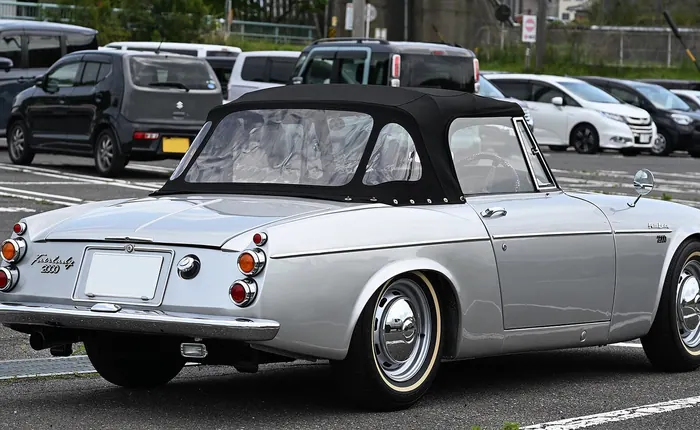
Datsun Fairlady Roadster (SR311)
The Fairlady 2000 roadster of the late 1960s combined a light body, a five-speed gearbox and a strong two-litre engine. It is a rare, charming and very usable entry into classic Japanese motoring.
 1965–1969
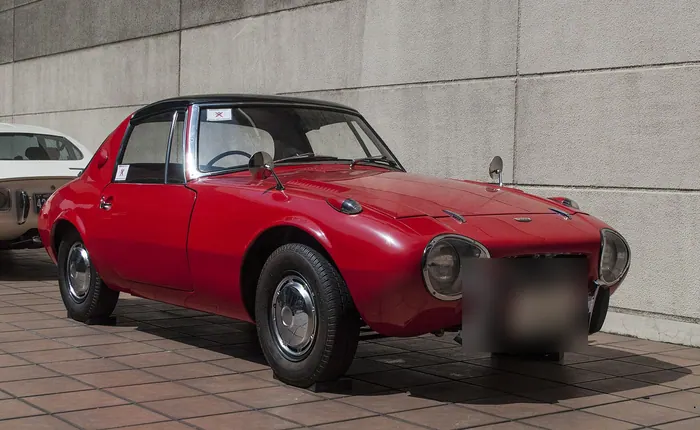
Toyota Sports 800
Built on the bones of a humble economy car, the little 'Yota-hachi' used light weight and clean air rather than power. Sixty years on, it is one of the rarest and most charming Toyotas you can bring home.
 1966–1970
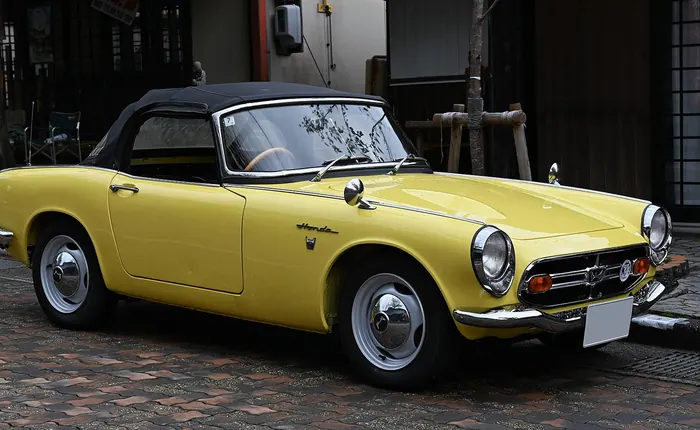
Honda S800
Honda's first cars were built by engineers who had conquered motorcycle racing, and it shows. The S800 was the most powerful of the little S roadsters and the one that finally gave them real pace.
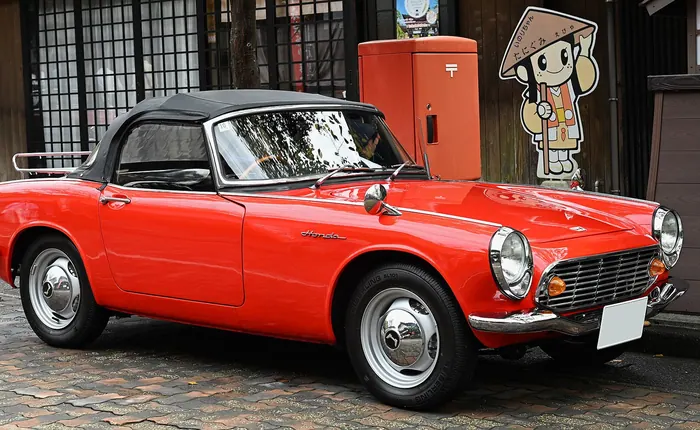 1964–1966
Honda S600
Honda's second car was a tiny, jewel-like roadster built by engineers who thought in motorcycle terms. Its chain-driven rear wheels and screaming 606 cc engine make it one of the most unusual sports cars ever sold.
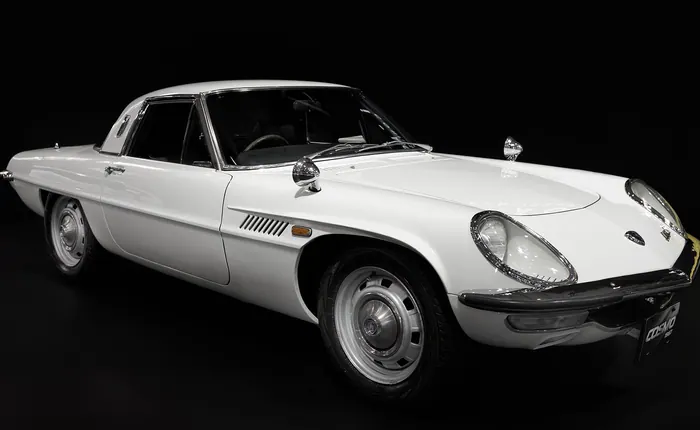 1967–1972
Mazda Cosmo Sport 110S
Mazda bet its future on an engine everyone else had given up on, and the Cosmo Sport was the proof that it worked. Fewer than 1,200 were built, and each one is a landmark.
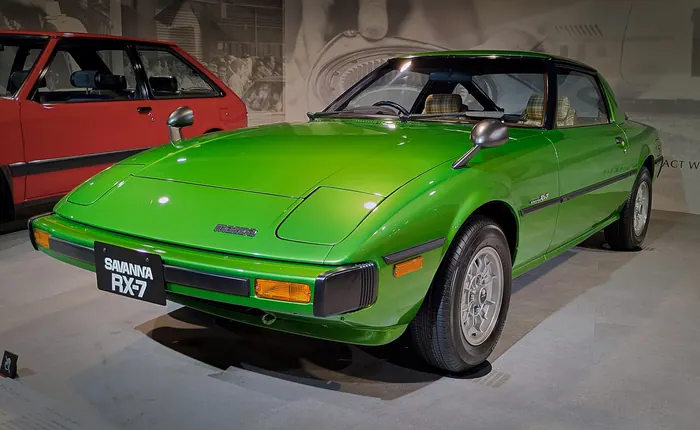 1978–1985
Mazda Savanna RX-7 (SA22C)
After the oil crisis nearly sank Mazda's rotary dream, the first RX-7 brought it back with a lightweight, balanced coupe that won at Spa and sold in huge numbers.
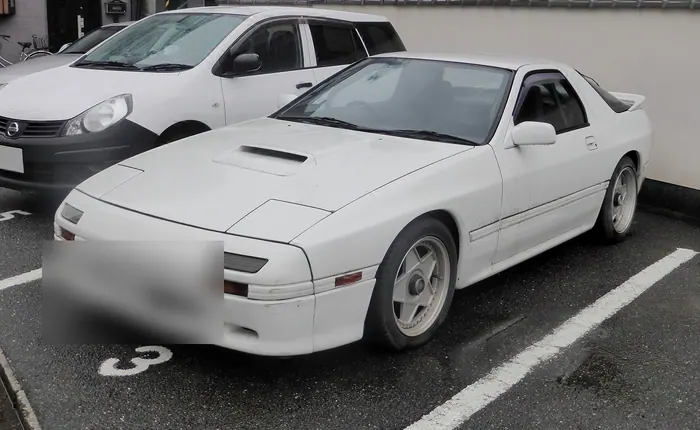 1985–1992
Mazda RX-7 (FC3S)
The second RX-7 traded the first car's simplicity for turbo power, clever rear suspension and real refinement. In Japan it was sold only with a turbo, and it remains the most underrated rotary of all.
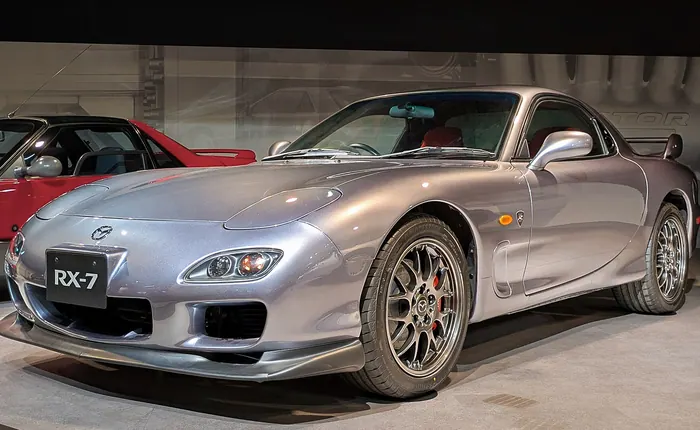 1991–2002
Mazda RX-7 (FD3S)
Launched as the bubble burst, the third RX-7 was light, sequentially turbocharged and stunning to look at. It is a car that rewards care and punishes neglect.
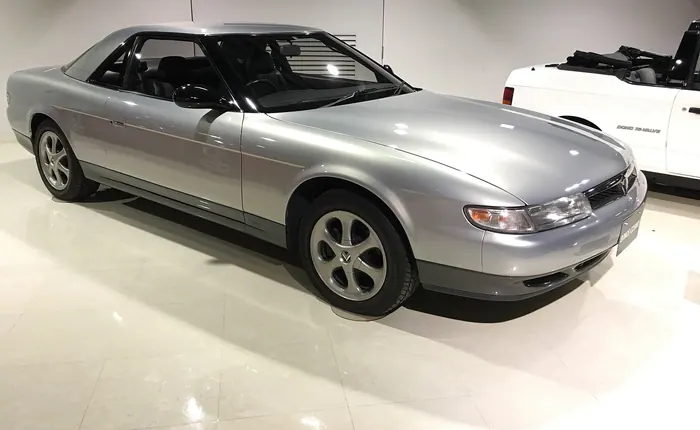 1990–1996
Eunos Cosmo
Mazda's grandest rotary had the only three-rotor engine ever fitted to a production car and a touchscreen with satellite navigation in 1990. It is extravagant, thirsty and unforgettable.
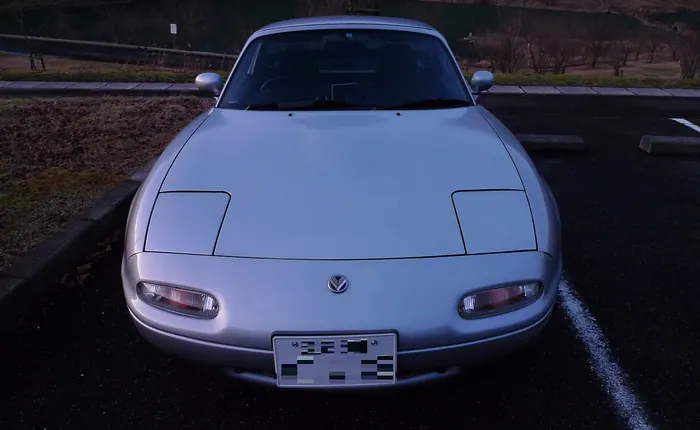 1989–1997
Eunos Roadster (NA)
When the classic British roadster had all but vanished, Mazda built a lighter, more reliable version and changed the industry. The Japanese-market NA is still one of the best classic cars to import.
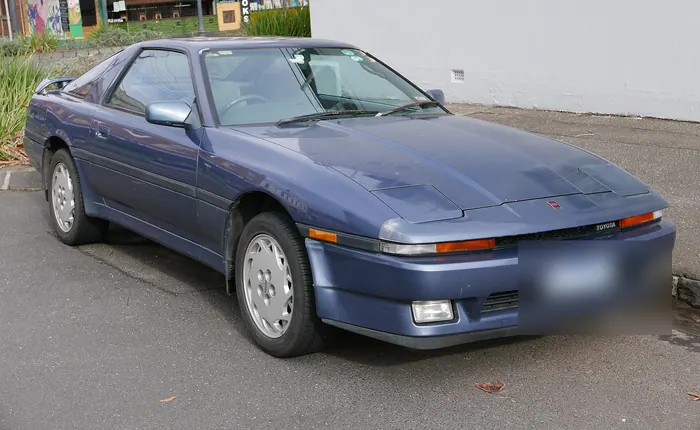 1986–1993
Toyota Supra (A70)
Before the A80 became a legend, the A70 established the Supra as Toyota's flagship sports car, with turbo power, double wishbones and a removable roof.
 1993–2002
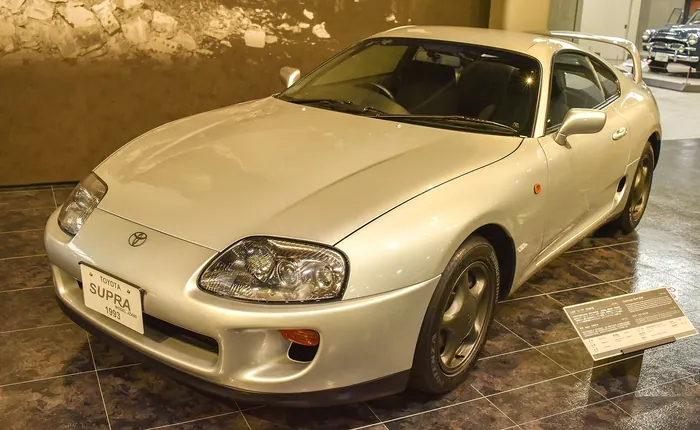
Toyota Supra (A80)
Toyota built the fourth Supra as a fast, comfortable flagship for the end of the bubble era. A generation of tuners, gamers and film fans turned it into something else entirely.
 1983–1987
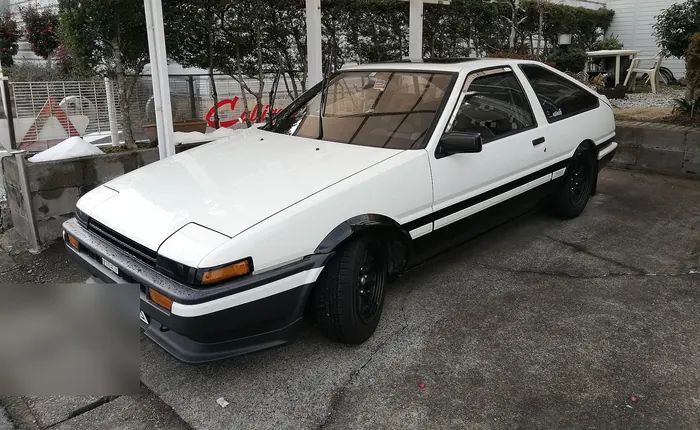
Toyota AE86 Levin and Trueno
A light, rear-wheel-drive coupe built from the parts bin of the last old-school Corolla. It became the most mythologised small car Japan ever made.
 1986–1989
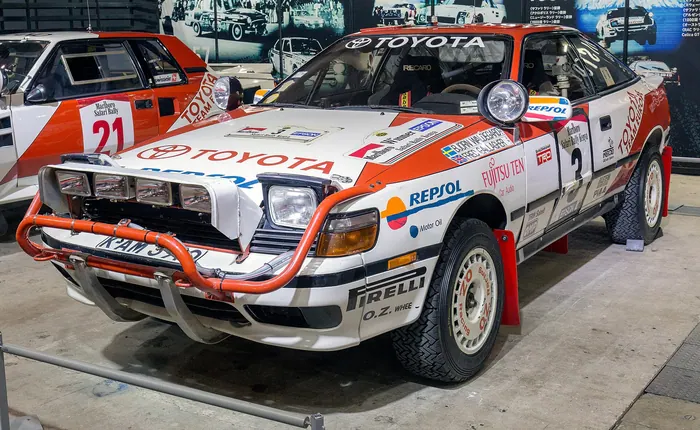
Toyota Celica GT-Four (ST165)
Toyota's first serious answer to the four-wheel-drive revolution in rallying was also a refined, quick road car. It laid the foundation for a world championship decade.
 1989–1993
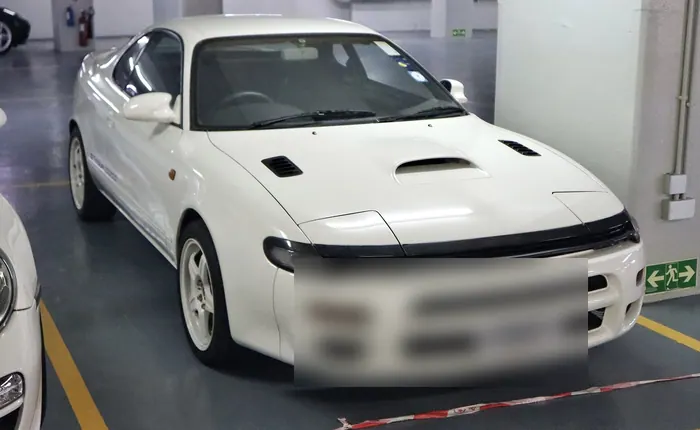
Toyota Celica GT-Four (ST185)
The ST185 carried Toyota to its first world rally manufacturers' title. On the road it is a fast, wide, four-wheel-drive coupe with a strong engine and plenty of character.
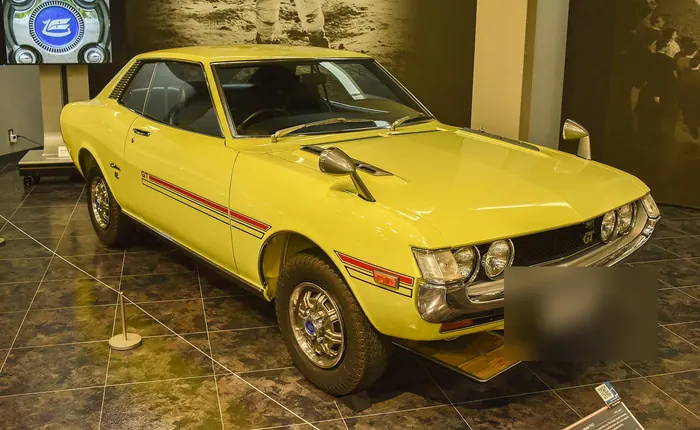 1970–1977
Toyota Celica (TA22)
The first Celica arrived in 1970 as Japan raced into the age of the private car. Stylish, affordable and built to the buyer's own specification, it became a symbol of an optimistic decade.
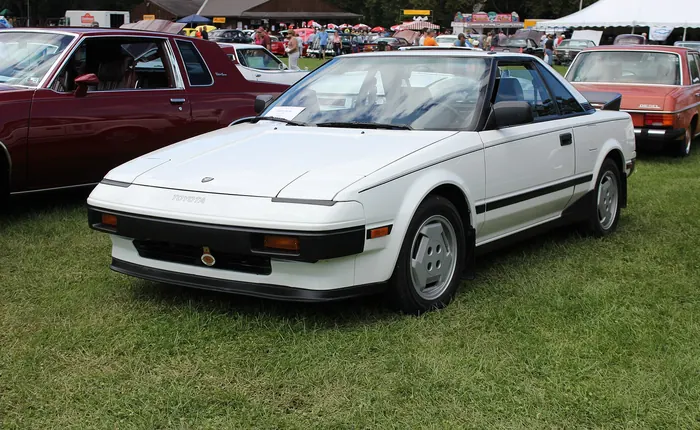 1984–1989
Toyota MR2 (AW11)
Small, light and built around a rev-happy twin-cam behind the seats, the first MR2 brought exotic-car layout to ordinary buyers in 1984.
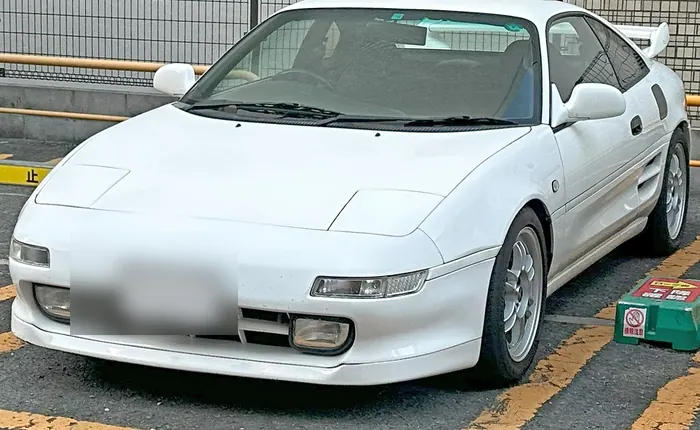 1989–1999
Toyota MR2 (SW20)
The second MR2 was bigger, faster and far more grown-up than the first. Its turbocharged versions remain some of the most exciting affordable Japanese sports cars of the 1990s.
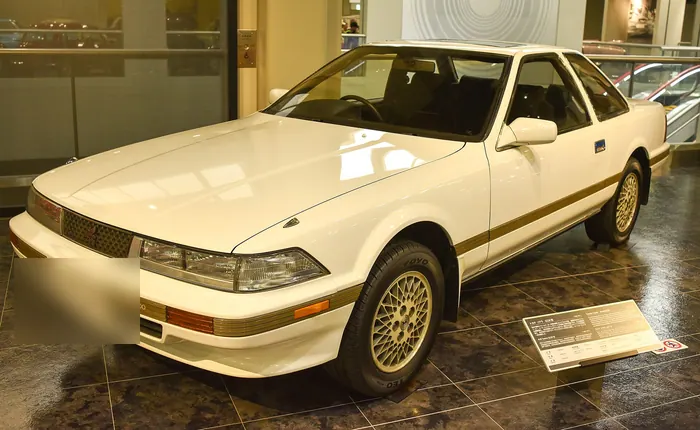 1986–1991
Toyota Soarer (Z20)
The second Soarer was a luxurious, high-tech grand tourer built for a Japan at the height of its prosperity. Its electronics were dazzling then and demanding now.
 1991–2000
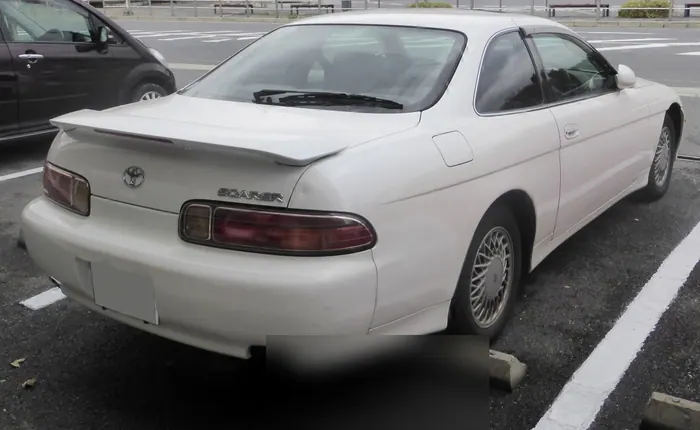
Toyota Soarer (Z30)
Smooth, heavy and beautifully engineered, the third Soarer brought V8 luxury and twin-turbo performance to Japan in the early 1990s.
 1987–1991
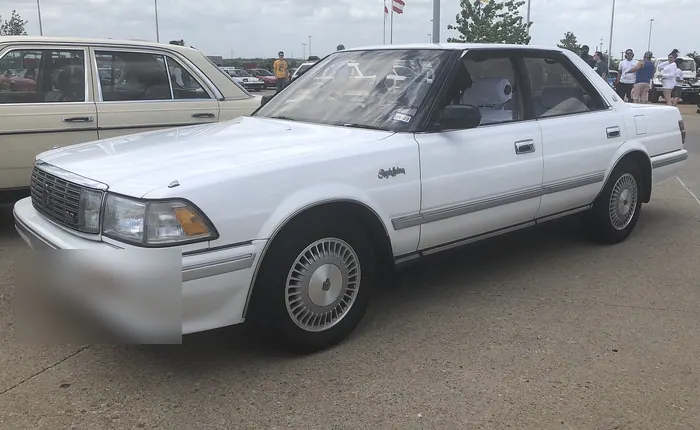
Toyota Crown (S130)
The eighth-generation Crown was Toyota's most important family car for executives and successful families in the late 1980s. It is now a quiet, comfortable and distinctive classic.
 1967–1997
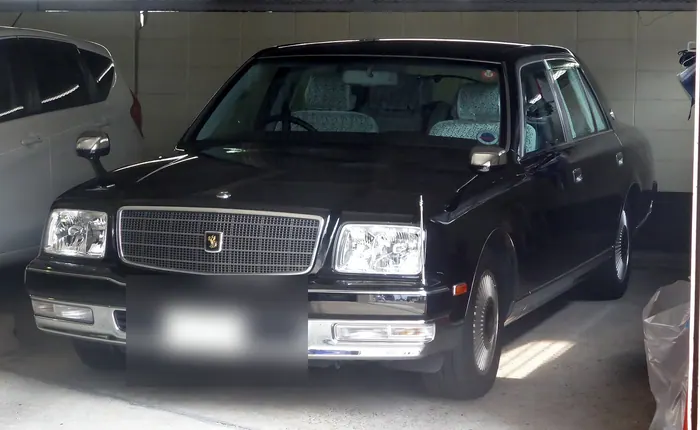
Toyota Century (G50)
Built for boardrooms and ministries rather than showrooms, the first Century changed slowly, aged gracefully and still feels like nothing else on the road.
 1960–1984
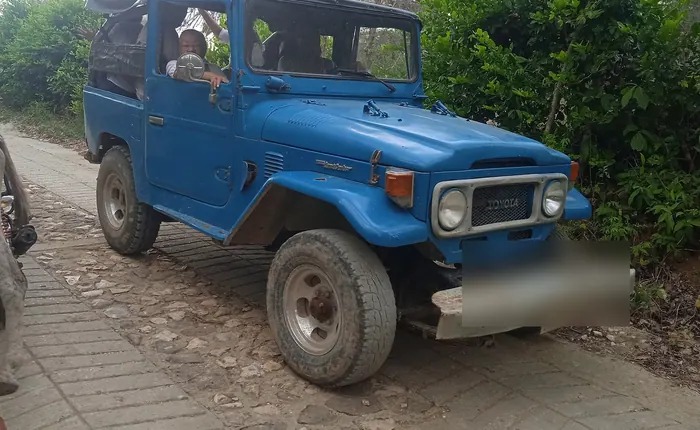
Toyota Land Cruiser 40
For almost a quarter of a century the 40 Series proved that a simple, tough Japanese four-wheel drive could go anywhere. Finding an honest one is the challenge.
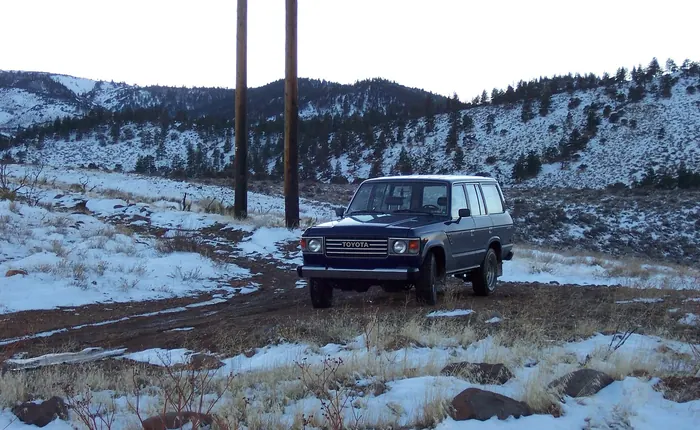 1980–1990
Toyota Land Cruiser 60
The 60 Series kept the leaf springs and solid axles but added space and comfort, creating the template for the big Land Cruiser estates that followed.
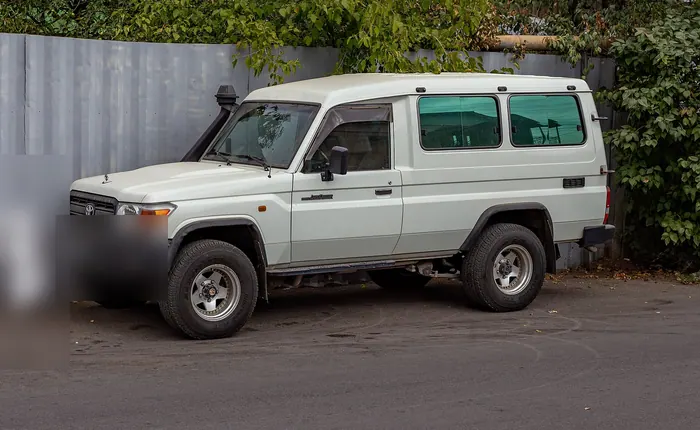 1984–present
Toyota Land Cruiser 70
Launched in 1984 and still in production elsewhere, the 70 Series is a living classic. The older Japanese examples carry its story best.
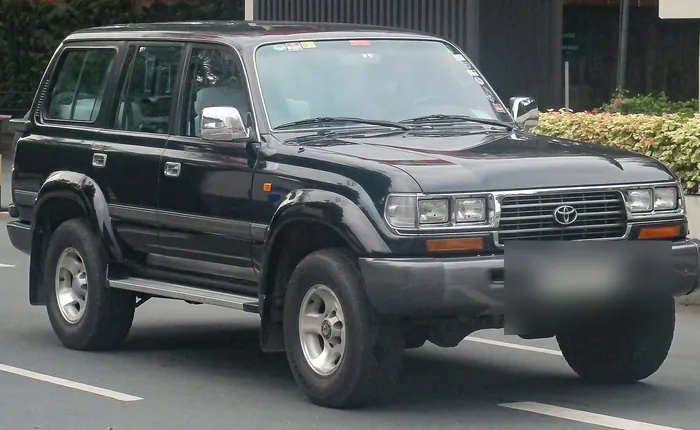 1990–1997
Toyota Land Cruiser 80
The 80 Series brought comfort to the big Land Cruiser without giving up the solid axles that made it legendary. It is now a modern classic with a strong following.
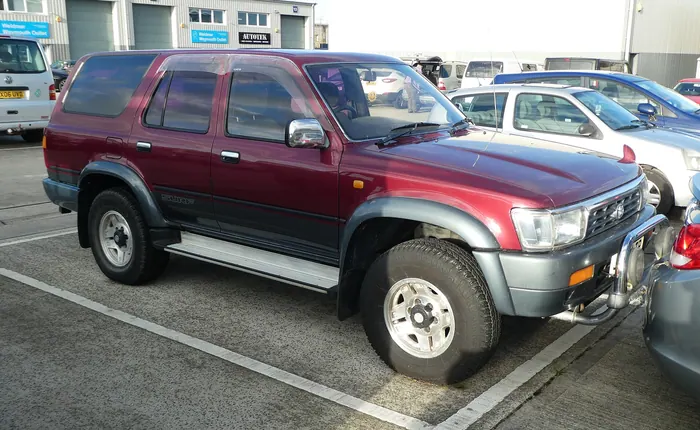 1989–1995
Toyota Hilux Surf (N130)
The second-generation Surf traded the removable roof of its predecessor for a proper five-door body, and helped turn the off-roader into everyday transport.
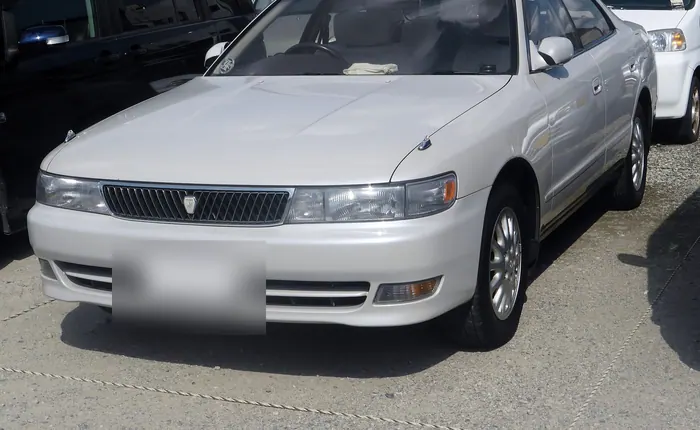 1992–1996
Toyota Chaser, Mark II and Cresta (X90)
Launched as Japan's bubble economy burst, the X90 triplets were family saloons for salarymen. A straight-six and rear-wheel drive made them enthusiast icons.
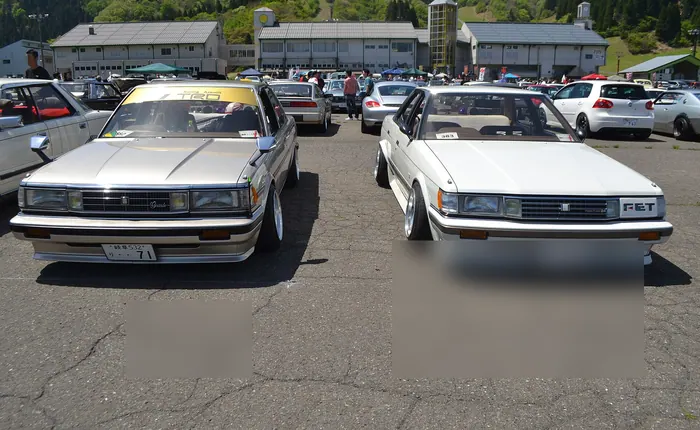 1984–1988
Toyota Mark II (X70)
The X70 Mark II made the four-door hardtop a symbol of success in 1980s Japan, and its smooth straight-six engines still make it a charming classic.
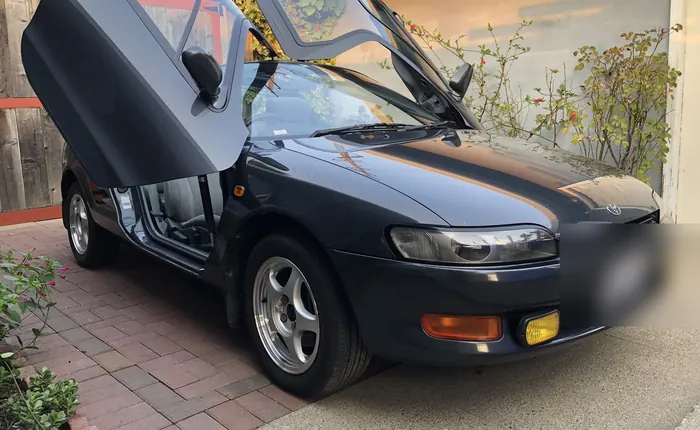 1990–1995
Toyota Sera
A small front-wheel-drive coupe with doors that swing up and forward and a roof made largely of glass, the Sera is one of Japan's most charming oddities.
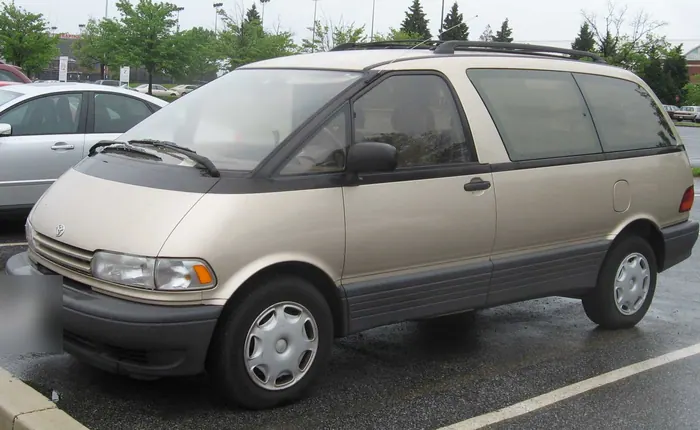 1990–2000
Toyota Estima (first generation)
Toyota laid a four-cylinder engine almost flat beneath the cabin to create a futuristic people carrier. Known abroad as the Previa, it remains a fascinating classic.
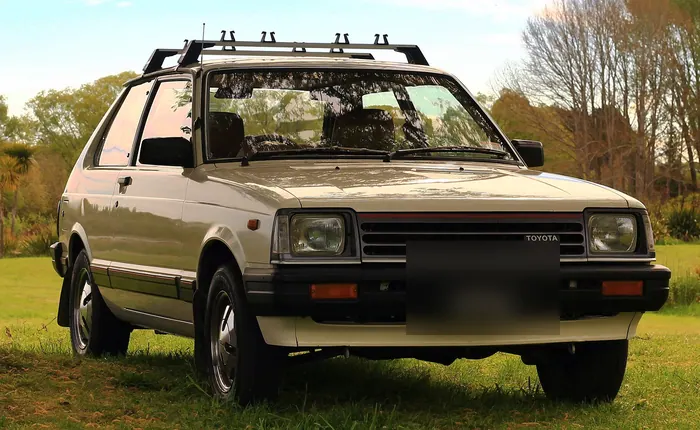 1978–1984
Toyota Starlet (KP61)
Built as frugal transport after the oil shocks, the little KP61 turned out to be one of the purest driver's cars Toyota made in the late 1970s.
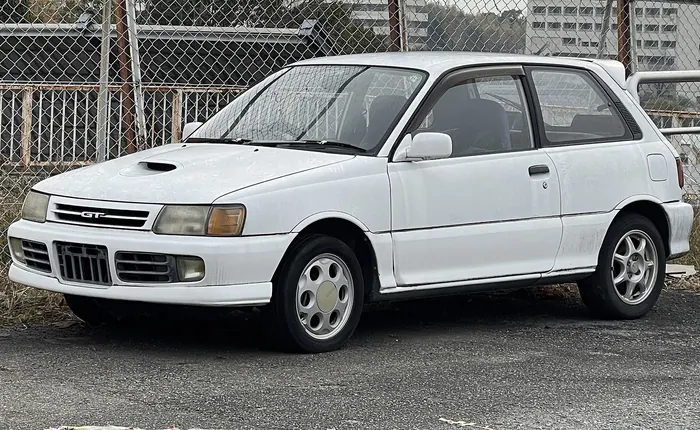 1989–1995
Toyota Starlet GT Turbo (EP82)
A small, cheap hatchback with a turbocharged 1.3 and a bonnet scoop, the EP82 GT Turbo was one of the fastest ways to cross a Japanese city in 1990.
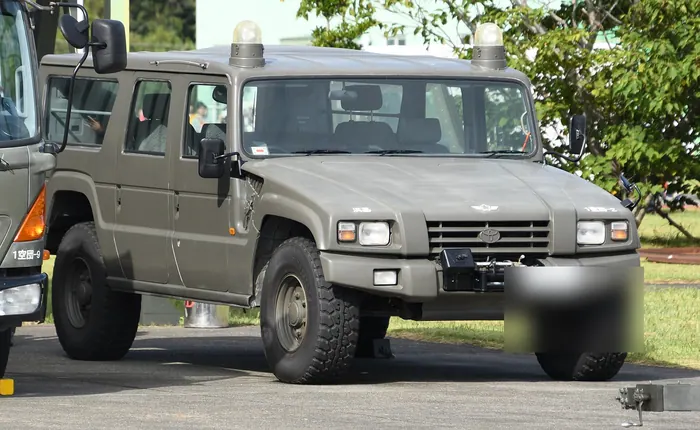 1995–2001
Toyota Mega Cruiser
Derived from a vehicle built for Japan's Ground Self-Defense Force, the Mega Cruiser is huge, rare and very hard to live with. That is the appeal.
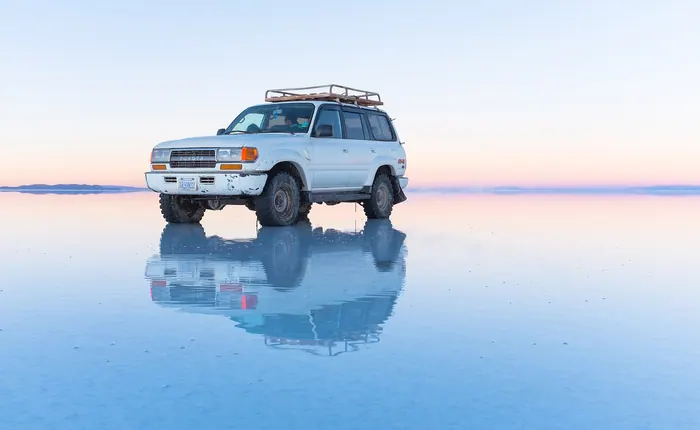 1990–1996
Toyota Land Cruiser Prado (J70)
The first Land Cruiser to carry the Prado name kept the 70 Series toughness but softened the ride. It remains a superb, simple off-roader.
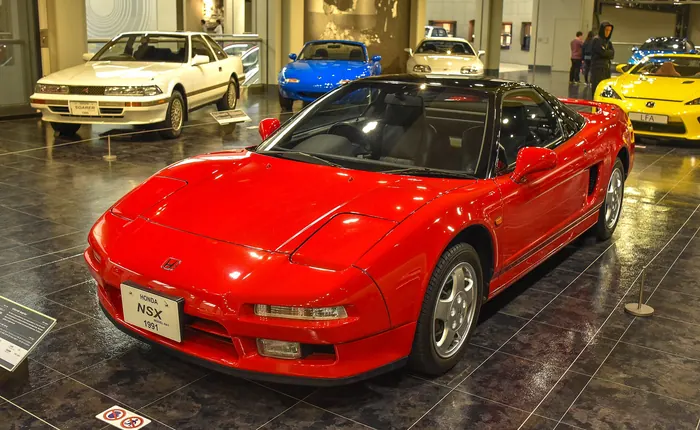 1990–1997
Honda NSX (NA1)
Honda built a mid-engined supercar you could drive every day, with an all-aluminium body and a VTEC V6. The first NSX still feels like a revelation.
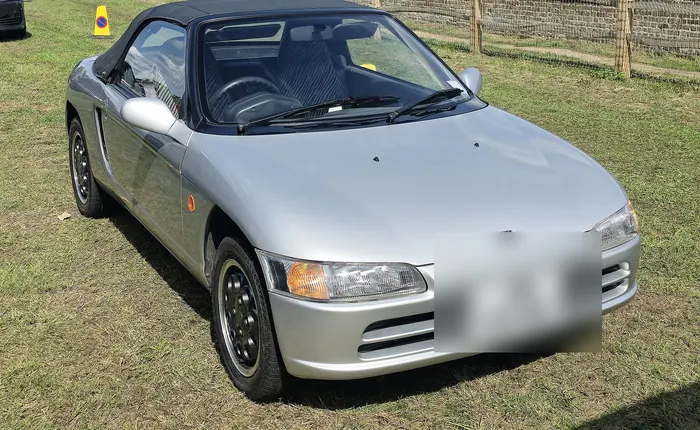 1991–1996
Honda Beat
A kei car with its engine behind the seats, a soft top and an 8,100 rpm power peak, the Beat was one of the last cars launched in Soichiro Honda's lifetime.
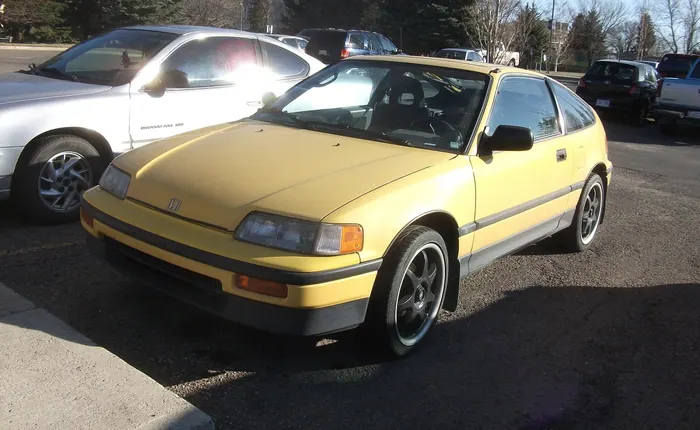 1987–1991
Honda CR-X (EF8)
With a 1.6 VTEC engine screaming past 7,000 rpm and a body made for slicing through traffic, the second-generation CR-X SiR is a defining Honda of the late 1980s.
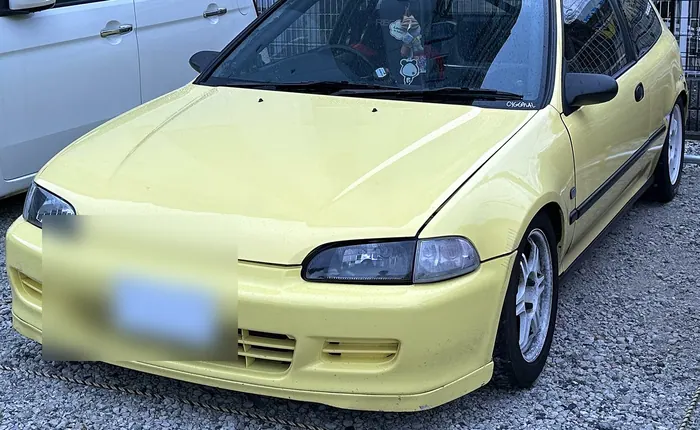 1991–1995
Honda Civic SiR (EG6)
Light, low and fitted with a 170 PS VTEC engine, the fifth-generation Civic SiR became one of the most influential Japanese performance cars of the 1990s.
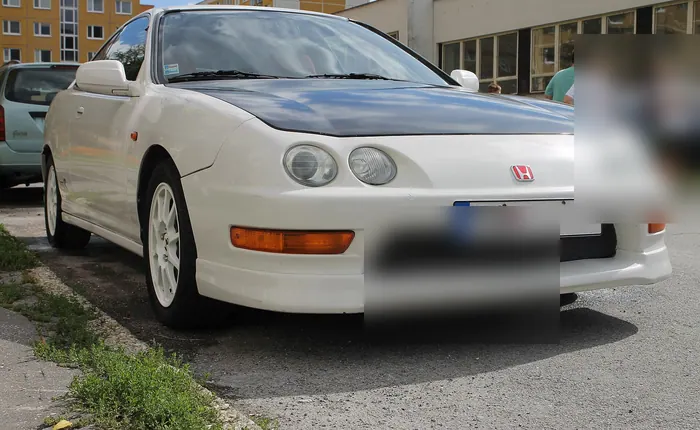 1995–2001
Honda Integra Type R (DC2)
Hand-finished engines, a stripped-out body and a helical limited-slip differential made the DC2 Type R a benchmark that still defines how a hot Honda should feel.
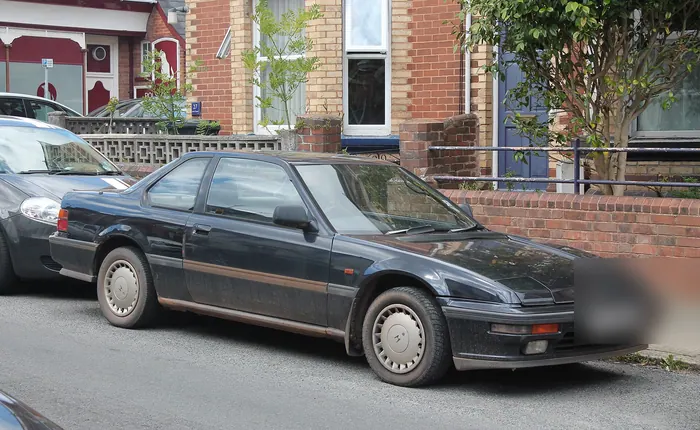 1987–1991
Honda Prelude (third generation)
With pop-up lamps, a remarkably low bonnet and mechanical four-wheel steering, the 1987 Prelude was the stylish face of bubble-era Japan.
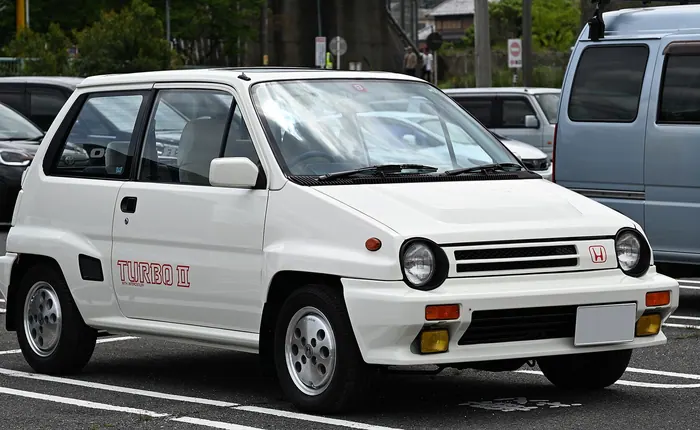 1983–1986
Honda City Turbo II
A boxy city car with an intercooled turbo, swollen arches and a ten-second overboost button. Forty years on, the Turbo II is still one of the most characterful small cars Honda ever built.
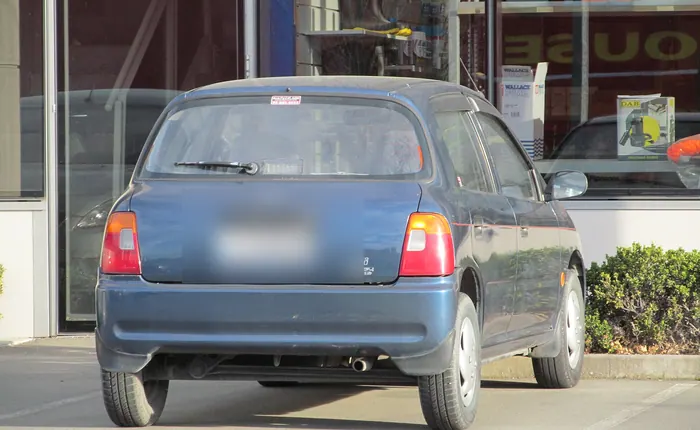 1985–1998
Honda Today
In 1985 Honda returned to kei passenger cars with a design that pushed the wheels to the corners and the windscreen far forward. The Today became a quiet classic of Japanese urban life.
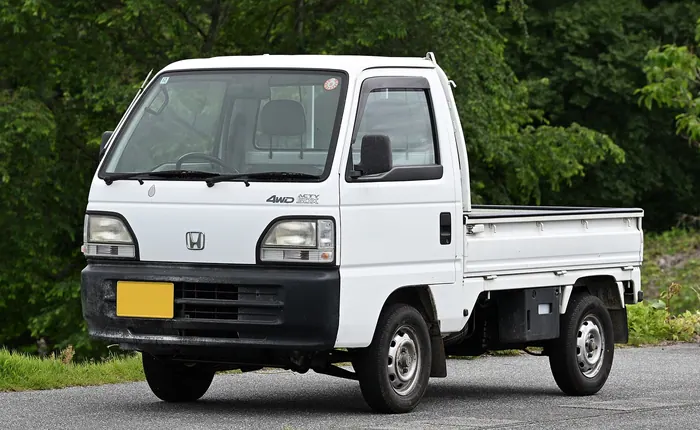 1977–2021
Honda Acty Truck
For over four decades the Acty carried crops, tools and building materials across Japan. Its early generations put the engine in an unusual place and are now genuine classics.
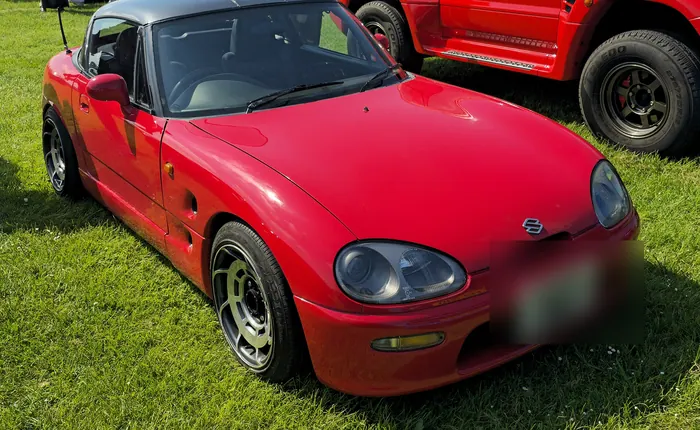 1991–1997
Suzuki Cappuccino
Born at the end of Japan's bubble years, the Cappuccino packed a turbocharged three-cylinder, rear-wheel drive and a three-piece removable roof into a kei car footprint.
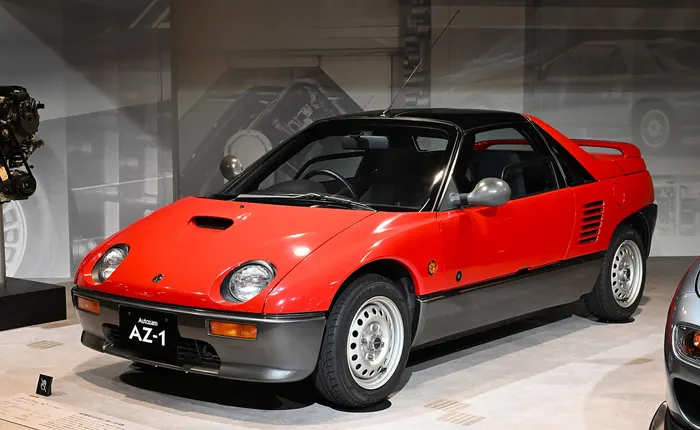 1992–1994
Autozam AZ-1
Mazda's tiny gullwing coupé was the most extreme of the early 1990s kei sports cars. Few were built, and it remains one of the most distinctive Japanese cars of its era.
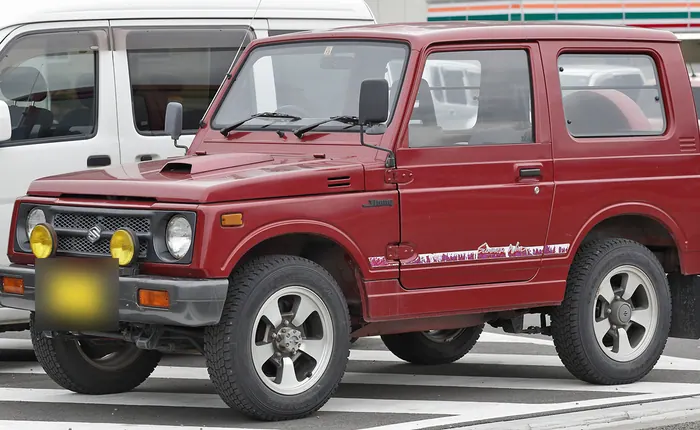 1990–1995
Suzuki Jimny JA11
A ladder frame, leaf springs, a turbocharged 660 cc engine and low-range gears, all inside Japan's kei limits. The JA11 is the Jimny in its toughest, simplest form.
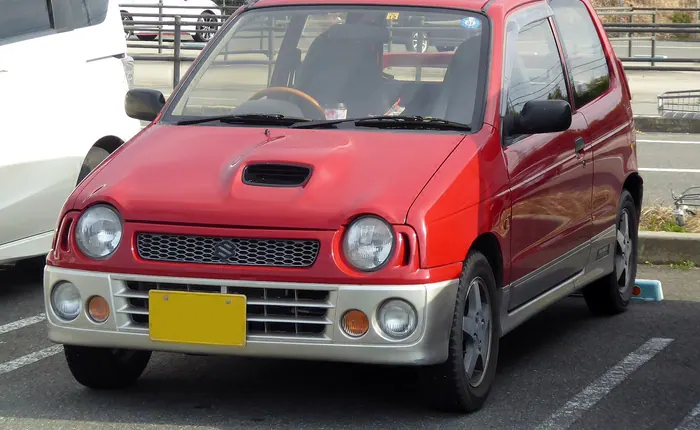 1987–2000
Suzuki Alto Works
In 1987 a turbocharged, twin-cam three-cylinder kei hatchback arrived with so much power that the industry agreed to stop there. The Alto Works is the original kei hot hatch.
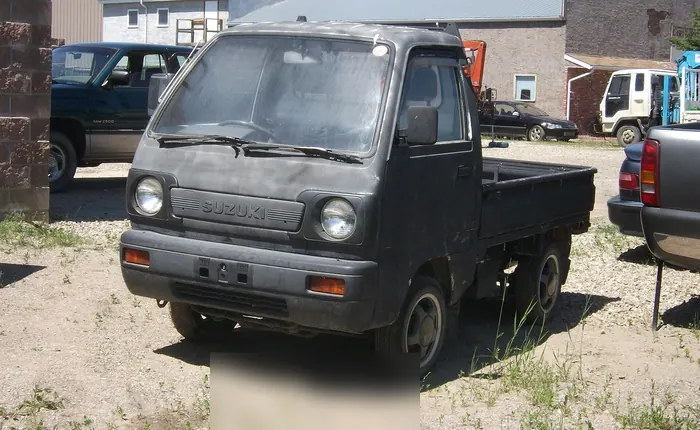 1961–present
Suzuki Carry Truck
The Carry has been carrying loads across Japan since 1961. Its older generations, simple, tough and beautifully compact, are now classics in their own right.
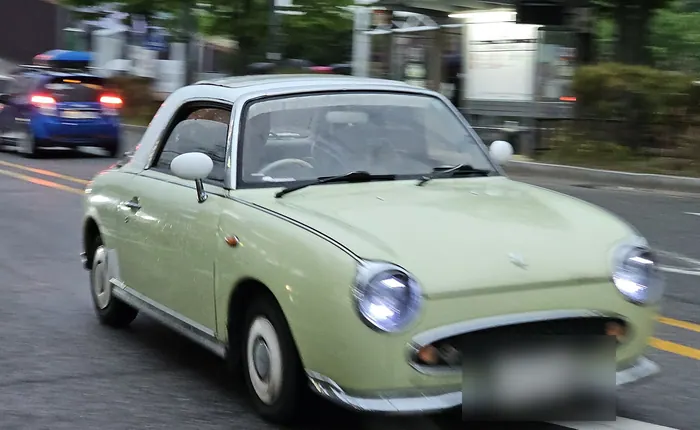 1991
Nissan Figaro
Built in a limited run and sold in Japan by lottery, the Figaro has become one of the best-loved Japanese imports in Ireland and the UK.
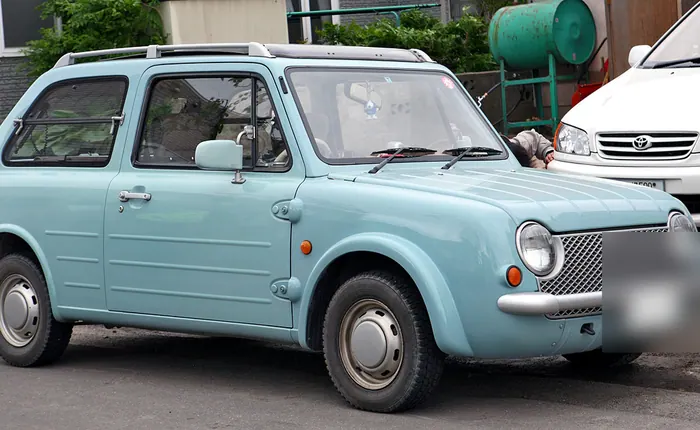 1989–1991
Nissan Pao
Nissan took orders for the Pao for just three months in 1989. The result was a small, quirky car with external hinges, a split tailgate and a design that still feels fresh.
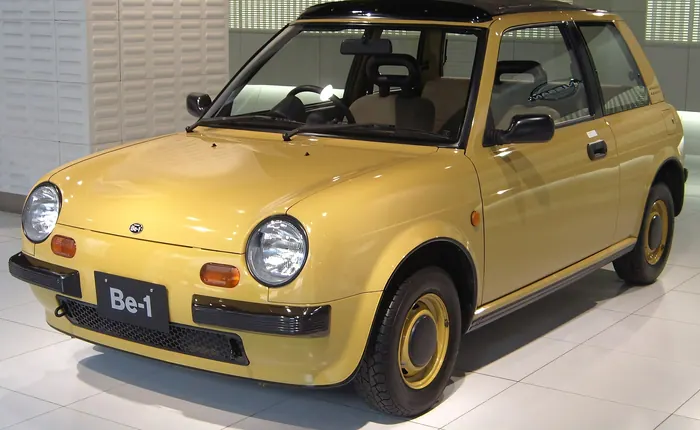 1987–1988
Nissan Be-1
Built in a strictly limited run on humble Micra mechanicals, the Be-1 sold out almost overnight and started the Pike car family. It is still one of the most charming small cars Japan ever made.
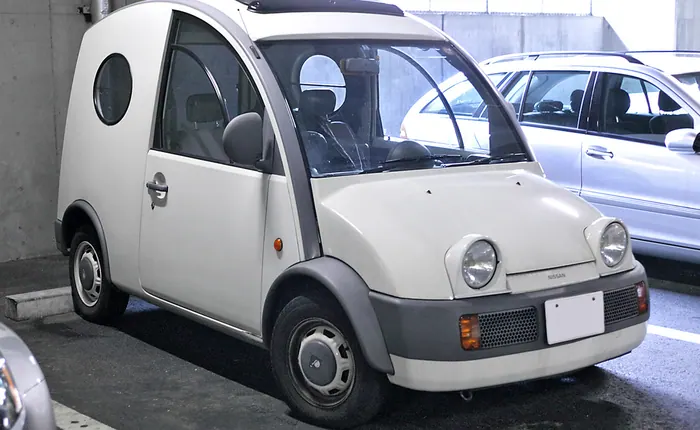 1989–1992
Nissan S-Cargo
A tiny commercial van shaped like a snail shell, named after a French pun, the S-Cargo is one of the oddest and most loved vehicles of Japan's bubble years.
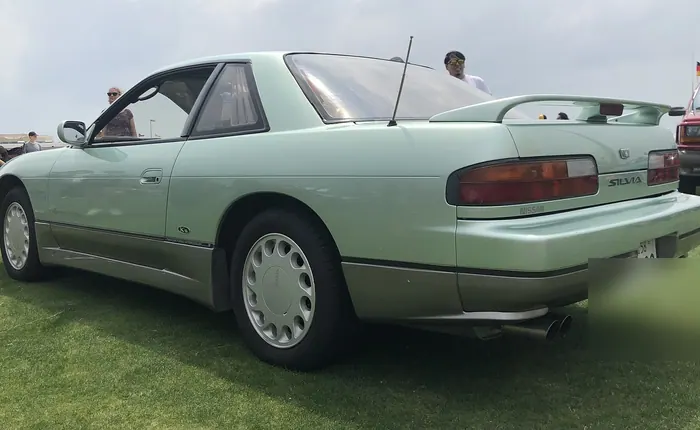 1988–1993
Nissan Silvia (S13)
Launched in 1988 as a stylish, affordable rear-wheel-drive coupé, the S13 Silvia won Japan's Car of the Year and then found a second life on drift circuits. Finding an unmodified one is now the challenge.
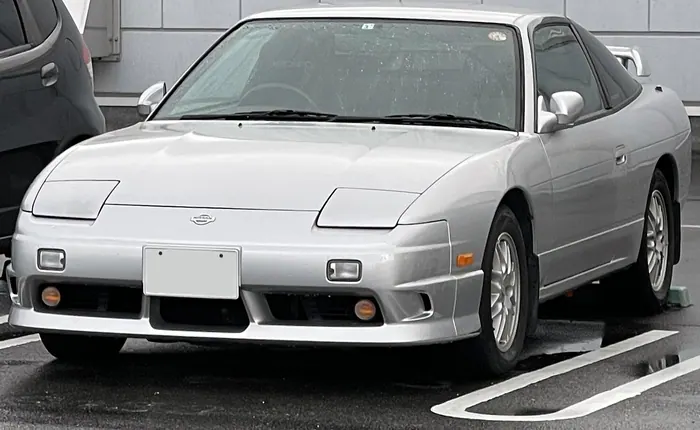 1989–1998
Nissan 180SX
The hatchback sibling of the S13 Silvia outlived it by years, gained a bigger engine and a late facelift, and became a staple of Japanese car culture. The hard part now is finding one that has not been driven sideways.
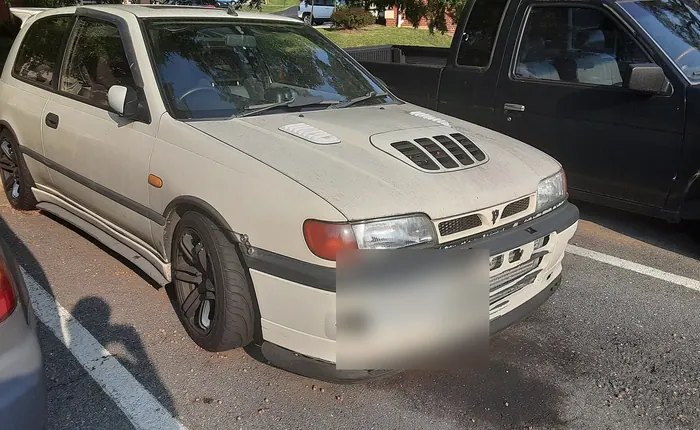 1990–1994
Nissan Pulsar GTI-R
Nissan built the Pulsar GTI-R to go rallying, giving a compact hatchback a 2.0-litre turbo and four-wheel drive. On the road it is a small, fierce and characterful hot hatch.
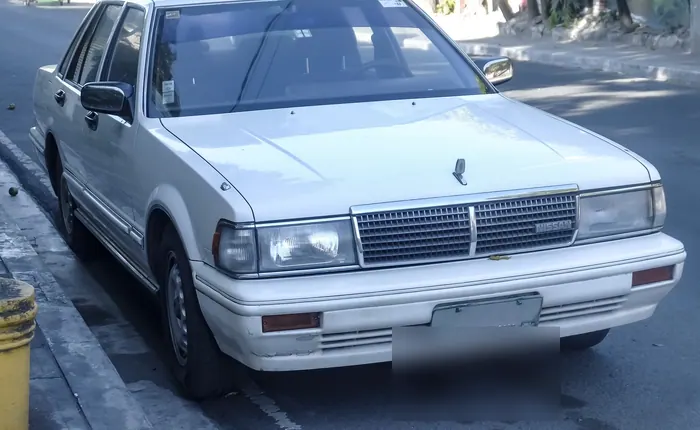 1987–1999
Nissan Cedric and Gloria (Y31)
Sold through two dealer networks under two old names, the Y31 Cedric and Gloria were the backbone of Nissan's large-saloon range, and the sedan outlived the hardtop by most of a decade.
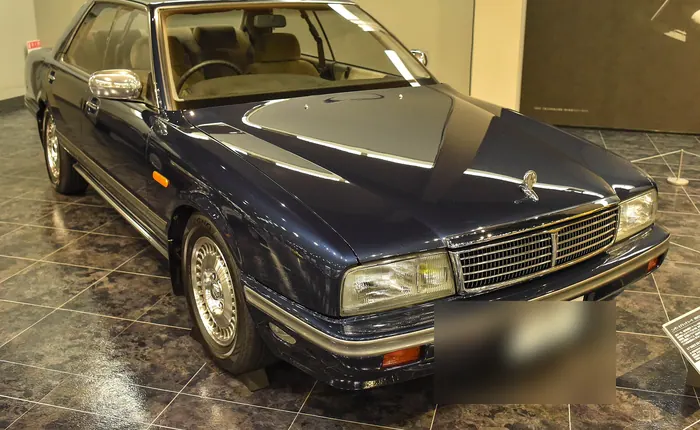 1988–1991
Nissan Cima (Y31)
The first Cima was so successful in bubble-era Japan that the press coined a phrase for its sales. Today it is a rare, powerful and distinctly Japanese luxury car.
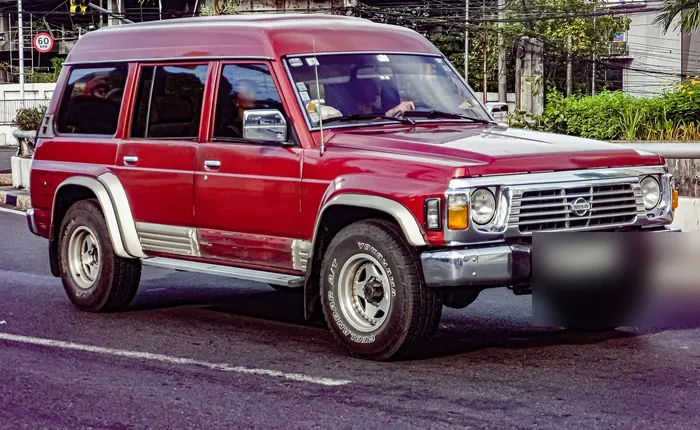 1987–1997
Nissan Safari (Y60)
Known as the Patrol GR in Ireland and Europe, the Y60 Safari brought coil springs and solid axles together in a tough, simple off-roader. Japanese examples are often well kept and lightly used.
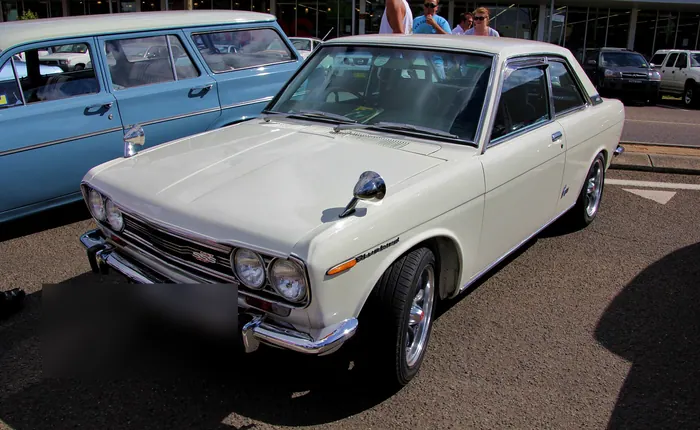 1967–1973
Datsun Bluebird (510)
The 510 Bluebird was a simple, modern saloon with independent rear suspension and an overhead-cam engine. It won the East African Safari Rally and became a cult car in the United States.
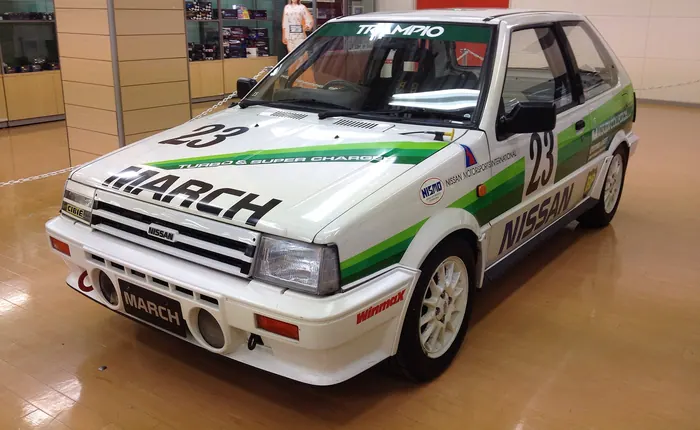 1989–1991
Nissan March Super Turbo
Nissan fitted its tiny March with both a supercharger and a turbocharger, creating one of the most unusual and entertaining small cars of the bubble era.
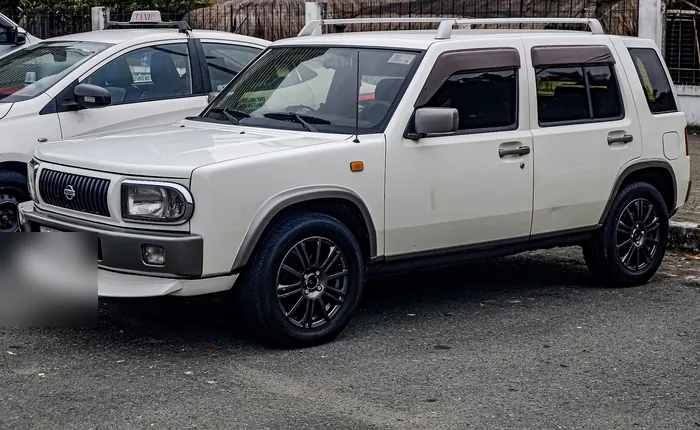 1994–2000
Nissan Rasheen
Built on humble Sunny underpinnings and styled like a child's drawing of a jeep, the Rasheen was a home-market curiosity in the 1990s. Today it is one of the most charming small classics you can bring from Japan.
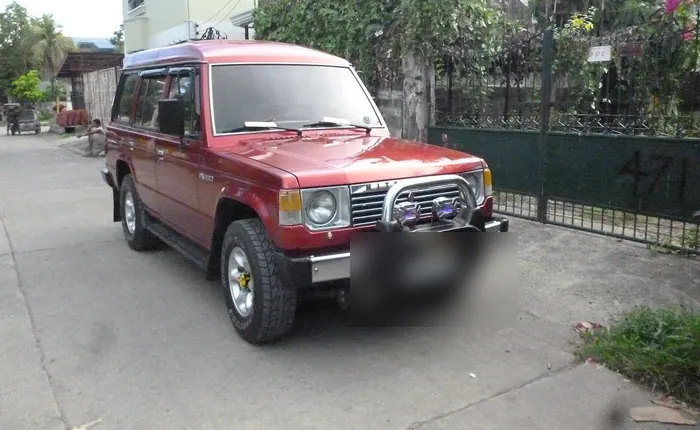 1982–1991
Mitsubishi Pajero (first generation)
Born from Mitsubishi's long apprenticeship building Jeeps under licence, the first Pajero went from a Tokyo show stand to victory on the Paris-Dakar in barely three years.
 1991–1999
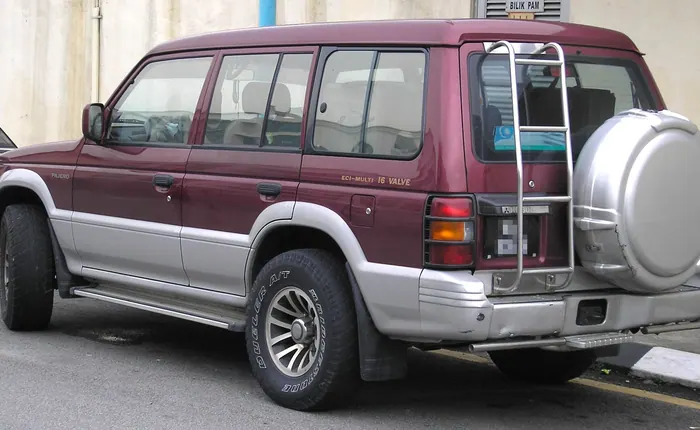
Mitsubishi Pajero (second generation)
Super Select four-wheel drive, a choice of V6 or turbo-diesel power and a string of desert victories made the 1990s Pajero one of the most complete off-roaders of its time.
 1986–1999
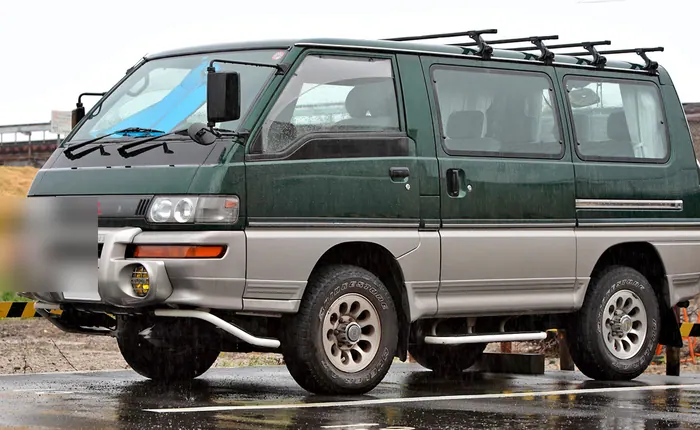
Mitsubishi Delica Star Wagon (L300)
Part people carrier, part off-roader and part mountain hut on wheels, the Delica Star Wagon is the cult Japanese van that campers and adventurers still chase.
 1990–2000
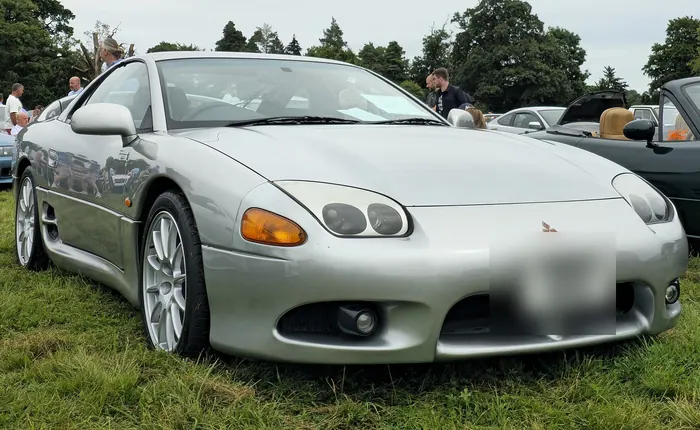
Mitsubishi GTO
Twin turbochargers, four-wheel drive, four-wheel steering and moving aerodynamics: the GTO was Mitsubishi's statement of what a Japanese supercar could be at the start of the 1990s.
 1992–1996
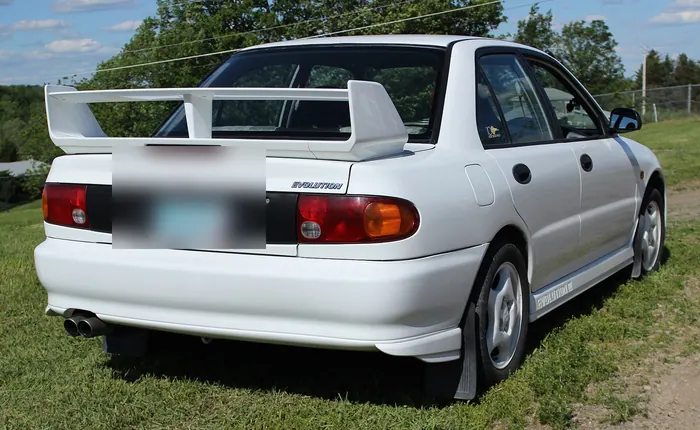
Mitsubishi Lancer Evolution I to III
Mitsubishi squeezed its Galant rally drivetrain into a small Lancer saloon in 1992. Three evolutions later, the car carried Tommi Mäkinen to his first world title and created a legend.
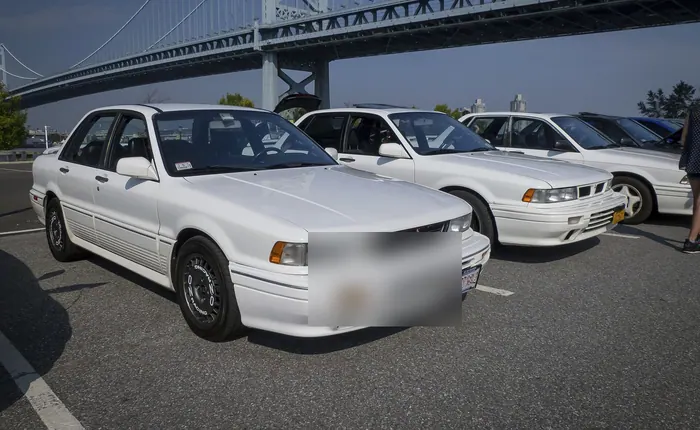 1987–1992
Mitsubishi Galant VR-4
Before the Lancer Evolution, there was the Galant VR-4: a turbocharged, four-wheel-drive family saloon that won world rallies and laid the foundations for everything that followed.
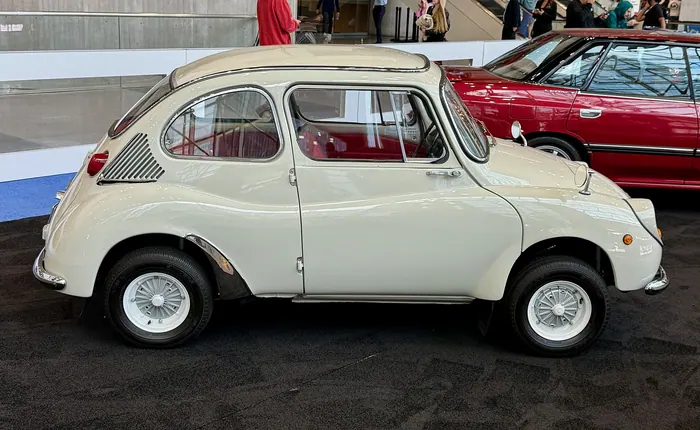 1958–1971
Subaru 360
Built by an aircraft company turned car maker, the Subaru 360 was one of the first cars ordinary Japanese families could afford, and it remains one of the most endearing classics ever built in Japan.
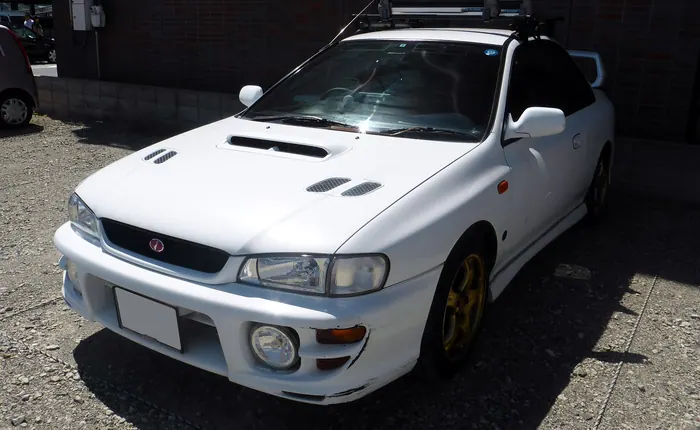 1994–2000
Subaru Impreza WRX STi (GC8)
The first Impreza WRX STi was the road car behind Subaru's World Rally Championship titles in the 1990s, and it remains one of the most desirable Japanese performance cars to import.
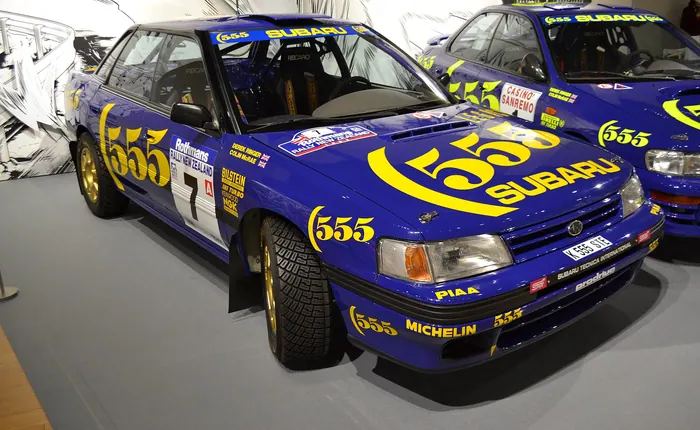 1989–1993
Subaru Legacy RS (BC5)
The first Legacy RS set a world speed endurance record before it went on sale, then gave Subaru its first world rally victory. It is a quietly significant Japanese classic.
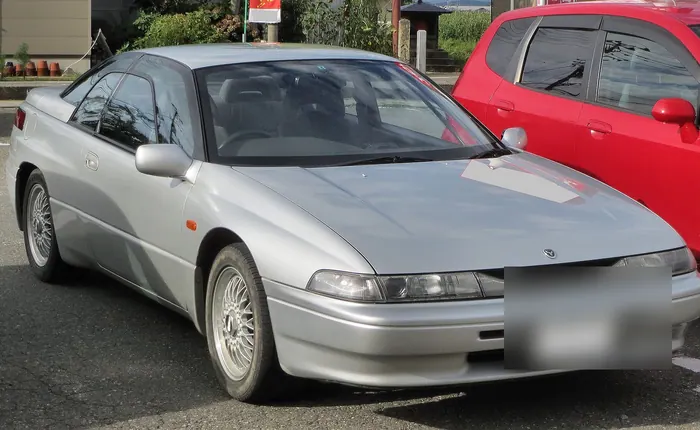 1991–1996
Subaru Alcyone SVX
Styled by Giugiaro's Italdesign and powered by a 3.3-litre flat-six, the SVX was Subaru's most ambitious car of the bubble years. It remains one of the strangest and most handsome Japanese coupes ever made.
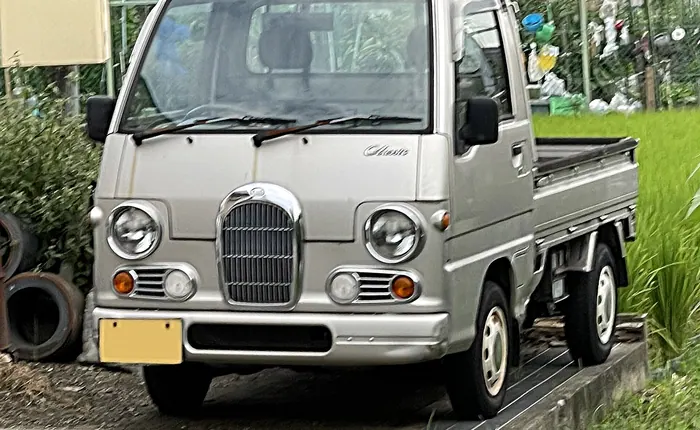 1961–1998
Subaru Sambar (classic)
For decades the Sambar was the van and pickup of rice farmers, delivery drivers and shopkeepers. Its rear engine and independent suspension made it unusual among kei commercials, and it still has a devoted following.
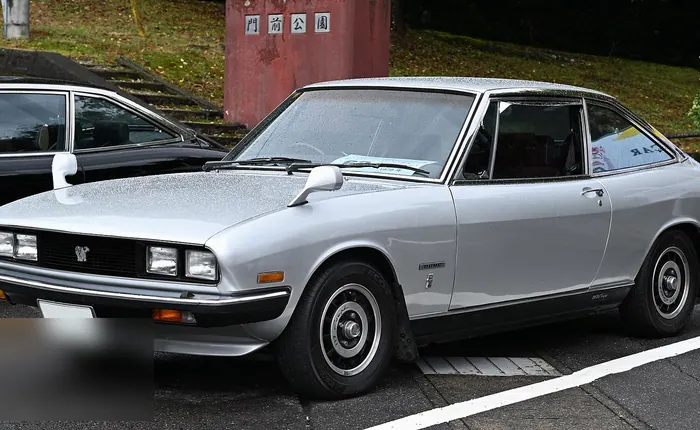 1968–1981
Isuzu 117 Coupe
Drawn by a young Giorgetto Giugiaro at Ghia and hand-finished in its early years, the 117 Coupe gave a truck maker an Italian-styled grand tourer. It remains one of the loveliest shapes Japan ever produced.
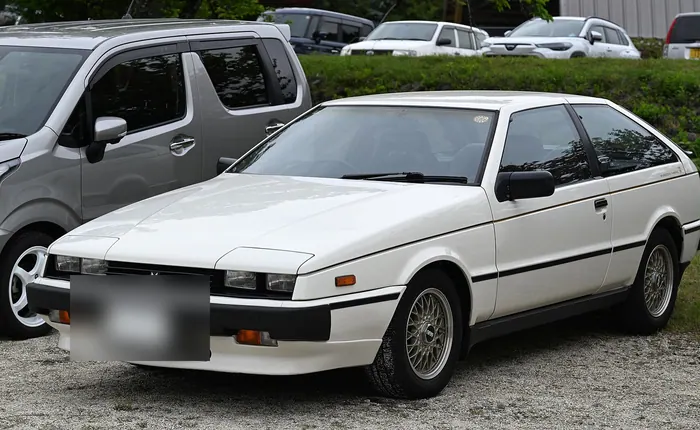 1981–1991
Isuzu Piazza
Shown as the Asso di Fiori concept in 1979 and sold from 1981, the Piazza kept its designer's vision with rare fidelity. Later versions with Irmscher and Lotus tuning added real ability to the looks.
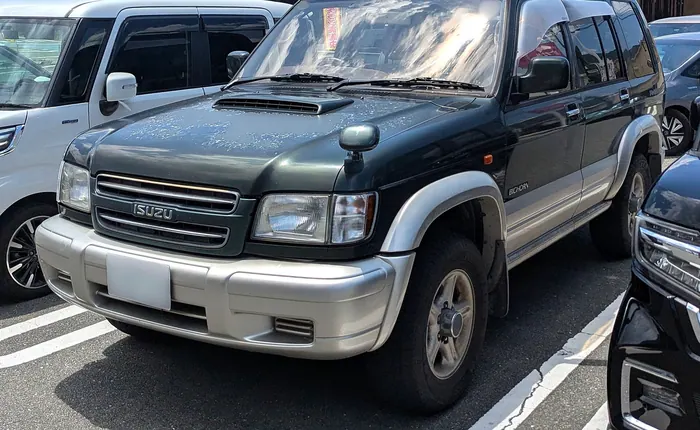 1981–1991
Isuzu Bighorn
Built on a ladder frame and offered with durable diesel engines, the first Bighorn was a working four-by-four that grew into a family car. Japanese examples include tuned versions never sold here.
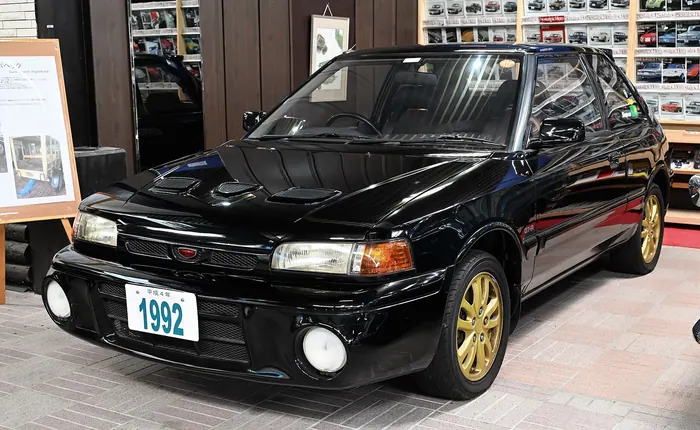 1992–1994
Mazda Familia GT-R
Mazda built the Familia GT-R to carry its four-wheel-drive rally programme into the 1990s. A 1.8-litre turbo, full-time 4WD and a compact hatchback body made it one of the most purposeful small cars of its day.
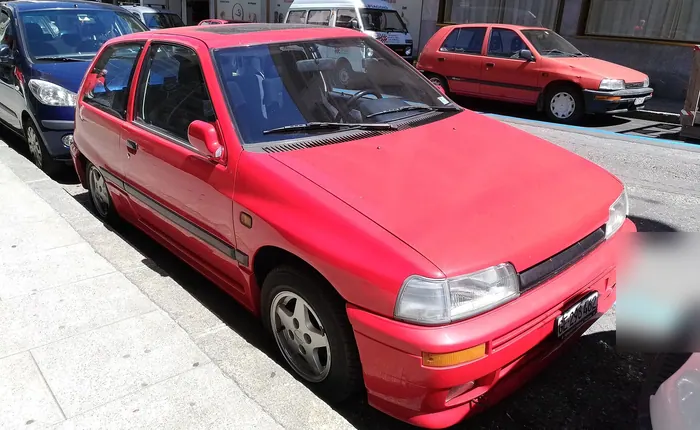 1987–1993
Daihatsu Charade GTti
Three cylinders, twin camshafts, four valves per cylinder, a turbocharger and an intercooler: in 1987 that was an exotic recipe for a small car. The Charade GTti remains a cult classic.
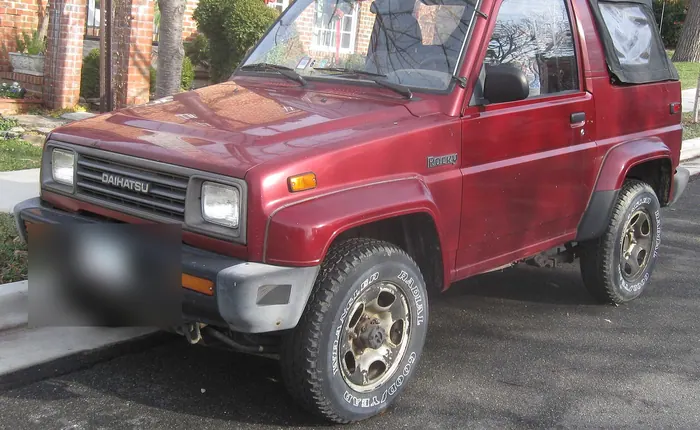 1989–1997
Daihatsu Rocky (F300)
Built on a ladder frame with part-time four-wheel drive and a removable roof, the Rocky was a compact off-roader for the leisure boom of the late 1980s. It is still capable, and still charming.
 1993–present
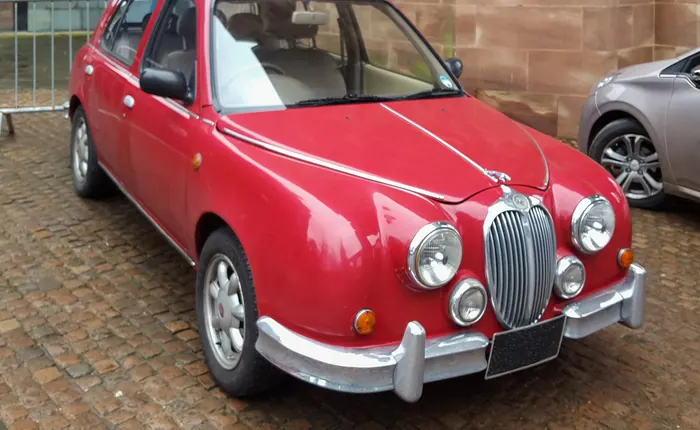
Mitsuoka Viewt
A small Toyama coachbuilder took the humble Nissan March and gave it the face of a 1960s British sports saloon. The Viewt has been charming and baffling people since 1993.
 1995–2005
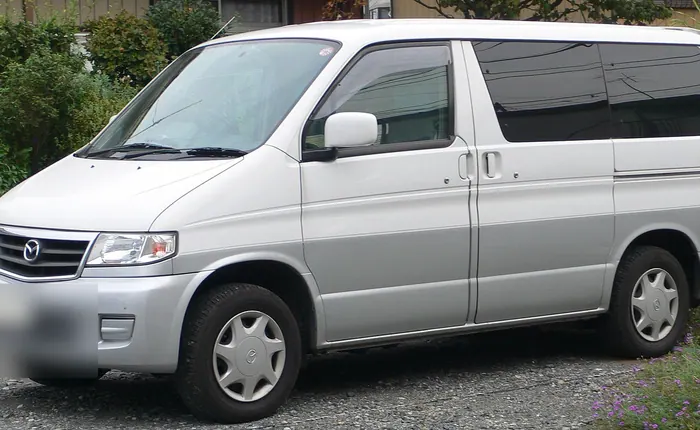
Mazda Bongo Friendee
Built for Japanese families heading to the mountains and the coast, the Bongo Friendee found a second life in Ireland and the UK as a compact camper. Its electric pop-up roof is the part everyone remembers.