
Honda Life vs Daihatsu Mira: Two Plain Kei Hatchbacks That Asked Very Little of Their Owners
Neither was designed to excite. Both were designed to start every morning and cost almost nothing to run. Here is how the last Honda Life compares with the long-running eighth-generation Mira.
By the Japan to Ireland editors · · 4 min read
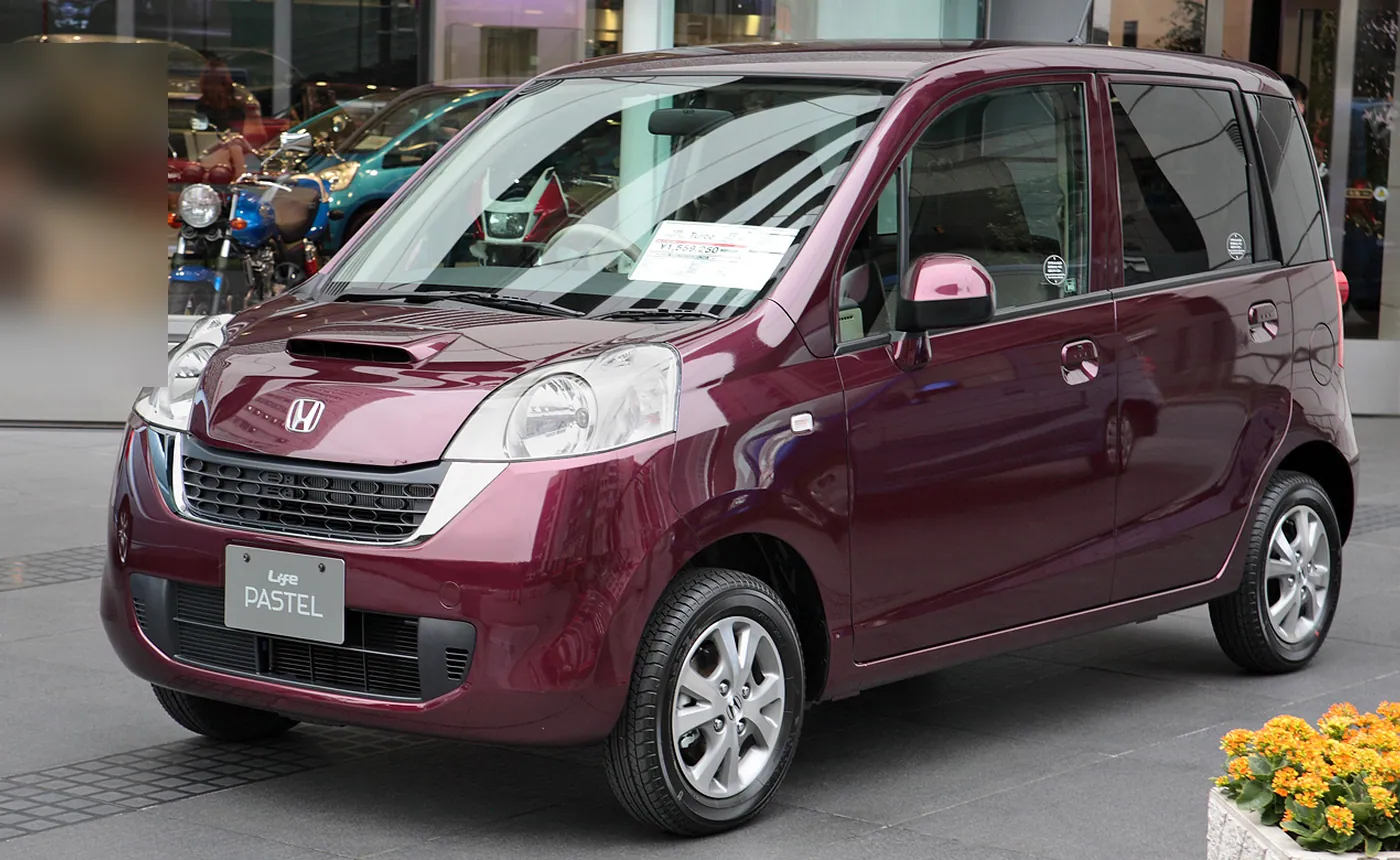
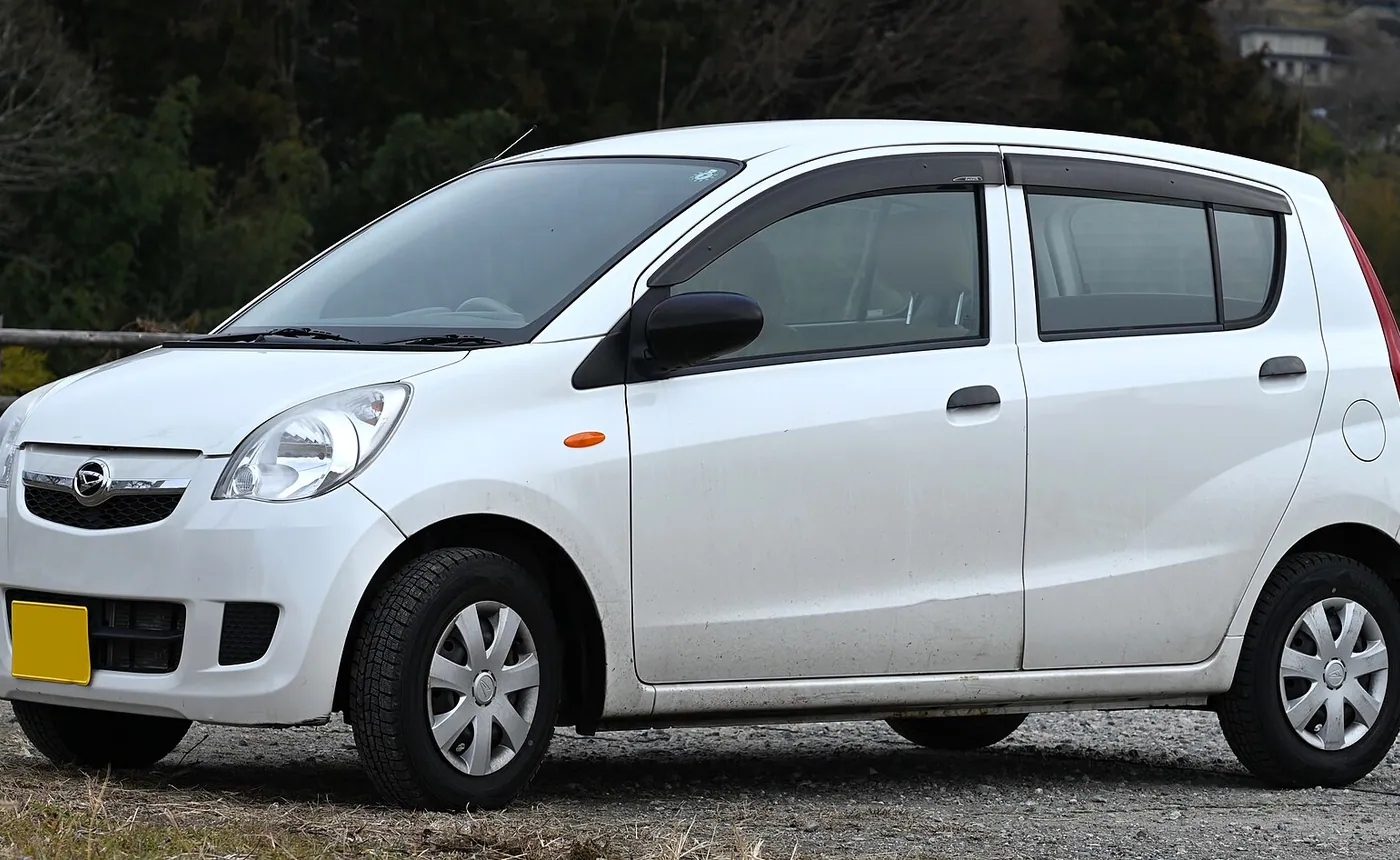
In short: In the three months to 19 September 2026, 3,278 Honda Lifes sold at Japanese auctions at a median of €252, against 2,700 Daihatsu Miras at €287. The Honda Life is the cheaper buy by about €34 at auction, before shipping, VAT, VRT and fees. Our verdict is at the end of this article.
Every country has its automotive furniture: the cars nobody notices because they are everywhere. In Japan, for many years, the Honda Life and the Daihatsu Mira were exactly that. They carried pensioners to the doctor, students to part-time jobs and families to the supermarket, and they were bought because they were sensible, not because anyone fell in love with them.
That is not a criticism. For an Irish buyer wanting a cheap, economical, reliable small car, especially as a first car or a second car for town, both are worth a look. They are plentiful at Japanese auctions and mechanically simple. The question is which one suits the way you drive.
Their differences are subtle but real. The Life is the taller, softer, slightly more grown-up car, and it was offered with a turbo. The Mira is lower, lighter and plainer, a car reduced to the essentials. One leans towards comfort, the other towards thrift.
The specs
| Honda Life | Daihatsu Mira | |
|---|---|---|
| Generation most imported | 4th gen (JC1/JC2), 2008–2014 | 8th gen (L275S/L285S), 2006–2018 |
| Engine | 658cc three-cylinder, NA or turbo | 658cc three-cylinder |
| Gearbox | Automatic | Automatic or manual |
| Drive | Front, or 4WD | Front, or 4WD |
| Seats | 4 | 4 |
| Length | 3,395 mm | 3,395 mm |
| Body | Tall 5-door hatchback | 5-door hatchback (3-door van versions) |
| Import duty to Ireland | 0% possible (Japan-built, with proof of origin) | 0% possible (Japan-built, with proof of origin) |
Where they fit
The Honda Life name goes back to 1971, and it was revived for a run of kei cars from 1997. The fourth and final generation, coded JC1 for front-wheel drive and JC2 for four-wheel drive, was sold from 2008 to 2014. It is a tall-ish hatchback, positioned between the low, budget kei cars and the boxy super-height models, and it was replaced by the N-WGN as Honda reorganised its kei range around the N-series.
The Mira is Daihatsu's long-running kei hatchback, with roots going back to 1980. The eighth generation, coded L275S and L285S, arrived in 2006 and stayed in production until 2018, overlapping with the more economical Mira e:S and the retro Mira Cocoa. It is the lower, simpler car of the two, with a conventional hatchback profile and a reputation as a no-frills runabout. Three-door van versions with a basic cabin were also sold, and some reach auctions.
How they drive
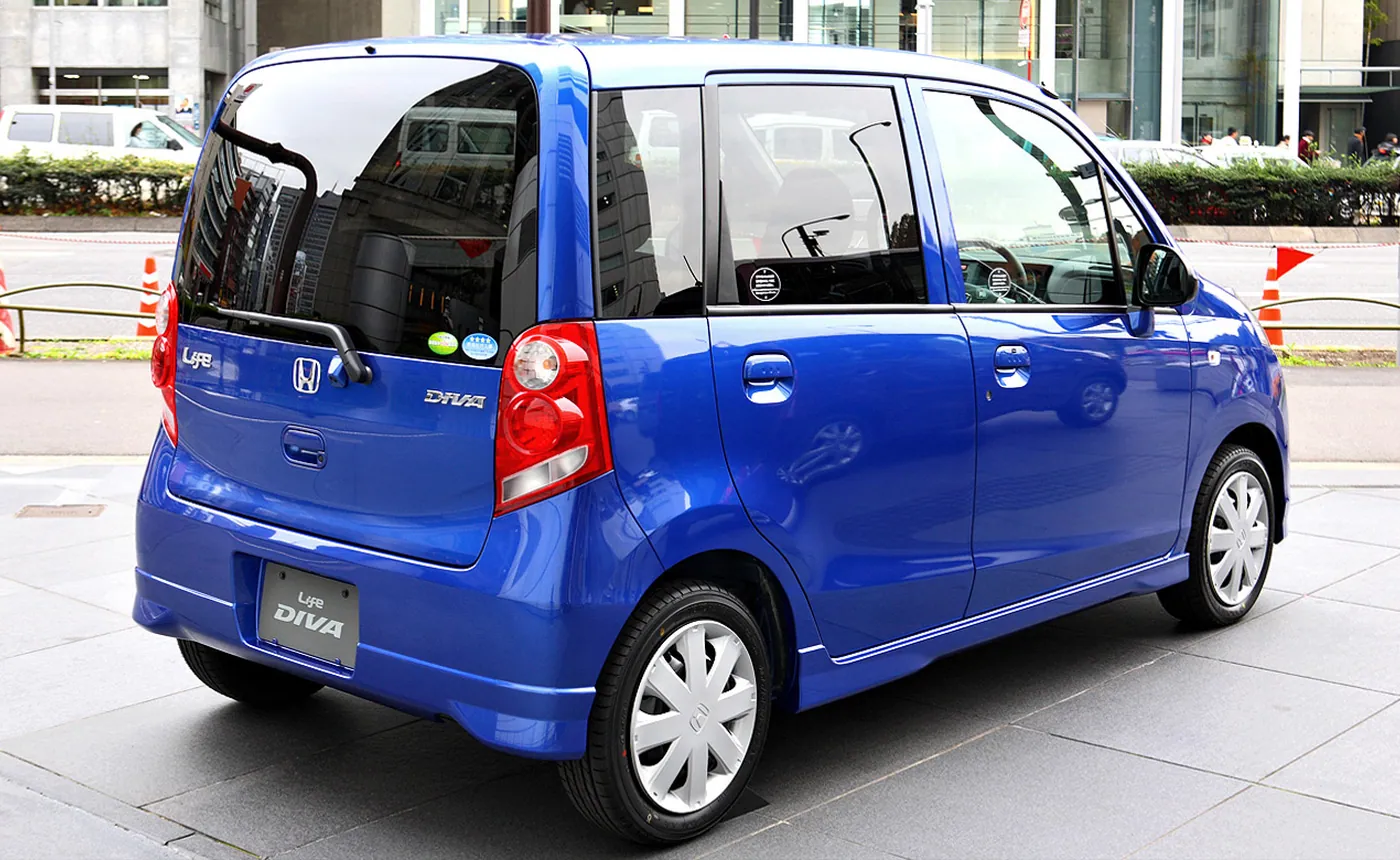
The Life is the more comfortable car. Its taller body and softer suspension make it feel more substantial, and the cabin is reasonably quiet at town speeds. The naturally aspirated engine is adequate in traffic but needs revs to keep pace on faster roads. The turbo version, found on the Diva grade, is much better suited to Irish motorways and N-roads, and worth seeking out.
The Mira is lighter and lower, which makes it feel nimble in town and a little less affected by crosswinds. Its engine is economical and keen, and with the manual gearbox it can be surprisingly enjoyable on a narrow country road. At motorway speeds it is noisy, as most kei cars are, and the ride can be choppy on poor surfaces.
Inside and practicality
The Life's taller body pays off inside, with good headroom front and rear and an upright seating position that suits drivers who dislike climbing down into a car. The dashboard is neatly designed and the materials, while basic, have generally aged well. The boot is small but usable, and the rear seats fold.
The Mira's cabin is simpler and lower. Front space is fine, rear space is acceptable for short trips and the boot is small. Materials are hard and plain, especially on lower grades and van versions, but they are durable and easy to clean after a muddy walk.
Running costs and reliability
Both cars are cheap to run. Fuel economy is good, particularly on the Mira, which is lighter. Both sit in the lowest CO2 bands, insurance is usually modest and parts are inexpensive.
Honda's engine in the Life and Daihatsu's KF engine in the Mira are both robust, with timing chains. The Life's automatic gearbox is simple and long-lived when its fluid is changed on schedule. The Mira was offered with several gearboxes over its long run, and the CVTs fitted to later cars need their fluid changed on time.
What to check at a Japanese auction
These are older cars now, so condition varies widely. Read the auction sheet for notes on rust, dents and interior wear. Grade 3.5 to 4 is typical; a grade 4 car with low mileage is worth seeking. Many were driven short distances by older owners, so low mileage is plausible, but gaps in the service record should be treated with caution.
Check the underbody notes for rust, especially on four-wheel-drive versions from snowy prefectures. Look for oil leaks, worn suspension bushes and noisy wheel bearings. On the Life turbo, make sure the engine has been serviced regularly. On the Mira, van versions may have had a hard working life, so check the load area and the seats.
The verdict
Buy the Honda Life if comfort, headroom and a slightly more grown-up feel matter to you. The turbo Diva is the pick for anyone who regularly leaves town.
Buy the Daihatsu Mira if you want the lightest, simplest and most economical option. It is the purer small car, better in a tight city and cheaper to run, and with a manual gearbox it has a cheerful character of its own.
Frequently asked questions
Which Honda Life is most common at auction?
The fourth generation, built from 2008 to 2014 and coded JC1 for front-wheel drive and JC2 for four-wheel drive.
Is there a turbo Honda Life?
Yes. The turbo was offered on the Diva grade and suits faster Irish roads much better than the standard engine.
Which is more economical?
The Mira. It is lighter and simpler, and it is the cheaper of the two to run.
Keep reading
- Toyota Townace Van vs Mazda Bongo Van: The Small Commercial Vans That Became Twins
- Daihatsu Hijet Cargo vs Nissan Clipper Van: Japan's Smallest Working Vans, Head to Head
- Subaru Legacy Touring Wagon vs Subaru Outback: One Family, Two Ideas of Adventure
- Honda Fit Shuttle Hybrid vs Nissan Wingroad: Two Small Estates, One Hybrid Advantage
- Toyota Probox vs Nissan AD Van: The Plain White Estates That Do Japan's Real Work
Photo credits
- Honda Life: Photo: Tennen-Gas / Wikimedia Commons, CC BY-SA 3.0
- Honda Life: Photo: Tennen-Gas / Wikimedia Commons, CC BY-SA 3.0
- Daihatsu Mira: Photo: TTTNIS / Wikimedia Commons, CC0