
Mercedes-Benz E-Class vs BMW 5 Series: The Executive Saloon Rivalry, Bought Used from Japan
For decades these two cars have defined the German executive saloon. Japanese-market examples, right-hand drive and often lightly used, make the old rivalry newly accessible.
By the Japan to Ireland editors · · 4 min read
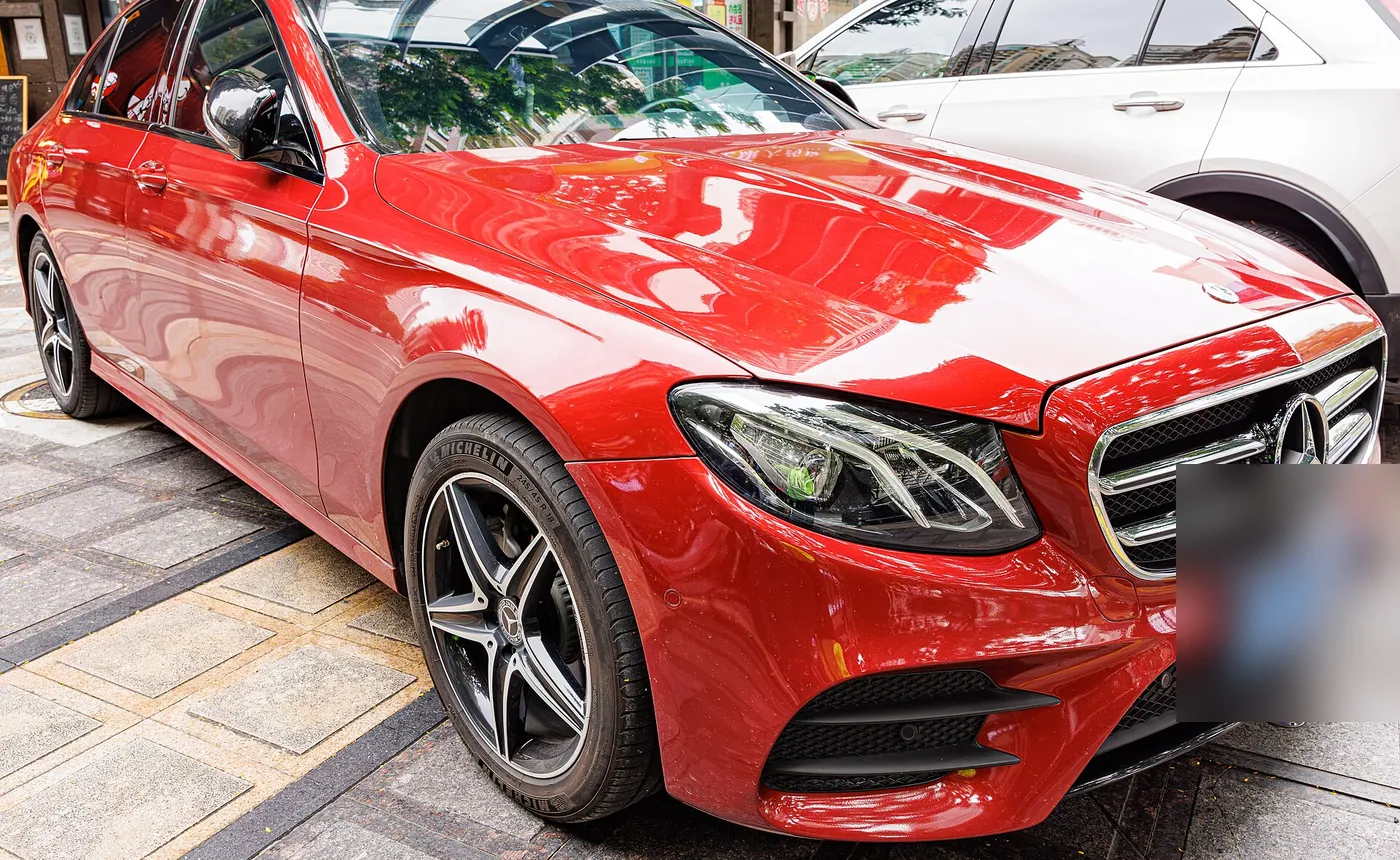
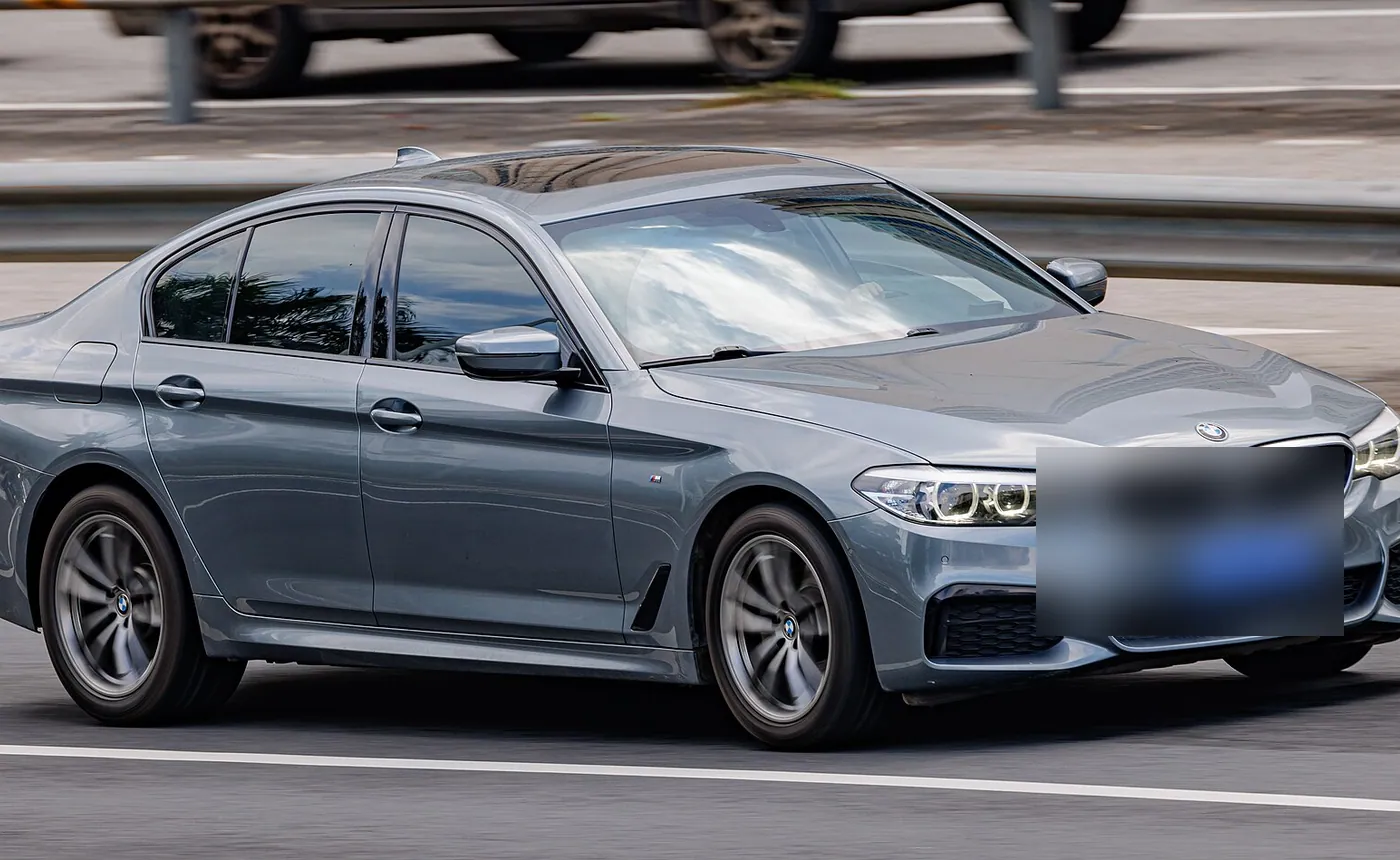
In short: In the three months to 19 September 2026, 1,131 Mercedes-Benz E-Classs sold at Japanese auctions at a median of €2,942, against 989 BMW 5 Seriess at €2,564. The BMW 5 Series is the cheaper buy by about €379 at auction, before shipping, VAT, VRT and fees. Our verdict is at the end of this article.
There are few rivalries in the motoring world as long-running as this one. The Mercedes-Benz E-Class and the BMW 5 Series have competed for the same buyers for decades: company directors, senior consultants and anyone who wanted a large, comfortable saloon with a badge that meant something.
In Japan, both cars are common and both are sold with right-hand drive. Many have been owned by older buyers or companies, driven gently and serviced at dealers. That makes Japan an attractive source for Irish buyers who want an executive car without the cost of buying new.
The generations most often found at Japanese auctions are the W213 E-Class, launched in 2016, and the G30 5 Series, launched in 2017. They are closely matched, and the choice comes down to what you value in a large car.
The specs
| Mercedes-Benz E-Class | BMW 5 Series | |
|---|---|---|
| Generation most imported | W213, 2016–2023 | G30, 2017–2023 |
| Engine(s) | 1.5/2.0 petrol; 2.0 diesel; plug-in hybrid | 2.0 petrol; 2.0 diesel; 3.0 petrol; plug-in hybrid |
| Gearbox | 9-speed auto | 8-speed auto |
| Drive | Rear, or 4MATIC AWD | Rear, or xDrive AWD |
| Seats | 5 | 5 |
| Length | About 4,925 mm | About 4,935 mm |
| Body styles | Saloon, estate, coupé, cabriolet | Saloon, Touring estate |
| Import duty to Ireland | 10% (not built in Japan) | 10% (not built in Japan) |
What each car stands for
The E-Class has always been about comfort and calm. The W213 continued that tradition with a smooth ride, a hushed cabin and a strong focus on safety technology. In Japan it was offered with a range of petrol engines, including a 1.5-litre with mild hybrid assistance on some later cars, a 2.0-litre diesel in the E220d, and a plug-in hybrid. Estate, coupé and cabriolet versions are also available.
The 5 Series has always placed more emphasis on driving. The G30 is lighter than its predecessor and offers precise steering and a balanced chassis. In Japan, the popular versions include the 523i petrol, the 523d diesel, the 530e plug-in hybrid and the six-cylinder 540i. The Touring estate is also sold in Japan.
How they drive
The E-Class is relaxing. It rides softly, especially on cars with air suspension, and it is very quiet on the motorway. The steering is light and accurate rather than engaging. It feels like a car designed to cover long distances with as little effort as possible.
The 5 Series is sharper. It turns into corners more eagerly, feels more agile and gives the driver more feedback. Its ride is firmer, especially on M Sport versions with large wheels, but it is still comfortable. On a winding road it is the more satisfying car; on a long motorway journey, the gap narrows.
Inside and practicality
The W213's interior is a highlight, with wide screens across the dashboard on most versions and a luxurious feel. The rear seat is spacious, and the boot is large. The estate version is very practical.
The 5 Series has a more traditional, driver-focused cabin. It is well built and uses BMW's iDrive controller, which many find easier to use while driving than touchscreens. Rear space and boot capacity are similar to the E-Class.
Japanese-market cars of both makes tend to be well specified. Leather, heated seats, adaptive cruise control and a full suite of driver-assistance systems are common even on mid-range grades, because the importers in Japan sold them as luxury cars rather than fleet cars. That is a real difference from many used examples in Ireland, which often began life as company cars in base trim. The catch is the navigation, which is usually Japanese and may not offer an English map, though phone mirroring solves most of that on later cars.
Running costs and reliability
Both cars are expensive to maintain compared with Japanese cars. Parts are widely available in Ireland, and independent specialists are common, but repairs can be costly.
The diesels in both cars are economical and suit long-distance driving. Plug-in hybrids sit in lower CO2 bands, which helps with VRT and motor tax, but they work best when charged regularly. Air suspension on the E-Class can be costly to repair when it fails, so check it carefully. BMW's newer four-cylinder diesel has a better reputation than the earlier engine it replaced, but both cars need consistent servicing.
What to check at a Japanese auction
Check the auction sheet for notes on warning lights, suspension faults and electrical issues, which are common remarks on older European cars. Look for cars with full dealer service records. Grade 4 cars with documented mileage are common.
For the E-Class, check the air suspension if fitted, and look for signs of uneven ride height. For the 5 Series, check for oil leaks and look at the condition of run-flat tyres on cars that have them. Rust is rarely a problem, but check the underside of cars from northern Japan. Confirm the navigation and infotainment can be switched to English.
The verdict
Buy the E-Class if comfort matters most and you want a car that makes long journeys feel effortless. It is the better choice for buyers who value a soft ride and a luxurious interior.
Buy the 5 Series if you enjoy driving and want a large saloon that feels agile and responsive. It is the more engaging car, and still a comfortable one.
Frequently asked questions
Which generations are most common at Japanese auctions?
The W213 E-Class from 2016 and the G30 5 Series from 2017 are the most commonly found.
Are Japanese-market E-Class and 5 Series cars right-hand drive?
Yes. Both were sold new in Japan with right-hand drive.
Which is more comfortable?
The E-Class, particularly with air suspension. The 5 Series is sportier.
Keep reading
- Mazda CX-8 vs Mazda CX-60: The Seven-Seat Family Hauler and the Six-Cylinder Upstart
- Subaru XV vs Subaru Crosstrek: Same Recipe, New Name, and a Few Changes That Actually Matter
- Mazda Roadster vs BMW Z4: The Lightweight Purist and the Powerful Grand Tourer
- Toyota 86 vs Subaru BRZ: Twins From the Same Factory, Separated by Suspension and Personality
- Daihatsu Wake vs Mitsubishi eK Space: How Tall Can a Kei Car Get Before It Stops Making Sense?
- Importing a Mercedes-Benz E-Class: prices and costs
- Importing a BMW 5 Series: prices and costs
Photo credits
- Mercedes-Benz E-Class: Photo: Dinkun Chen / Wikimedia Commons, CC BY-SA 4.0
- BMW 5 Series: Photo: Dinkun Chen / Wikimedia Commons, CC BY-SA 4.0