
Toyota 86 vs Subaru BRZ: Twins From the Same Factory, Separated by Suspension and Personality
Built together by Subaru in Gunma, the 86 and the BRZ share a boxer engine, a chassis and a rear-wheel-drive philosophy. The differences are small, but they matter to the people who care.
By the Japan to Ireland editors · · 4 min read
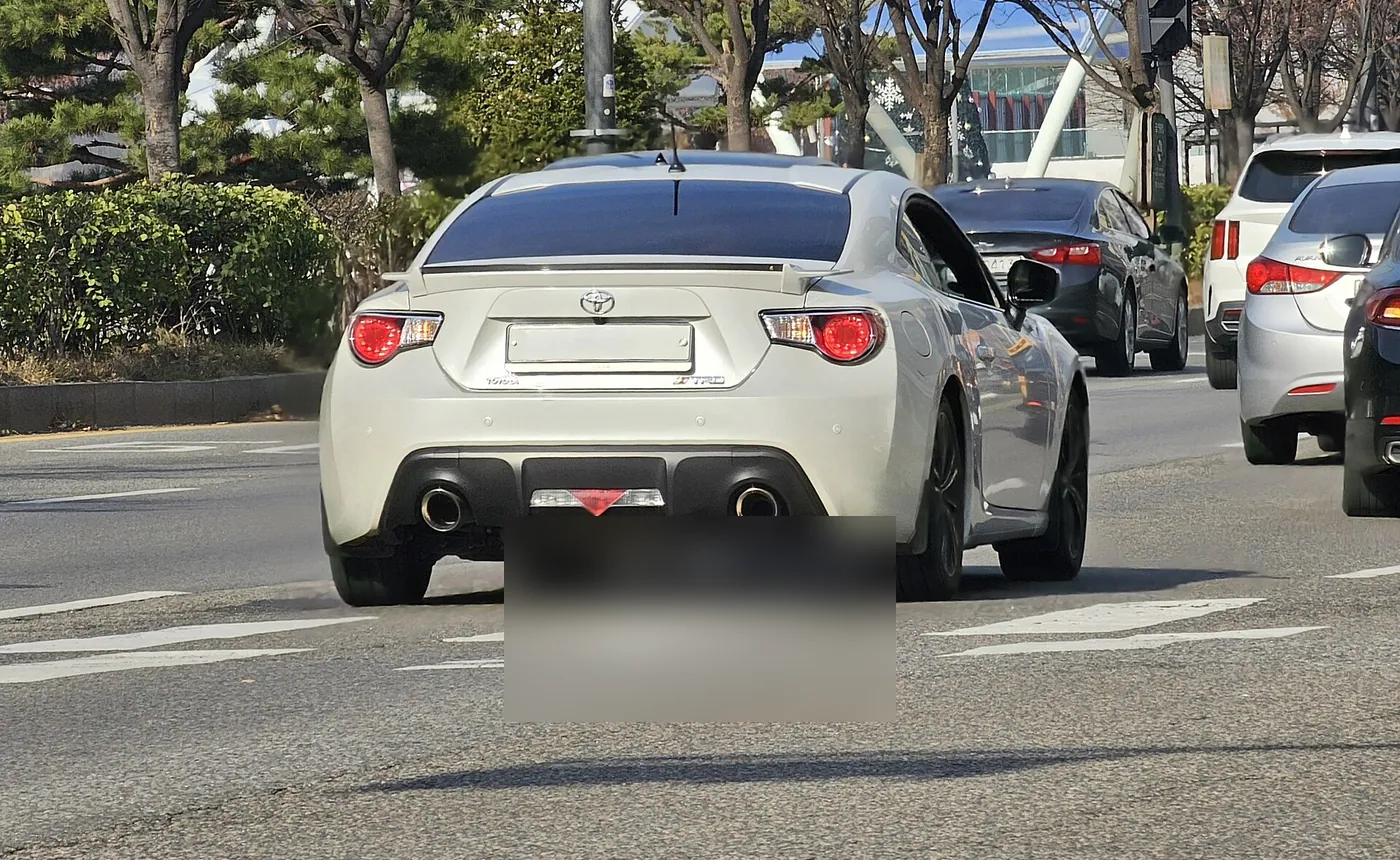
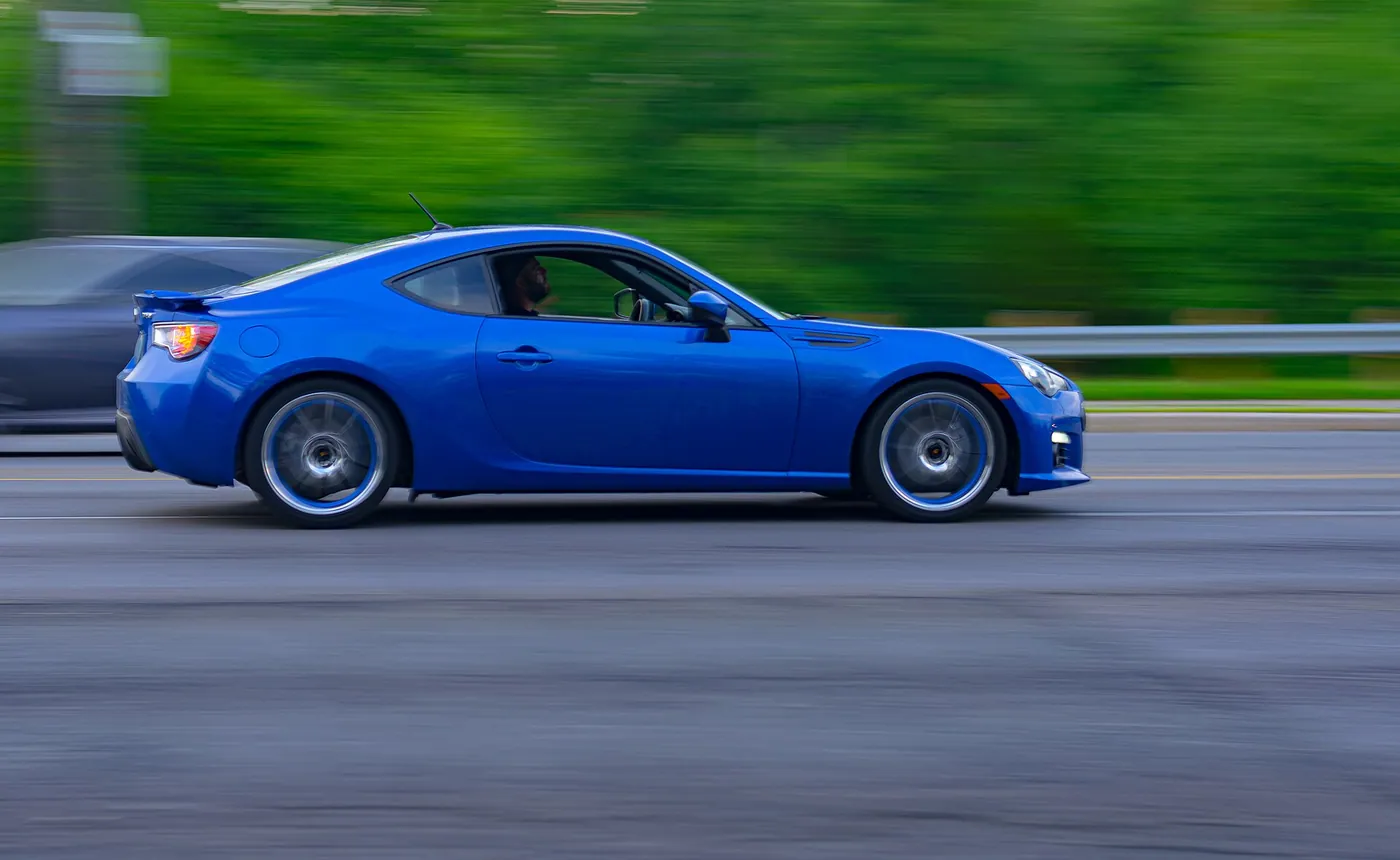
In short: In the three months to 19 September 2026, 1,098 Toyota 86s sold at Japanese auctions at a median of €6,711, against 432 Subaru BRZs at €8,302. The Toyota 86 is the cheaper buy by about €1,592 at auction, before shipping, VAT, VRT and fees. Our verdict is at the end of this article.
The Toyota 86 and the Subaru BRZ are rare examples of two rival companies working together to build a car that neither would have built alone. Toyota wanted an affordable rear-wheel-drive sports car; Subaru had the flat-four boxer engine and the factory. The result, launched in 2012, was a pair of coupés built side by side at Subaru's plant in Gunma.
They are almost identical. Both use the same 2.0-litre boxer engine, a low centre of gravity and rear-wheel drive. Both were designed to be light, balanced and fun on normal roads rather than fast in a straight line.
For Irish buyers, the question is not which car is better. It is which car suits your taste, because the differences are mostly in tuning and trim. This comparison focuses on the first generation, which is by far the most common at Japanese auctions.
The specs
| Toyota 86 | Subaru BRZ | |
|---|---|---|
| Generation most imported | 1st gen (ZN6), 2012–2021 | 1st gen (ZC6), 2012–2020 |
| Engine | 2.0 boxer petrol (FA20) | 2.0 boxer petrol (FA20) |
| Power | About 200 PS (207 PS on later manuals) | About 200 PS (207 PS on later manuals) |
| Gearbox | 6-speed manual or 6-speed auto | 6-speed manual or 6-speed auto |
| Drive | Rear | Rear |
| Seats | 2+2 | 2+2 |
| Length | About 4,240 mm | About 4,240 mm |
| Import duty to Ireland | 0% possible (Japan-built, with proof of origin) | 0% possible (Japan-built, with proof of origin) |
Where the differences lie
The two cars were tuned differently from the start. Toyota set up the 86 to be more playful, with a tendency to let the rear step out at the limit. Subaru set up the BRZ to be more stable and planted. The differences are subtle on the road but noticeable when pushed.
Styling differs only in details: bumpers, lights and badges. Trim levels and equipment vary by year and grade, and both received a facelift in 2016 with revised suspension, a slightly more powerful engine on manual cars and an updated interior.
A second generation arrived in 2021 with a larger 2.4-litre engine, sold as the GR86 and the new BRZ. These are newer and less common at auction.
How they drive
Both cars are a pleasure. The steering is precise, the chassis is balanced, and the car feels light and responsive. The engine needs to be revved to deliver its best, and there is a well-known dip in torque in the mid-range, but the car rewards a committed driver.
The 86 feels slightly more lively and adjustable. The BRZ feels slightly more composed. On a wet Irish road, many drivers will appreciate the BRZ's extra stability; on a dry track day, some will prefer the 86. The manual gearbox is the better choice for enthusiasts, but the automatic is adequate for everyday use.
Inside and practicality
The cabins are almost the same. The driving position is low and excellent, the seats are supportive, and the controls are simple. The rear seats are tiny and suitable only for small children or extra luggage. The boot is small but usable, and the rear seat folds to carry a set of spare wheels, a feature popular with track-day drivers.
Materials are basic, especially in early cars. The facelift improved the interior somewhat, but neither car feels luxurious.
As daily transport in Ireland, they are more usable than they look. The ride is firm but not harsh, visibility is reasonable for a coupé, and the boot takes a weekly shop. Insurance is the bigger question, since a rear-wheel-drive sports coupé will cost more to insure than a hatchback of similar value, particularly for younger drivers. It is worth getting a quote before bidding. Winter tyres or good all-season tyres also make a real difference to how these cars behave on cold, wet roads, where the standard tyres can feel nervous.
Running costs and reliability
Both cars are reasonably cheap to run for sports cars. The 2.0 engine is not particularly economical, and the cars sit in middling tax bands, but servicing is simple and parts are widely available.
Reliability is generally good. Early cars were subject to a valve spring recall, so check it has been completed. The engine can have minor oil leaks, and the clutch may wear quickly on cars used hard. Many cars have been modified, which can affect reliability.
What to check at a Japanese auction
Check the auction sheet for notes on modifications, accident damage and track use, which are common with these cars. Look for unmodified cars with documented mileage, ideally grade 4 or higher.
Check the clutch and gearbox on manual cars, and look for signs of oil leaks around the engine. Check for rust on older cars, though it is rare on cars from most of Japan. Confirm that the valve spring recall has been carried out on early cars.
The verdict
Buy the 86 if you want a slightly more playful car that rewards an enthusiastic driver. It is the more popular of the two and is easier to find at auction.
Buy the BRZ if you prefer a slightly more stable, planted feel, especially on wet roads. It is the more composed car, and just as much fun. Either way, choose an unmodified car with a manual gearbox if you can.
Frequently asked questions
Are the Toyota 86 and Subaru BRZ the same car?
They share the same engine, chassis and factory, but have different suspension tuning, styling details and trim.
Which is more common at Japanese auctions?
The Toyota 86 is generally more common than the BRZ.
Should I buy a manual or an automatic?
The manual is better for enthusiasts. The automatic is fine for everyday driving.
Keep reading
- Mazda Roadster vs BMW Z4: The Lightweight Purist and the Powerful Grand Tourer
- Mercedes-Benz E-Class vs BMW 5 Series: The Executive Saloon Rivalry, Bought Used from Japan
- BMW X1 vs Audi Q3: Two German Crossovers That Spent Their Early Years in Tokyo Traffic
- Toyota Corolla Sport vs Mazda3: The Sensible Hatchback Meets the Beautiful One
- Toyota Voxy vs Toyota Noah: Twins With Different Faces, and Why It Still Matters
- Importing a Toyota 86: prices and costs
Photo credits
- Toyota 86: Photo: Damian B Oh / Wikimedia Commons, CC BY-SA 4.0
- Subaru BRZ: Photo: Fabian Roudra Baroi / Wikimedia Commons, CC BY-SA 4.0