
Nissan GT-R vs Lexus LC: Japan's Two Flagship Performance Cars, and Two Ideas of Speed
The GT-R is a technical weapon built to destroy lap times. The LC is a grand tourer built to be looked at. Both are Japanese icons, and they ask very different things of their owners.
By the Japan to Ireland editors · · 4 min read
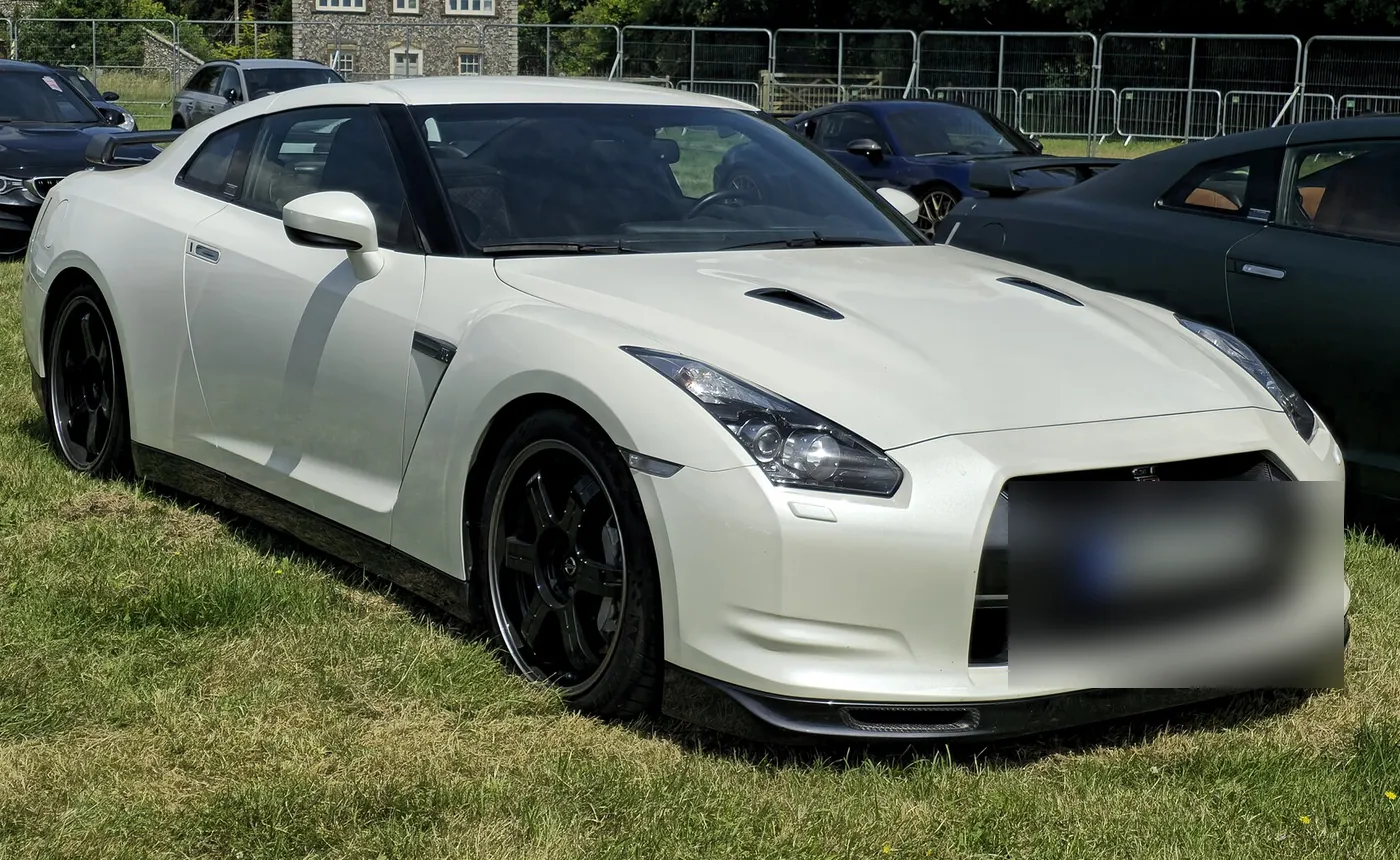
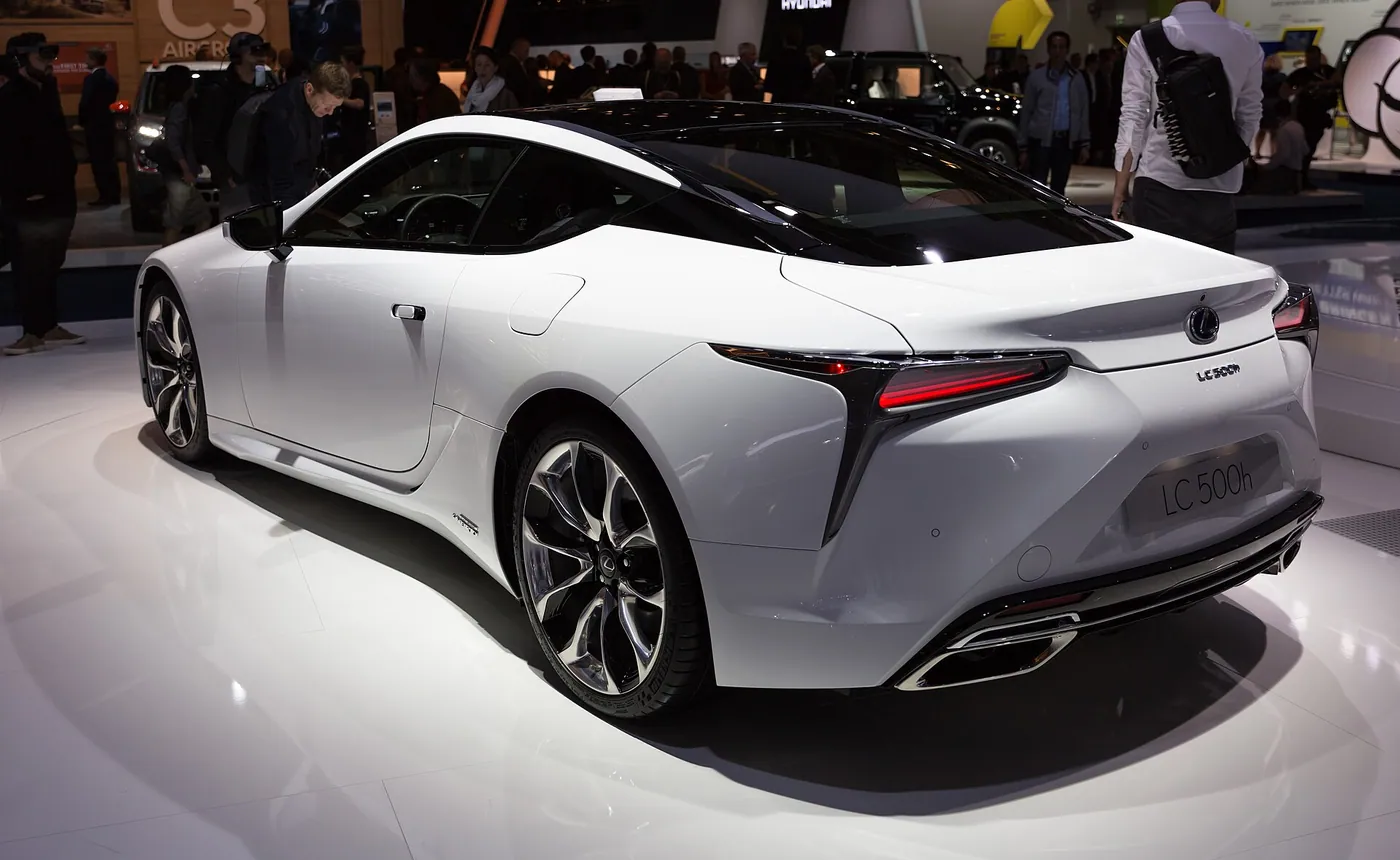
In short: In the three months to 19 September 2026, 87 Nissan GT-Rs sold at Japanese auctions at a median of €79,094, against 142 Lexus LCs at €49,338. The Lexus LC is the cheaper buy by about €29,756 at auction, before shipping, VAT, VRT and fees. Our verdict is at the end of this article.
Few cars say as much about modern Japanese engineering as the Nissan GT-R and the Lexus LC, and few say such different things. The GT-R, in its R35 form, went on sale in 2007 and stayed in production until 2025, an extraordinary run for a performance car. The LC arrived in 2017 as the Lexus flagship coupé, built partly to prove that the brand could make something emotional rather than merely excellent.
Both appear at Japanese auctions, both are right-hand drive, and both are serious, expensive machines. One is built to be as fast as possible on any road in any weather. The other is built to cover great distances beautifully.
The specs
| Nissan GT-R | Lexus LC | |
|---|---|---|
| Generation most imported | R35, 2007–2025 | LC 500 and LC 500h, 2017 on |
| Engine | 3.8 twin-turbo V6 | 5.0 V8 (LC 500) or 3.5 V6 hybrid (LC 500h) |
| Power | 480 PS at launch, 570 PS from 2017 model year | 477 PS (LC 500), 359 PS system (LC 500h) |
| Gearbox | 6-speed dual-clutch transaxle | 10-speed automatic (LC 500), Multi Stage Hybrid (LC 500h) |
| Drive | AWD | Rear |
| Seats | 2+2 | 2+2 |
| Length | 4,710 mm | 4,770 mm |
| Body | Coupé | Coupé or convertible |
| Import duty to Ireland | 0% possible (Japan-built, with proof of origin) | 0% possible (Japan-built, with proof of origin) |
Two philosophies
The GT-R was conceived as a giant-killer. Its 3.8-litre twin-turbocharged V6 is assembled by hand, each engine by a single technician. The gearbox sits at the rear in a transaxle with the differential, and the all-wheel-drive system sends torque forward when the rear tyres need help. Over its long life Nissan refined it constantly: power rose from 480 PS at launch to 570 PS from the 2017 model year, and the cabin was substantially updated at the same point. Nismo versions went further still.
The LC is a front-engined, rear-wheel-drive grand tourer. The LC 500 uses a naturally aspirated 5.0-litre V8 and a ten-speed automatic. The LC 500h pairs a 3.5-litre V6 with Lexus's Multi Stage Hybrid system, which adds a four-speed gearset to the familiar hybrid layout. A convertible arrived in 2020. The body, with its long bonnet and pinched glasshouse, stayed remarkably close to the concept car that previewed it.
How they drive
The GT-R is fast in a way that rearranges your sense of what a road car can do. Its acceleration is savage and its grip is enormous, and in the wet, where its all-wheel drive comes into its own, it is faster than almost anything it meets. It is also loud, firm and mechanical. The gearbox clunks and whirs at low speed, the ride is stiff over broken surfaces and the car never quite relaxes.
The LC is quieter and more measured. The V8 sings all the way to its limit, a sound that has become rare as rivals turned to turbochargers, and the ten-speed gearbox is quick and smooth. The ride is firm but well damped, and the car feels balanced rather than frantic. The hybrid is smoother and more economical, with less drama. Neither LC is slow, but both are made for a long road rather than a racetrack.
Inside and practicality
The GT-R's interior is functional, and earlier cars feel their age in their plastics and screens. The rear seats are tiny, fit for small children or a briefcase. The boot is respectable for a car of this type.
The LC's cabin is one of the finest Lexus has made, with deeply stitched leather, intricate door trims and a low driving position that feels special every time. Its rear seats are just as token, and the boot is small. The hybrid's battery takes a little more of it.
Running costs and reliability
Neither is a cheap car to own. Fuel use is high in the GT-R and the LC 500, both sit in high CO2 bands for VRT and motor tax, and insurance for the GT-R in particular needs to be checked before bidding. The LC 500h is less thirsty, though it is still a heavy, powerful car.
The GT-R demands specialist care. Its transmission needs fluid changes on a strict schedule and is expensive to repair if neglected, and its brakes and tyres wear quickly when used hard. The LC benefits from the Lexus reputation for durability, and its V8 is a proven engine shared with other Lexus performance models.
What to check at auction
For the GT-R, service history and modification matter more than almost anything. Many Japanese GT-Rs have been tuned, and while some work is done well, much of it makes a car harder to register, insure and maintain. Read auction sheet notes for aftermarket parts, look for signs of track use such as heavily worn tyres and brake components, and prefer standard cars with full records.
For the LC, check for kerbed wheels, tyre condition and any warning-light notes, and look closely at the leather on the driver's seat bolster. Prefer grade 4 or better for both.
The verdict
Buy the GT-R if you want one of the fastest, most capable performance cars of its era and you accept its firm ride, mechanical noise and specialist maintenance. It is a car for enthusiasts who enjoy engineering as much as speed.
Buy the LC if you want a beautiful, refined grand tourer with a magnificent naturally aspirated V8 and Lexus reliability. It is the better car for long Irish drives, and the one you will keep turning back to look at in a car park.
Frequently asked questions
Is the GT-R or the LC faster?
The GT-R, clearly, in acceleration and on a track. The LC is fast but built for touring.
Which is more reliable?
The LC, generally. The GT-R is durable when properly maintained but needs specialist care.
Is there a convertible version?
The LC has been available as a convertible since 2020. The R35 GT-R is coupé only.
Keep reading
- Mercedes-Benz GLC vs BMW X3: Comfort Against Agility in the German Mid-Size SUV Class
- Subaru Stella vs Daihatsu Move Conte: Two Small Cars From One Factory, With Very Different Moods
- Mercedes-Benz V-Class vs Toyota Hiace Wagon: The Executive Shuttle and the Workhorse With Windows
- Toyota SAI vs Lexus HS 250h: Twin Hybrid Saloons That Japan Kept to Itself
- Toyota Corolla Cross vs Honda ZR-V: Two Nearly New Hybrid Crossovers, Two Temperaments
Photo credits
- Nissan GT-R: Photo: Calreyn88 / Wikimedia Commons, CC BY-SA 4.0
- Lexus LC: Photo: Matti Blume / Wikimedia Commons, CC BY-SA 4.0