
BMW X1 vs Audi Q3: Two German Crossovers That Spent Their Early Years in Tokyo Traffic
Japan buys a surprising number of compact German SUVs, and sells them on young. The X1 and the Q3 are the two most often found side by side, and they are more different than their brochures suggest.
By the Japan to Ireland editors · · 5 min read
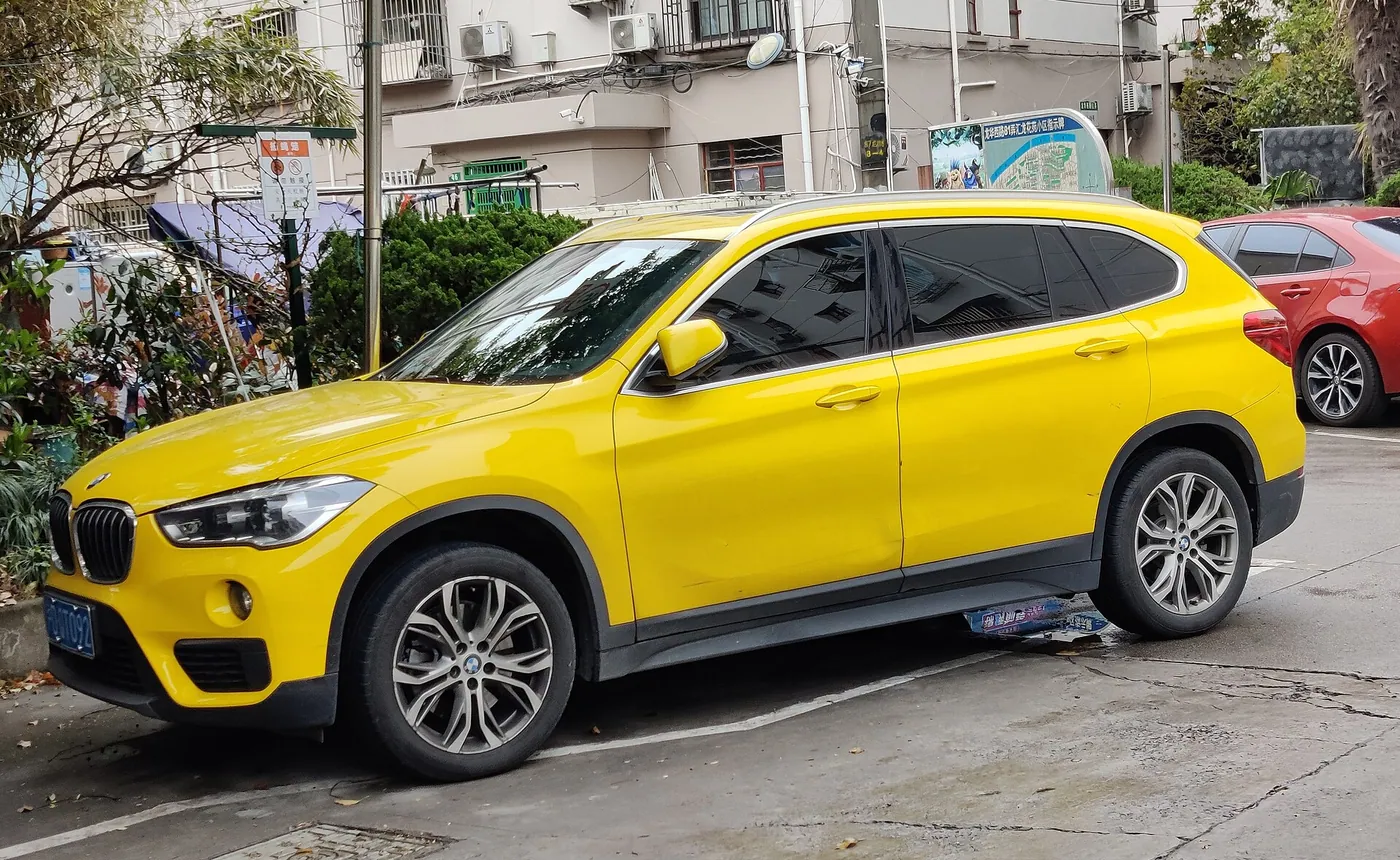
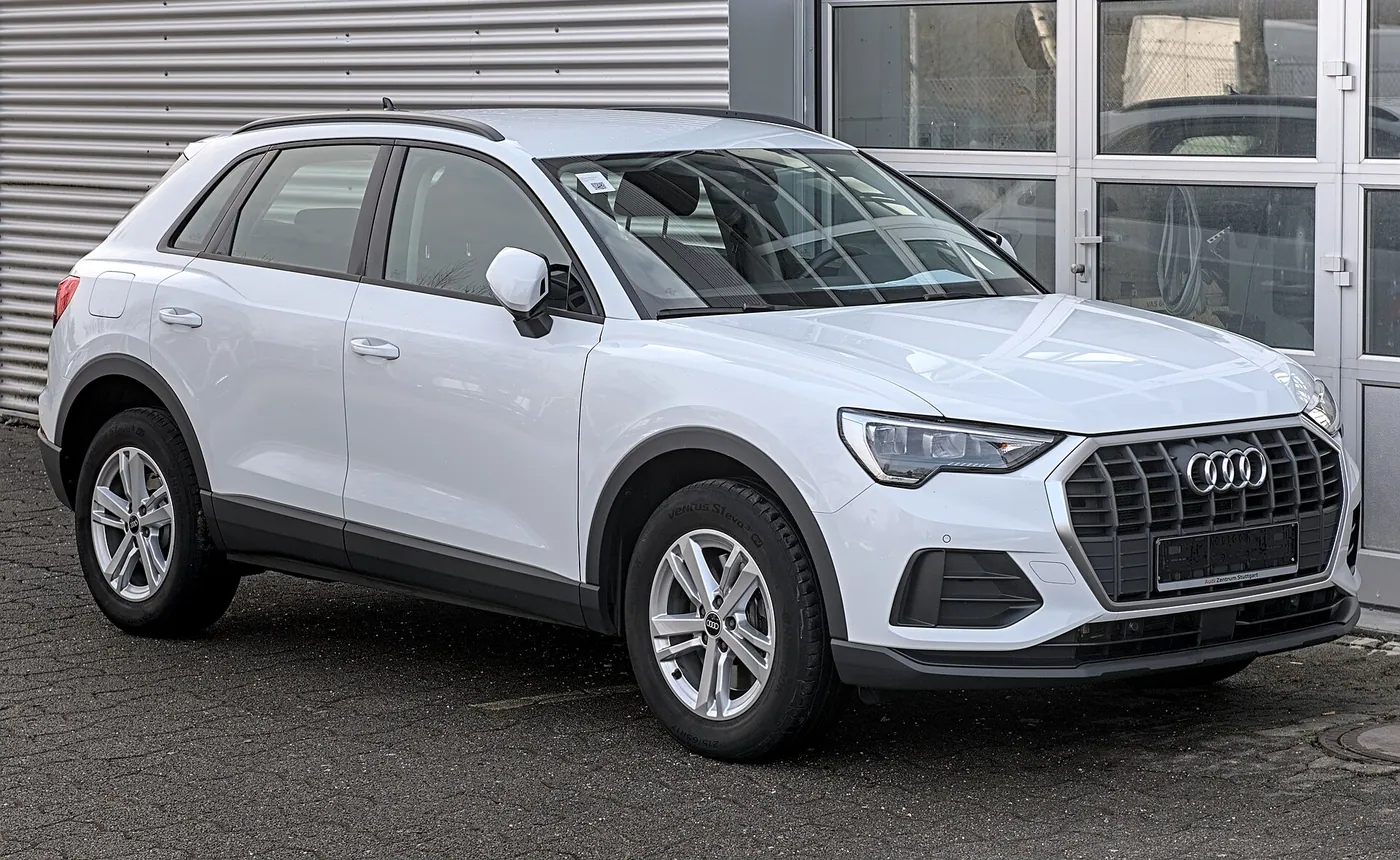
In short: In the three months to 19 September 2026, 1,103 BMW X1s sold at Japanese auctions at a median of €4,875, against 543 Audi Q3s at €7,944. The BMW X1 is the cheaper buy by about €3,069 at auction, before shipping, VAT, VRT and fees. Our verdict is at the end of this article.
German cars in Japan live a peculiar life. They are bought new by people who like the badge, driven gently on smooth, salt-free roads, serviced at the dealer and then traded in before the second or third shaken inspection makes them expensive to keep. The result is a steady stream of tidy, low-mileage, right-hand-drive European cars arriving at Japanese auctions, and the BMW X1 and Audi Q3 are among the most common.
Both are compact premium SUVs aimed at the same buyer: someone who wants a raised driving position and a smart cabin without the bulk of an X3 or a Q5. For an Irish buyer the appeal is obvious. These are familiar cars here, sold new through Irish dealers, with parts and know-how on every main road. The Japanese versions simply tend to have had an easier life.
The comparison here is between the second-generation X1, known internally as F48 and built from 2015 to 2022, and the Q3, where the newer second generation reached Japan in 2020 and the original model still turns up in good numbers.
The specs
| BMW X1 | Audi Q3 | |
|---|---|---|
| Generation most imported | 2nd gen (F48), 2015–2022 | 2nd gen (F3), Japan from 2020; 1st gen (8U) also common |
| Typical engines | 1.5 petrol turbo, 2.0 diesel, 2.0 petrol turbo | 1.5 petrol turbo, 2.0 diesel |
| Gearbox | Automatic (dual-clutch or torque converter, by version) | 7-speed S tronic dual-clutch |
| Drive | Front (sDrive) or xDrive AWD | Front, or quattro AWD |
| Seats | 5 | 5 |
| Steering | Right-hand drive | Right-hand drive |
| Tyres | Run-flats common | Conventional tyres common |
| Import duty to Ireland | 10% (not built in Japan) | 10% (not built in Japan) |
Two different ideas of a small SUV
The F48 X1 was a turning point for BMW. The first X1 was rear-wheel drive and felt like a tall estate. The second moved to a front-wheel-drive platform shared with the Mini Countryman and the 2 Series Active Tourer, with xDrive all-wheel drive as an option. Purists grumbled, but the car became roomier, more upright and more useful.
Audi took a more conservative route. The Q3 was always front-wheel drive at heart, using the Volkswagen Group's transverse-engine parts, and the second generation grew in every direction while adopting the digital Virtual Cockpit and a sharper, more angular design. It looks more like a scaled-down Q8 than its predecessor did.
On the road
The X1 is the more eager car. The steering is quick and heavy for the class, the body stays flat in roundabouts, and even the three-cylinder sDrive18i has a slightly gruff enthusiasm about it. Many Japanese cars ride on run-flat tyres, though, and on a patched-up Irish regional road that firmness is noticeable. Swapping to conventional tyres with a repair kit is a common change.
The Q3 is quieter and smoother. Its ride is softer, its cabin better insulated, and the 1.5-litre petrol engine can shut down two cylinders on a light throttle to save fuel. It is less interesting through a series of bends but more relaxing on the M50 at the end of a long day. The diesel quattro versions add a reassuring sense of grip in heavy rain.
Inside and practicality
BMW gave the F48 a tall roof, a high seating position and, on many versions, a rear bench that slides fore and aft. Rear headroom is generous, and the boot is a usable square shape. The dashboard is plainer than the Audi's, with an iDrive screen perched on top, but the controls are logical and the rotary dial works well on the move.
The second-generation Q3 also has a sliding rear seat, and its boot is a match for the BMW's. Where it pulls ahead is presentation. The digital instrument panel, crisp materials and neat switchgear make it feel a class above. The first-generation Q3 is noticeably tighter in the back and older inside, which is worth remembering if the cheaper example on the list is the 8U.
Running costs and reliability
Neither car is as cheap to keep as a Japanese crossover, and both reward a good independent specialist over main-dealer rates. The smaller petrol engines in both are economical, and both cars sit in moderate CO2 bands rather than the punishing upper ones.
The BMW's diesel is the one to think hardest about. It is efficient on long runs, but diesel particulate filters on cars used for short Japanese city trips can be clogged with soot, and the problem only gets worse with more short trips in Ireland. On the Audi, the dual-clutch gearbox is the part to watch: these units are generally sound, but a jerky low-speed engagement can point to costly mechatronic trouble.
What to check at a Japanese auction
Grade 4 and 4.5 cars are plentiful for both, so there is little reason to gamble on a grade 3. Read the inspector's notes for kerbed wheels, which are common on cars used in tight city car parks, and for interior wear on the driver's side bolster.
Ask for the service record booklet. Japanese dealer-maintained German cars usually have stamped histories, and a gap is a reason to pass. On the X1, check the condition of the run-flat tyres and look for warning lights in the condition report. On the Q3, look for notes about the gearbox and confirm the infotainment works in English, since the menus will arrive in Japanese and some features need a coding change. Rust is rarely a problem on either, though a car from Japan's snowy north deserves a look underneath.
The verdict
Buy the BMW X1 if you enjoy driving and want the more spacious, more upright cabin. It is the better car for a family that fills the back seat and the boot, and the sharper one on a twisting road.
Buy the Audi Q3 if comfort and finish matter more than handling. The second-generation car in particular is the quieter, more refined companion for long Irish motorway runs, and its cabin feels the more expensive of the two.
Frequently asked questions
Is the Japanese BMW X1 the same as the Irish one?
It is the same F48 car built for right-hand-drive markets. Equipment and menus differ, and many Japanese cars have run-flat tyres.
Which is more reliable, the X1 or the Q3?
Both are sound when serviced properly. Watch the diesel particulate filter on the BMW and the dual-clutch gearbox on the Audi.
Can I change the infotainment language to English?
Usually yes, though on some cars it needs a coding change by a specialist after import.
Which has more rear space?
The X1 has the airier back seat. The second-generation Q3 is close; the first-generation Q3 is tighter.
Keep reading
- Toyota 86 vs Subaru BRZ: Twins From the Same Factory, Separated by Suspension and Personality
- Mazda Roadster vs BMW Z4: The Lightweight Purist and the Powerful Grand Tourer
- Toyota Corolla Sport vs Mazda3: The Sensible Hatchback Meets the Beautiful One
- Mitsubishi Eclipse Cross vs Toyota C-HR: Two Coupé-Crossovers With Very Different Engineering Under the Skin
- Honda S660 vs Daihatsu Copen: Two Tiny Roadsters, One Big Difference in Philosophy
- Importing a BMW X1: prices and costs
- Importing a Audi Q3: prices and costs
Photo credits
- BMW X1: Photo: Zotyefan / Wikimedia Commons, CC BY-SA 4.0
- Audi Q3: Photo: Alexander Migl / Wikimedia Commons, CC BY-SA 4.0