
Suzuki Swift vs Nissan March: The Featherweight and the Familiar Face
One is a light, eager little hatchback that rewards a good road. The other is the Micra Ireland already knows, built for easy town miles. They suit very different drivers.
By the Japan to Ireland editors · · 4 min read
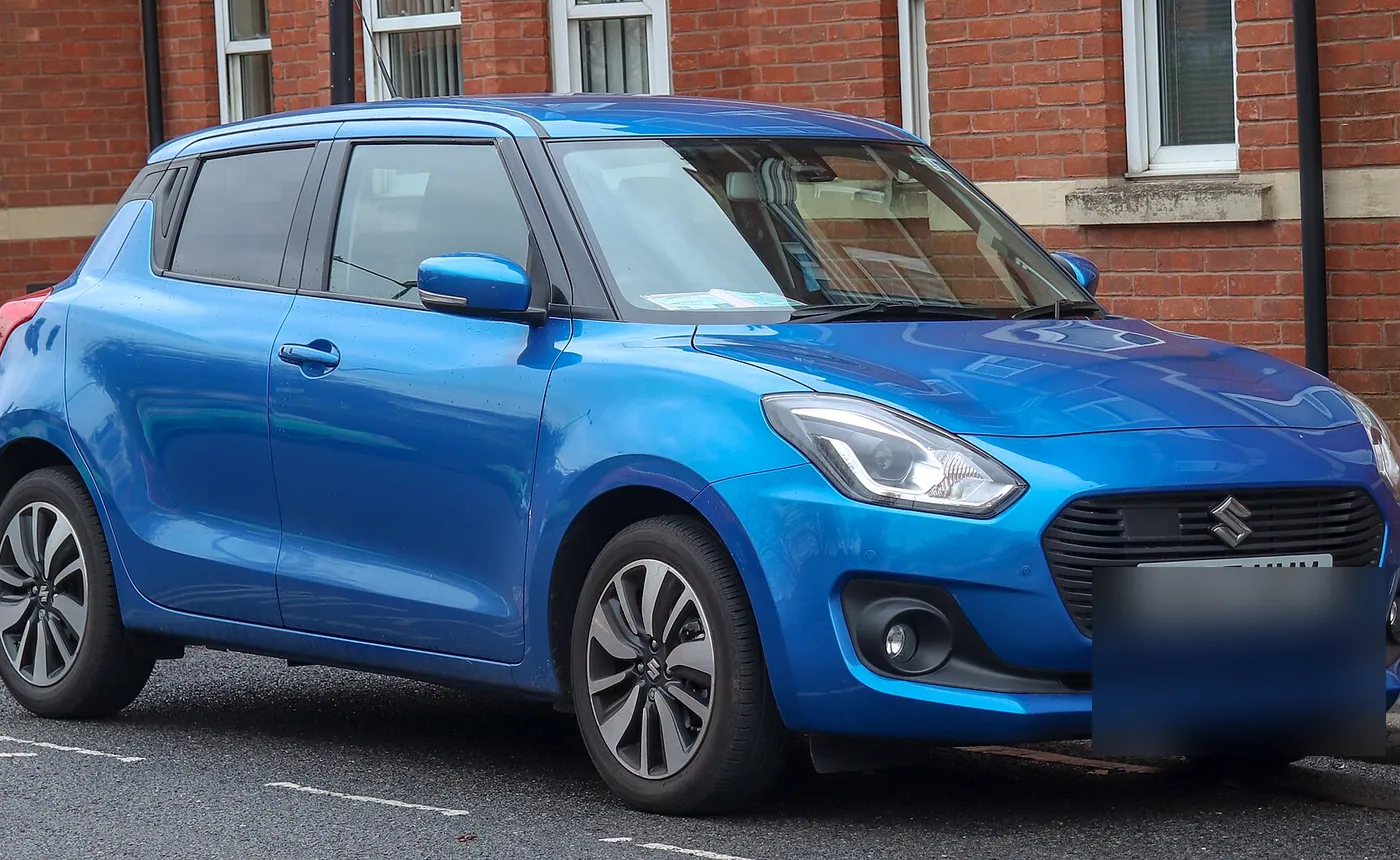
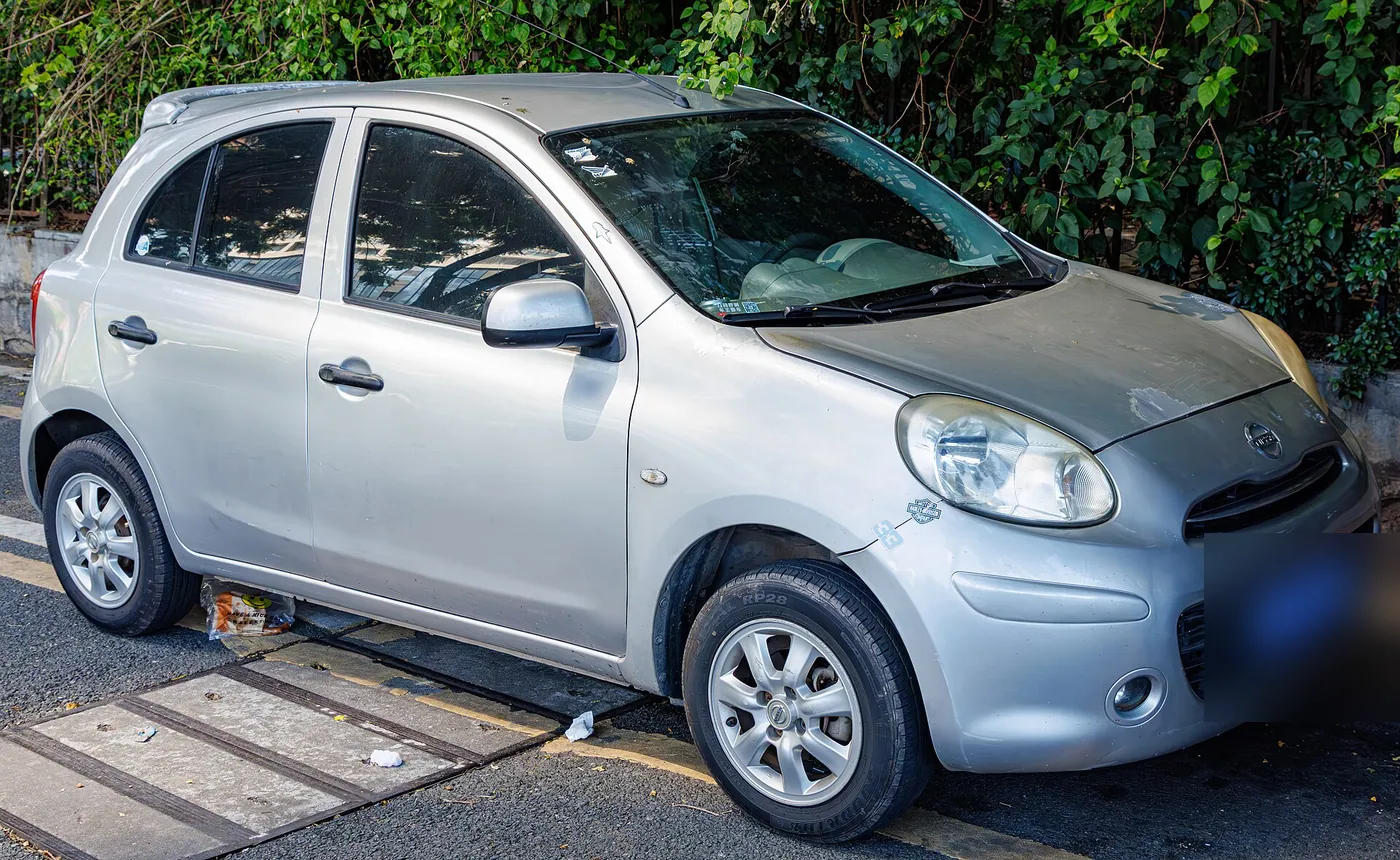
In short: In the three months to 19 September 2026, 4,480 Suzuki Swifts sold at Japanese auctions at a median of €1,116, against 2,766 Nissan Marchs at €436. The Nissan March is the cheaper buy by about €680 at auction, before shipping, VAT, VRT and fees. Our verdict is at the end of this article.
Small hatchbacks are the cars Japanese auctions sell by the thousand and the cars Irish buyers often overlook. They lack the novelty of a kei car or the status of a crossover. Yet for a city commuter or a second car in a rural household, a good one is about as close to perfect value as motoring gets.
The Suzuki Swift and the Nissan March sit at the centre of that market. The Swift most often imported is the fourth generation, launched in Japan at the start of 2017 on a new, very light platform. The March is the K13, built in Thailand for the Japanese market from 2010 and sold in Ireland as the Micra until it was replaced in Europe. Japan kept selling the March for more than a decade, which is why so many are available.
They are similar in size and broadly similar in purpose. They are not similar in character, and that difference should decide which one you buy.
The specs
| Suzuki Swift | Nissan March | |
|---|---|---|
| Generation most imported | 4th gen (ZC83/ZD83 and others), 2017–2023 | 4th gen (K13), 2010–2022 |
| Engines | 1.2 petrol, 1.2 mild hybrid, 1.4 turbo in Swift Sport | 1.2 three-cylinder petrol, 1.5 in Nismo S |
| Power (main versions) | 91 PS | 79 PS |
| Gearbox | CVT or 5-speed manual, 6-speed in Sport | CVT, 5-speed manual in Nismo S |
| Drive | Front, or 4WD | Front, or 4WD on some grades |
| Seats | 5 | 5 |
| Sold new in Ireland as | Suzuki Swift | Nissan Micra |
| Kerb weight | Often under 900 kg | Roughly 950 kg |
| Import duty to Ireland | 0% possible (Japan-built, with proof of origin) | 0% possible (Japan-built, with proof of origin) |
Lightness against longevity
Suzuki built the fourth-generation Swift around weight saving. Many versions weigh less than 900 kg, and that figure shapes everything: the modest 1.2-litre engine feels brisk, the brakes are rarely troubled and fuel consumption is low. Mild hybrid versions add a small starter-generator that helps the engine pull away but does not drive the car on electricity alone.
The March is older engineering and feels it. Its three-cylinder 1.2 is built for economy rather than pace, and paired with a CVT it is perfectly adequate in town and slightly breathless on a motorway incline. Its virtue is familiarity. Irish garages have seen thousands of K13 Micras, and parts are everywhere.
How they drive
The Swift is the more enjoyable car by a clear distance. The steering is quick, the car changes direction eagerly and on a twisting road it feels light and alert in a way that very few modern small cars do. The ride is firm but well controlled. Above all of it sits the Swift Sport, with a 1.4-litre turbo and a six-speed manual, one of the best small performance cars of its decade.
The March feels soft and upright. The steering is very light, ideal for parking, less satisfying anywhere else. The tight turning circle and big windows make it easy to place in a crowded car park or a narrow village street. On a long run it is noisier than the Swift and less settled in crosswinds.
Inside
Neither cabin is plush. The Swift has a more modern dashboard with a driver-focused layout and decent seats, though rear space is tight for tall adults and the boot is small for the class. Later grades came with Suzuki's camera-based safety systems, including automatic braking.
The March has more headroom and an airy, upright cabin that suits older drivers who want to sit tall and climb in easily. The plastics are hard and the design is dated, but everything is simple to use. Rear legroom is similar to the Swift; the boot is a touch more usable.
Running costs and reliability
Both cars sit in low CO2 bands, and both are cheap to insure in standard form. The Swift Sport is the exception: younger drivers will find premiums much higher.
Mechanically, both are robust. The Swift's K12C engine has a good record, and the CVT, supplied by an outside maker, is generally durable if the fluid is changed. The March's CVT is the main thing to think about, as early K13 transmissions could develop a whine or a judder with age. The engine itself is simple and long-lived.
What to check at auction
For the Swift, decide first which version you want, because Japan sold several: plain 1.2, mild hybrid, the less common full hybrid with an automated manual gearbox, and the Sport. The automated manual can feel awkward and is best avoided by most buyers. Check sheets for kerbed alloys and body damage on Sport models, which attract enthusiastic owners.
For the March, look for later cars with low mileage and grade 4 or better, and listen to the CVT on any available video. Four-wheel-drive versions come mostly from snowy northern regions, so check under the car for rust on the floor and rear suspension. Many March cars have spent their lives as rental or dealership courtesy cars, which shows as heavy seat wear.
The verdict
Buy the Suzuki Swift if you enjoy driving, cover a mix of roads, and want a small car that feels modern and economical. If you can find a clean manual Swift Sport, it is a car to keep for a long time.
Buy the Nissan March if your driving is short, local and urban, you value a high seat and easy access, and you want a car that every garage in Ireland already understands. It is the gentler, more forgiving choice, and often the cheaper one.
Frequently asked questions
Is the Nissan March the same as the Micra?
Yes. The K13 March sold in Japan is the same generation that was sold in Ireland as the Micra, which helps with parts and servicing.
Is the Swift mild hybrid a proper hybrid?
No. Its small starter-generator assists the petrol engine, but it cannot drive the car on electric power alone.
Which is better for a new driver?
A standard Swift or March. Avoid the Swift Sport if insurance cost is a concern.
Keep reading
- Toyota Corolla Axio vs Honda Grace: Two Quiet Saloons for People Who Hate Fuss
- Subaru Forester vs Mitsubishi Outlander PHEV: Two Four-Wheel-Drive Answers to a Wet Country
- Suzuki Jimny vs Mitsubishi Pajero Mini: Two Tiny Off-Roaders, One Real Climber
- Toyota Estima vs Honda Elysion: The Big Family Carriers Japan Has Already Moved On From
- Toyota Roomy vs Suzuki Solio: Two Tall Boxes That Carry More Than Their Size Allows
- Importing a Suzuki Swift: prices and costs
- Importing a Nissan March: prices and costs
Photo credits
- Suzuki Swift: Photo: Vauxford / Wikimedia Commons, CC BY-SA 4.0
- Nissan March: Photo: Dinkun Chen / Wikimedia Commons, CC BY-SA 4.0