
Suzuki Xbee vs Suzuki Ignis: Two Small Crossovers From One Family, With Different Goals
Ireland knows the Ignis from Suzuki showrooms. The Xbee never came here new, and its turbo engine and six-speed automatic make it the more grown-up of the two.
By the Japan to Ireland editors · · 4 min read
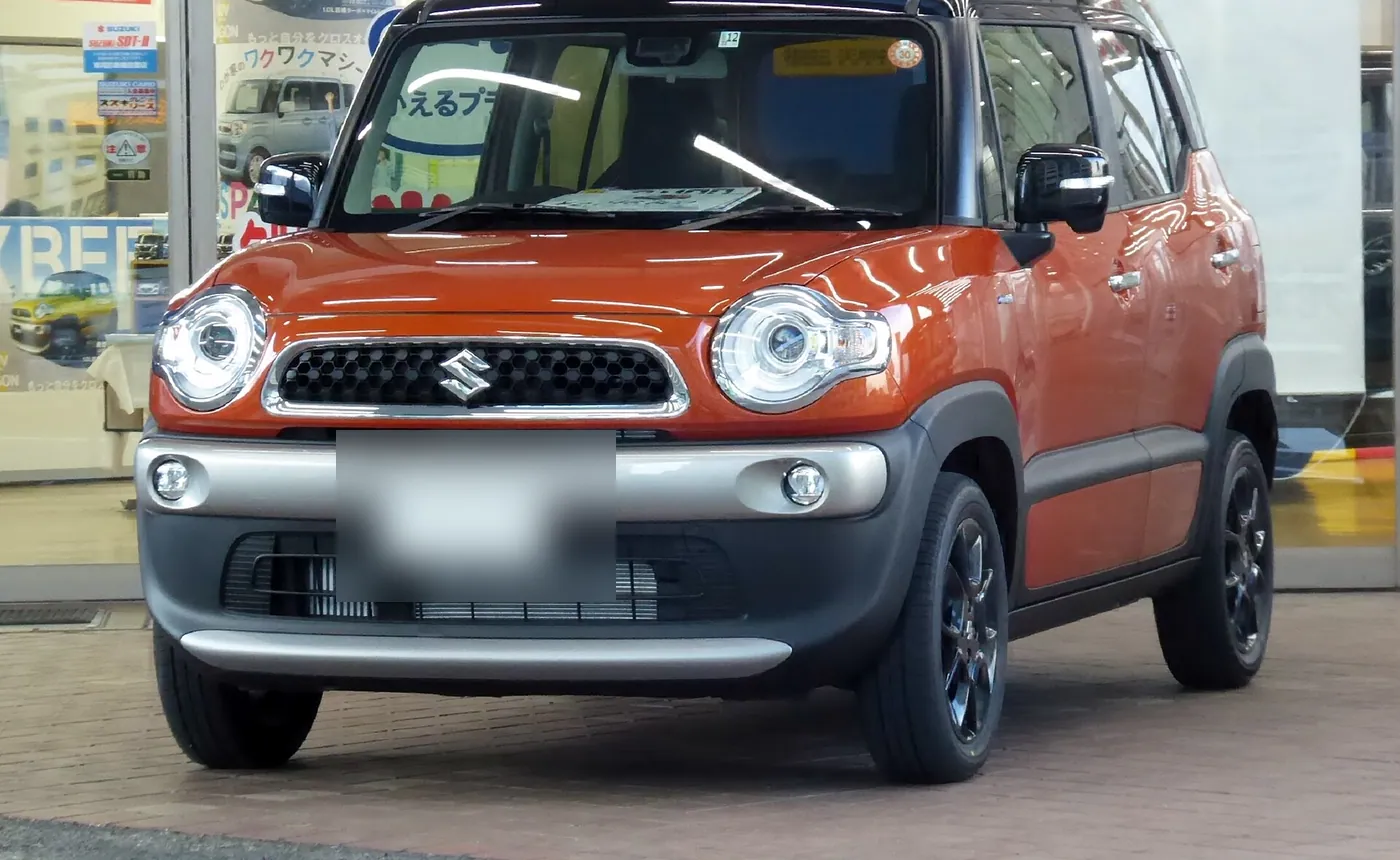
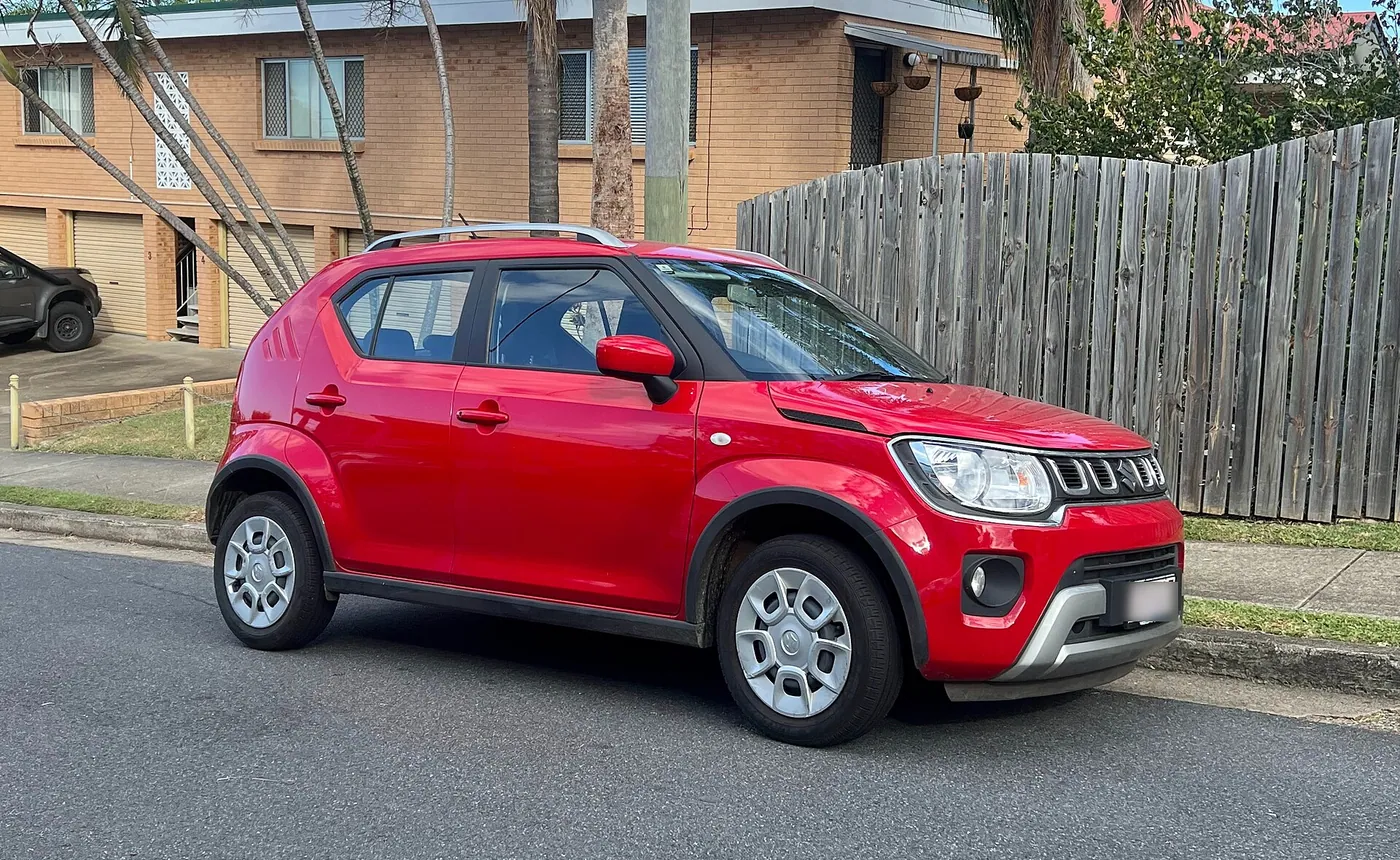
In short: In the three months to 19 September 2026, 1,087 Suzuki Xbees sold at Japanese auctions at a median of €6,911, against 619 Suzuki Igniss at €2,266. The Suzuki Ignis is the cheaper buy by about €4,646 at auction, before shipping, VAT, VRT and fees. Our verdict is at the end of this article.
Suzuki has a gift for small cars with personality, and the Xbee and Ignis are two of its more unusual recent efforts. Both are short, upright crossovers with chunky styling, both offer four-wheel drive and both come from the same company in the same era. On a Japanese auction list, it is easy to treat them as variations on a theme.
They are not. The Ignis is the smaller, simpler, more economical car, a city hatchback dressed as a miniature SUV. The Xbee is longer, more powerful and more refined, with a turbocharged engine and a conventional automatic gearbox, and its styling owes a debt to the boxy charm of Suzuki's own Jimny and Hustler.
For Irish buyers the comparison is especially interesting because the Ignis was sold new here, so parts and familiarity exist, while the Xbee never was. Importing one from Japan is the only way to get it.
The specs
| Suzuki Xbee | Suzuki Ignis | |
|---|---|---|
| Generation most imported | MN71S, 2017 onward | FF21S, 2016 onward |
| Engine | 1.0 turbo three-cylinder, mild hybrid | 1.2 four-cylinder, mild hybrid |
| Power | 99 PS | 91 PS |
| Gearbox | 6-speed automatic | CVT |
| Drive | Front, or 4WD | Front, or 4WD |
| Seats | 5 | 5 |
| Length | 3,760 mm | 3,700 mm |
| Import duty to Ireland | 0% possible (Japan-built, with proof of origin) | 0% possible (Japan-built, with proof of origin) |
Background
The current Ignis went on sale in 2016. In Japan it carries a 1.2-litre four-cylinder engine with Suzuki's mild hybrid system, which uses a belt-driven starter generator and a small lithium-ion battery to assist the engine and smooth out stop-start. Japanese cars use a CVT, unlike most European Ignis models, which came with a manual gearbox or an automated manual.
The Xbee arrived in late 2017. It is built on the same platform as the Solio, a compact tall hatchback, and uses Suzuki's 1.0-litre Boosterjet turbo three-cylinder, again with mild hybrid assistance, paired with a six-speed torque-converter automatic. Its round headlamps, two-tone paint and squared-off proportions made it a favourite with Japan's outdoor and leisure crowd. It was never offered in Europe.
How they drive
The Ignis is light, and that lightness defines it. It feels nimble and willing in town, and on the twisting back roads of the west it skips along cheerfully. The engine is smooth but needs revs to give its best, and the CVT can make it sound busy under hard acceleration. At motorway speeds it is noisy and moves around in crosswinds, as most cars this small do.
The Xbee feels more substantial. The turbo engine has a useful slug of low-down pull, and the six-speed automatic shifts cleanly, without the elastic feel of a CVT. It is quieter on the motorway, steadier at speed and more relaxed when overtaking. It is not quick, but it never feels strained in the way the Ignis sometimes does. The ride is a little firmer, but well controlled.
Inside and practicality
Neither car is large, but the Xbee's longer body and taller roof give it more room throughout. Rear passengers get more legroom and headroom, and the boot is more useful, though still small by family-car standards. The cabin has bold colour accents and a squared-off dashboard that matches the exterior.
The Ignis has a similarly playful design inside, with distinctive trim and a tablet-style screen on many cars. Rear space is reasonable for its size, and the rear seats fold to extend the boot. For a couple, or a small family with young children, it is enough. For four adults on a long trip to Kerry, the Xbee is noticeably better.
Running costs and reliability
The Ignis is the cheaper car to run. Its light weight, small engine and mild hybrid system give excellent fuel economy, and it sits in a low CO2 band. The Xbee uses a little more fuel, particularly in four-wheel-drive form, but remains economical by crossover standards.
Both are reliable, simple cars. The Ignis benefits from being a known model in Ireland, with parts and familiar garages. The Xbee shares much of its mechanical hardware with other Suzukis, including the turbo engine used in some Swifts, but parts specific to it will need to come from Japan.
What to check at a Japanese auction
Both cars are recent enough that most examples are in good condition, and grades of 4 or above are common. The auction sheet will mark scratches and small dents on its diagram; read those notes carefully. Make sure no warning lights are recorded for the mild hybrid system.
Four-wheel-drive versions of both models are popular in Japan's snowy regions, where roads are salted. Their sheets may mention underbody rust, which should be taken seriously on cars this young. A front-wheel-drive car, or a four-wheel-drive car from a milder prefecture, is the safer choice. On the Xbee, look out for cars fitted with lift kits or off-road tyres, and check whether the original parts come with the car.
The verdict
Buy the Ignis if your driving is mainly local and economy is the priority. It is light, cheap to run, easy to park and familiar to Irish garages.
Buy the Xbee if you regularly drive on motorways and want more space, more refinement and a proper automatic gearbox. It is the more complete car and, with its unusual looks, the one that will draw more questions at the petrol pump.
Frequently asked questions
Was the Suzuki Xbee sold in Ireland?
No. The Xbee was sold in Japan and never offered new in Europe, so importing one is the only way to get it.
Which is more economical?
The Ignis. It is lighter and uses a smaller-output engine with mild hybrid assistance.
Do Japanese Ignis models have a manual gearbox?
The Japanese-market Ignis is normally a CVT automatic, unlike many European cars.
Keep reading
- Daihatsu Mira Cocoa vs Nissan Moco: Two Gentle Kei Cars Built for the School Run
- Honda N-One vs Suzuki Alto Lapin: Retro Kei Cars With Very Different Hearts
- Daihatsu Hijet Cargo vs Nissan Clipper Van: Japan's Smallest Working Vans, Head to Head
- Toyota Townace Van vs Mazda Bongo Van: The Small Commercial Vans That Became Twins
- Land Cruiser Prado vs Mitsubishi Pajero: Two Legends, One Still in Its Prime
Photo credits
- Suzuki Xbee: Photo: Tokumeigakarinoaoshima / Wikimedia Commons, CC BY-SA 4.0
- Suzuki Ignis: Photo: Dicky0615 / Wikimedia Commons, CC BY-SA 4.0