
Toyota Aqua vs Toyota Yaris Hybrid: Toyota's Two Answers to the Same Small Question
Japan's favourite small hybrid of the 2010s meets the car that replaced it in Europe. The older one is cheaper and roomier. The newer one is better almost everywhere else.
By the Japan to Ireland editors · · 4 min read
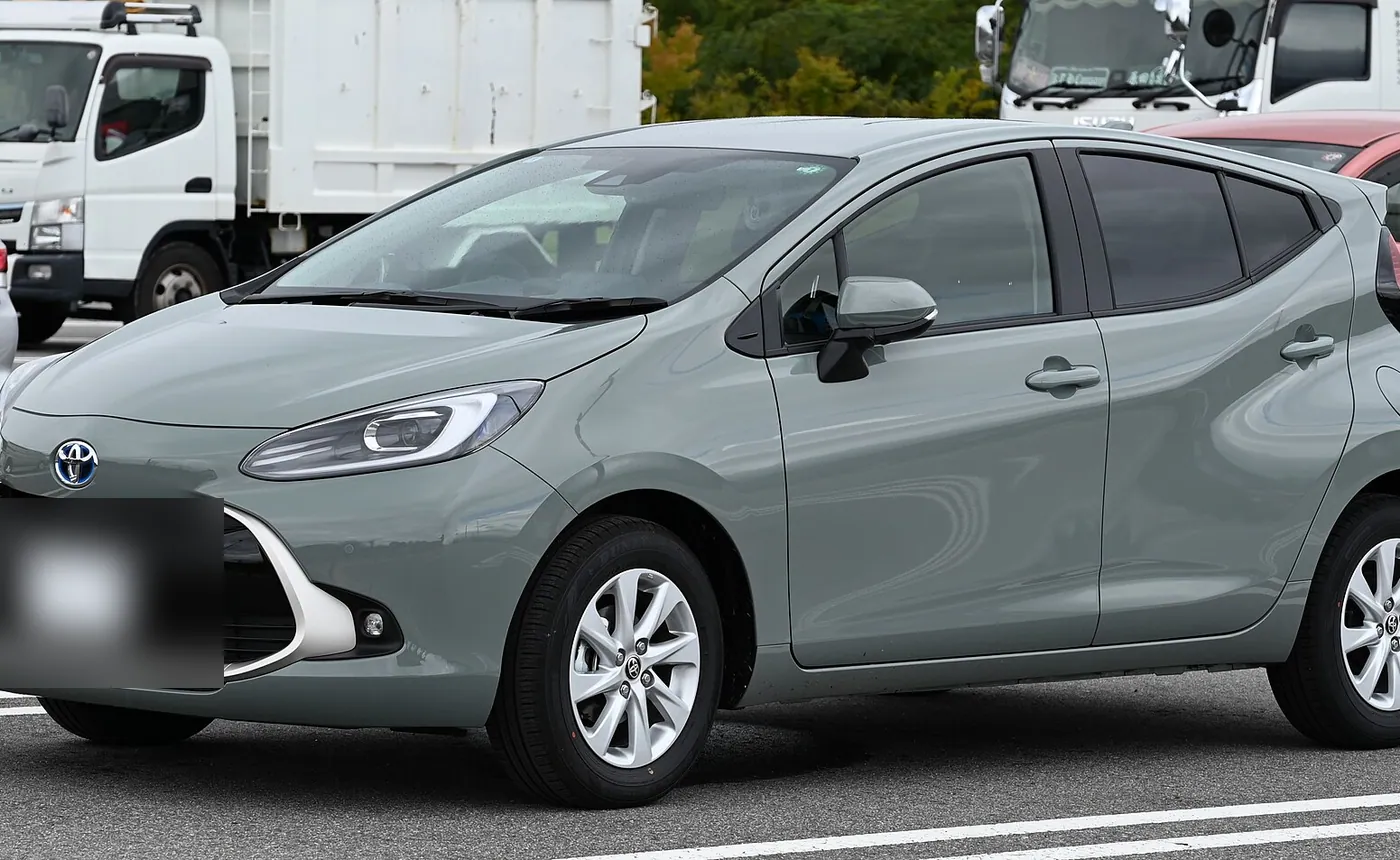
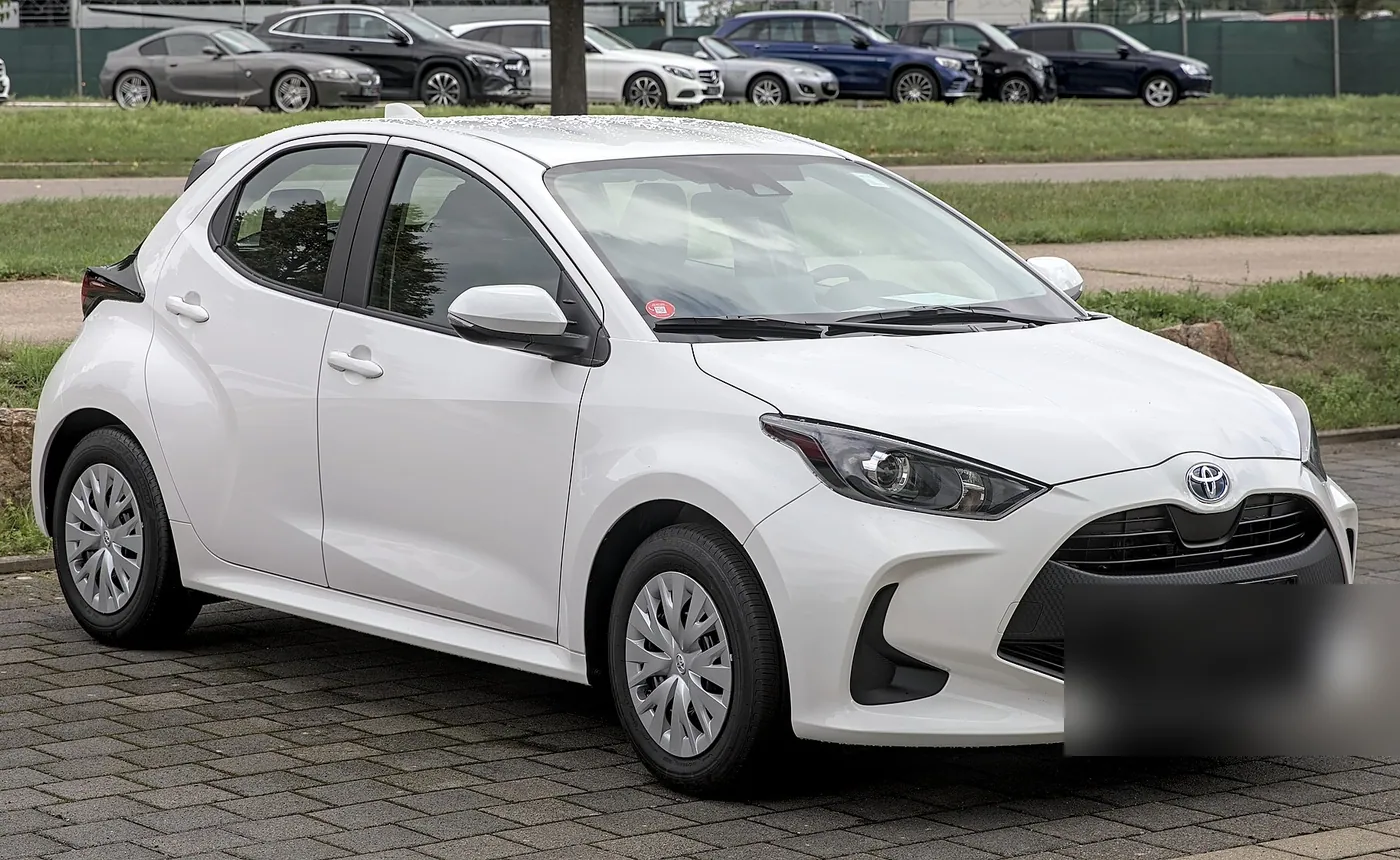
In short: In the three months to 19 September 2026, 22,223 Toyota Aquas sold at Japanese auctions at a median of €1,830, against 10,262 Toyota Yariss at €5,217. The Toyota Aqua is the cheaper buy by about €3,387 at auction, before shipping, VAT, VRT and fees. Our verdict is at the end of this article.
For a decade the Aqua was the car Japan bought when it wanted to stop thinking about fuel. Large numbers left Japanese auctions every year, many after a quiet life of school runs and supermarket car parks. In Ireland, where it never officially went on sale, it became one of the most imported used cars of the 2010s, a familiar shape in every town from Letterkenny to Skibbereen.
The Yaris Hybrid is its successor in spirit if not in name. The fourth-generation Yaris arrived in 2020 with a new three-cylinder engine, a new platform and a new hybrid system, and it went on to win the European Car of the Year title for 2021. In Japan, the Aqua carried on as a separate model with a second generation, but the comparison most Irish buyers make is the one on their screen: a plentiful, older Aqua against a newer, dearer Yaris.
The specs
| Toyota Aqua | Toyota Yaris | |
|---|---|---|
| Generation most imported | 1st gen (NHP10), 2011–2021 | 4th gen (MXPH10), 2020 on |
| Engine | 1.5 four-cylinder hybrid | 1.5 three-cylinder hybrid |
| System output | 100 PS | 116 PS |
| Gearbox | e-CVT | e-CVT |
| Drive | Front | Front, or E-Four AWD |
| Body | 5-door hatchback | 5-door hatchback |
| Length | 3,995 mm | 3,940 mm |
| Platform | Older B platform | TNGA-B |
| Import duty to Ireland | 0% possible (Japan-built, with proof of origin) | 0% possible (Japan-built, with proof of origin) |
Where they came from
The Aqua went on sale in Japan at the end of 2011 with one aim: to be the cheapest, most efficient way into a Toyota hybrid. It used a 1.5-litre engine and a shrunken version of the Prius system, and for a while it was the best-selling car in the country. Toyota kept it fresh with facelifts in 2014 and 2017, and a raised, cladded Crossover version that appealed to buyers who wanted a little more road presence.
The Yaris that replaced it in Toyota's thinking is a different kind of car. It is shorter, wider and lower, with a stiffer body and a cabin pushed towards the driver. Where the Aqua was designed around economy, the Yaris was designed around feel, and it shows from the first junction.
How they drive
The Aqua is an honest little car. The steering is light, the turning circle is tight and the ride is gentle around town. On the motorway it is less happy: the engine becomes audible above 100 km/h, and the cabin lets in more tyre roar than a modern car should on coarse Irish surfaces.
The Yaris is quicker, quieter and noticeably more composed at speed. Its hybrid system spends more time running on electric power in town, and the three-cylinder engine, when it does fire, has a thrum rather than a whine. On a wet N-road with a few bends, it feels planted in a way the Aqua never quite does.
Inside and practicality
Here the older car fights back. The Aqua's longer wheelbase gives rear passengers more legroom, and taller adults sit more comfortably in the back. The boot is a reasonable size for a car this short.
The Yaris is the tighter car in the rear, and its boot is modest. The front of the cabin is far better: a lower seat, a more modern dashboard and safety equipment a generation ahead, with automatic emergency braking and lane assist on most Japanese grades.
Running costs and reliability
Both sit at the bottom of the VRT and motor tax scale thanks to low CO2 figures. The Yaris is the more frugal car by a clear margin in real driving, though the difference over a year is modest for anyone doing an ordinary Irish mileage.
The bigger question for the Aqua is age. Many of the cars on offer are now eight to twelve years old. Toyota hybrid batteries have a strong record, but a well-documented car with a recent hybrid health check is worth paying more for. The Yaris is young enough that most examples are still mechanically fresh.
What to check before bidding
For an Aqua, read the auction sheet for any notes on the hybrid battery or warning lights, and look for heavy interior wear or a well-worn driver's seat bolster that suggests a commercial or taxi past. The battery's cooling fan sits under the rear seat and draws air from the cabin, so dirty interiors can mean a clogged intake. Later facelift cars from 2017 onward carry better safety kit and are worth the small premium. Check the underside of cars from northern Japan, where roads are salted in winter.
For the Yaris, the main decision is grade. Japanese X grades are basic, G grades sensible and Z grades well equipped. E-Four all-wheel-drive versions exist for buyers in hillier or wetter parts of the country, though most Irish drivers will be well served by front-wheel drive. Favour grade 4.5 cars, which are common at this age.
The verdict
On a tight budget, the Aqua remains one of the most sensible used cars you can bring from Japan. It is cheap to buy, cheap to tax and cheap to run, its back seat is kinder to adults, and there are enough good ones that patience pays.
If you can stretch, the Yaris is simply the better car: safer, quieter and more modern, with a hybrid system that will feel current for years. For drivers who spend real time on the motorway, the extra money buys real comfort.
Frequently asked questions
Is the Toyota Aqua sold in Ireland?
Not new. Every Aqua in Ireland is a used import, mostly from Japan, which is why there are so many at Japanese auctions.
Which is more economical, Aqua or Yaris Hybrid?
The fourth-generation Yaris Hybrid uses less fuel in real driving, thanks to its newer engine and hybrid system.
Which has more rear seat space?
The Aqua. Its longer wheelbase gives rear passengers more legroom than the current Yaris.
Which Aqua years are best?
Cars from the 2017 facelift onward have better safety equipment and are the youngest examples of the first generation.
Keep reading
- Toyota Prius vs Lexus CT 200h: One Hybrid Heart, Two Very Different Characters
- Honda N-Box vs Daihatsu Tanto: Inside Japan's Battle of the Tall Little Boxes
- Nissan Serena vs Honda Step WGN Spada: The Family Van Showdown Japan Takes Seriously
- Toyota Celsior vs Nissan Cima: Japan's V8 Executive Saloons, Twenty Years On
- Toyota Hiace vs Nissan NV350 Caravan: Japan's Workhorse Vans, Compared for Irish Trades
- Importing a Toyota Aqua: prices and costs
- Importing a Toyota Yaris: prices and costs
Photo credits
- Toyota Aqua: Photo: TTTNIS / Wikimedia Commons, CC0
- Toyota Yaris: Photo: Alexander Migl / Wikimedia Commons, CC BY-SA 4.0