
Toyota Prius vs Lexus CT 200h: One Hybrid Heart, Two Very Different Characters
They share a 1.8-litre petrol engine, a hybrid system with a long record and a decade of quiet Japanese miles. What separates them is everything you see, hear and touch.
By the Japan to Ireland editors · · 5 min read
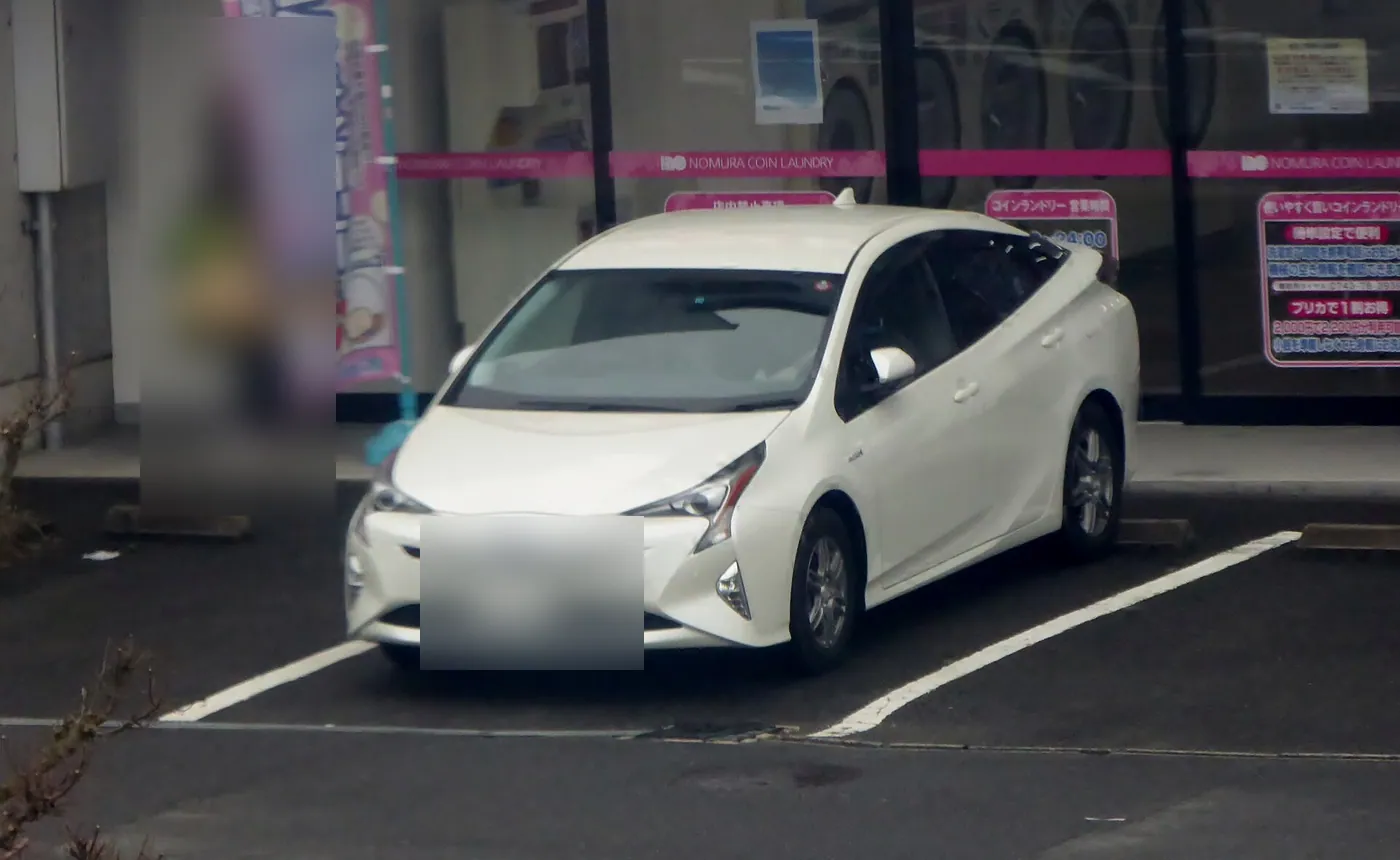
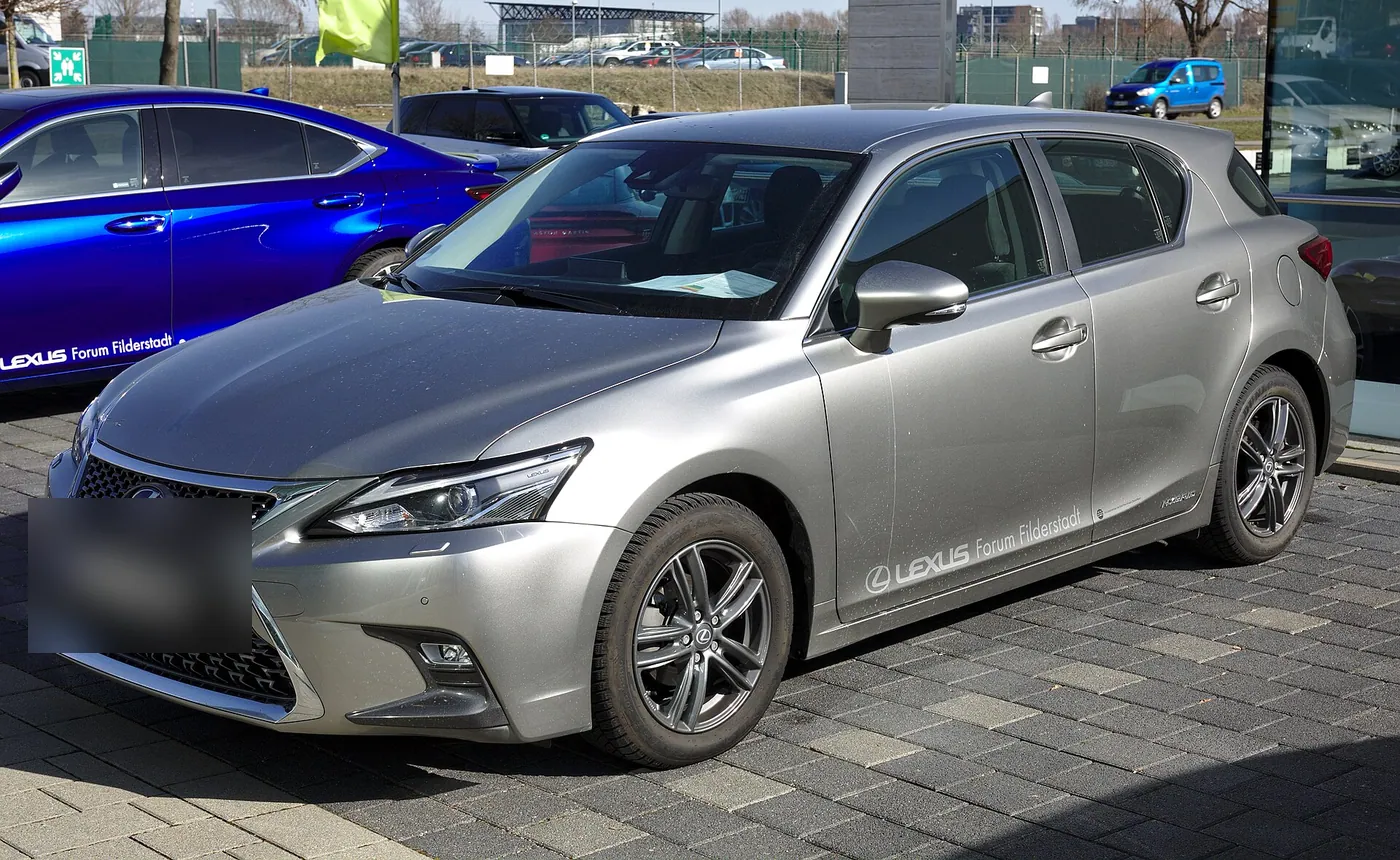
In short: In the three months to 19 September 2026, 27,929 Toyota Priuss sold at Japanese auctions at a median of €2,042, against 1,026 Lexus CTs at €2,326. The Toyota Prius is the cheaper buy by about €284 at auction, before shipping, VAT, VRT and fees. Our verdict is at the end of this article.
At a Japanese auction yard on a weekday morning, the Prius is the car you trip over. Rows of them, silver and pearl white, parked nose to tail like commuters on a platform. The Lexus CT 200h is rarer and easier to miss: a short, chunky hatchback with a spindle grille, usually in black or dark grey, often with a few more years on the clock.
Underneath, they are closer relatives than most buyers realise. The CT uses the same 1.8-litre petrol engine and Hybrid Synergy Drive system that powered the third-generation Prius, tuned for a little more output and wrapped in a stiffer, heavier, far more expensive-feeling shell. The fourth-generation Prius, the one most Irish buyers import today, moved to Toyota's newer TNGA platform and a more efficient version of the same idea.
So the question is not which one is the better hybrid. Both are proven. The question is which kind of car you want to live with, on Irish roads, for the next eight or ten years.
The specs
| Toyota Prius | Lexus CT | |
|---|---|---|
| Generation most imported | 4th gen (ZVW50), 2015–2022 | CT 200h (ZWA10), 2011–2022 |
| Engine | 1.8 petrol hybrid | 1.8 petrol hybrid |
| System output | 122 PS | 136 PS |
| Gearbox | e-CVT | e-CVT |
| Drive | Front, or E-Four AWD | Front |
| Body | 5-door hatchback | 5-door hatchback |
| Length | 4,540 mm | 4,350 mm |
| Rear suspension | Double wishbone | Double wishbone |
| Boot | Large, flat floor | Noticeably smaller, higher floor |
| Import duty to Ireland | 0% possible (Japan-built, with proof of origin) | 0% possible (Japan-built, with proof of origin) |
Two cars, two briefs
The Prius has always been a statement of purpose. Its wedge profile exists to cheat the wind, and every generation since 1997 has been judged first on the number at the pump. The fourth generation, launched in Japan at the end of 2015, kept that focus but finally gave the car a chassis worth talking about, along with an E-Four all-wheel-drive option that uses a small electric motor at the rear axle.
The CT arrived in 2011 with a different job. Lexus wanted a way into the premium hatchback class in Europe, the territory of the Audi A3 and BMW 1 Series, and it chose a hybrid to do it. The car was facelifted twice, in 2014 and again in 2017, each time gaining a sharper face and better safety kit, and it stayed in production until 2022 with almost no change to its mechanical heart.
How they drive
The Prius is calm and light on its feet. The newer platform gave it independent rear suspension and a lower centre of gravity, and on a broken Irish back road it rides with a softness that suits the car's whole personality. Push it and the engine drones; leave it alone and it slips between electric and petrol so quietly you stop noticing.
The CT feels denser. The steering is weightier, the body is tied down more firmly, and there is a Sport mode that turns the power meter into a rev counter and sharpens the throttle. It is not fast, and nobody should buy it expecting a hot hatch, but it feels more deliberate. The trade is the ride: on the larger wheels of F Sport versions it can thump over potholes that the Prius would shrug off.
Inside
This is where the Lexus earns its badge. The CT has a proper low driving position, leather or synthetic leather on most Japanese-spec cars, a Mark Levinson stereo on some higher grades and a cabin that has aged far better than the Prius's glossy white plastics. Doors close with a heavier sound. Switches have a weight to them.
The Prius counters with space. It is almost 20 centimetres longer, the back seat is roomier for adults and the boot is noticeably larger and flatter. For a family that does a weekly shop, a buggy and a dog, the Prius is simply the more useful tool. The CT's boot, sitting over the hybrid battery, is the car's weakest point, and rear headroom is tight for anyone tall.
Running costs and reliability
Both cars sit in low CO2 bands, which keeps VRT and motor tax modest. Fuel economy favours the newer Prius, which uses noticeably less petrol in mixed Irish driving; the CT is heavier and runs an older version of the system.
Parts are not a worry for either. The engine, inverter and battery architecture are shared with hundreds of thousands of Toyotas on European roads, and hybrid specialists around the country know them well. An independent garage is the sensible route for both, since a Lexus badge tends to bring a Lexus labour rate at main dealers.
What to look for at auction
For the Prius, read the auction sheet closely for notes on the hybrid system and check the condition of the 12-volt battery, which lives in the boot and can cause a cascade of odd warning lights when tired. The hybrid battery is cooled by a fan that draws air from the cabin, and its filter clogs with dust and pet hair, so a car with heavy interior wear deserves a closer look. Cars from snowy northern regions see salted roads and should be checked underneath.
For the CT, the age of the engine design matters. High-mileage examples of that 1.8 can suffer from a clogged exhaust gas recirculation system, so a documented service history is worth more than a shiny bodywork grade. Look for cars that have not been lowered or fitted with oversized wheels, and check the rear suspension bushes, which wear. Grade 4 and 4.5 cars with an interior grade of B or better are plentiful enough that there is no need to gamble on a grade 3.
The verdict
If you want the most efficient, most practical hybrid hatchback for the money, buy the Prius. It is the better family car and usually the cheaper car to buy, and its newer platform makes it the more comfortable and more economical of the two.
If you value how a car feels when you open the door, and you rarely carry more than two people and a weekend bag, the CT is the quieter pleasure. It is a small premium car that happens to be a hybrid, and as a Japanese import it costs far less than its badge suggests.
Frequently asked questions
Is the Lexus CT 200h just a Prius?
It uses the same 1.8-litre hybrid system as the third-generation Prius, with more power and a different body, interior and suspension. The current Prius is a newer design on a newer platform.
Which is cheaper to run in Ireland?
The fourth-generation Prius uses less fuel and usually costs less to buy. Both sit in low CO2 bands for VRT and motor tax.
Which has the bigger boot?
The Prius, by a clear margin. The CT's boot floor sits higher because of the hybrid battery.
Is there an all-wheel-drive version?
The fourth-generation Prius was offered in Japan with E-Four, which adds an electric motor at the rear axle. The CT was front-wheel drive only.
Keep reading
- Toyota Aqua vs Toyota Yaris Hybrid: Toyota's Two Answers to the Same Small Question
- Honda N-Box vs Daihatsu Tanto: Inside Japan's Battle of the Tall Little Boxes
- Toyota 86 vs Subaru BRZ: Twins From the Same Factory, Separated by Suspension and Personality
- Toyota Crown Crossover vs Lexus ES: The Saloon That Grew Tall and the One That Stayed Low
- Importing a Toyota Prius: prices and costs
- Importing a Lexus CT: prices and costs
Photo credits
- Toyota Prius: Photo: Tokumeigakarinoaoshima / Wikimedia Commons, CC BY-SA 4.0
- Lexus CT: Photo: Alexander Migl / Wikimedia Commons, CC BY-SA 4.0