
Mitsubishi Lancer Evolution I to III: the first rally specials that started a dynasty
Mitsubishi squeezed its Galant rally drivetrain into a small Lancer saloon in 1992. Three evolutions later, the car carried Tommi Mäkinen to his first world title and created a legend.
By the Japan to Ireland editors · · 4 min read
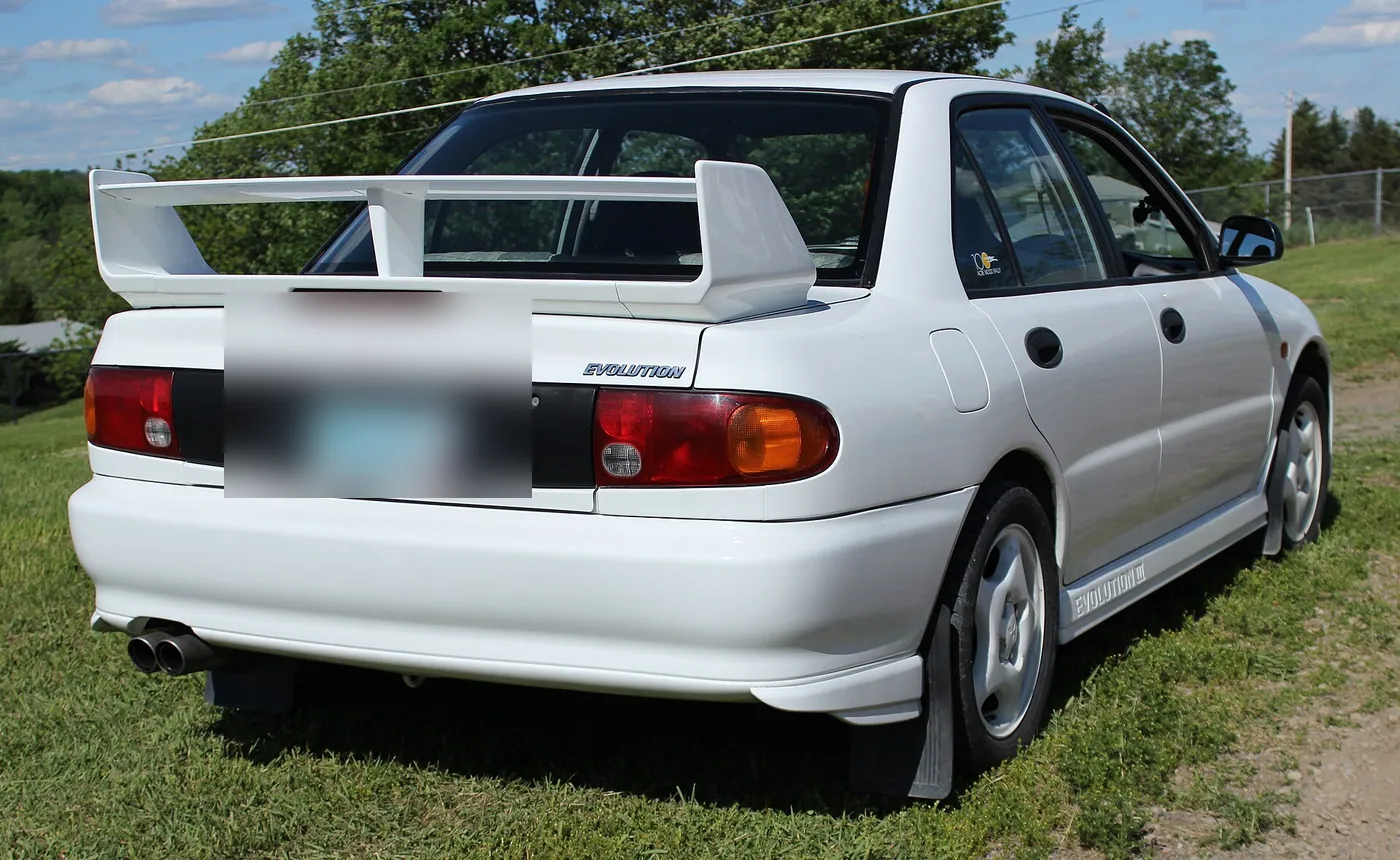
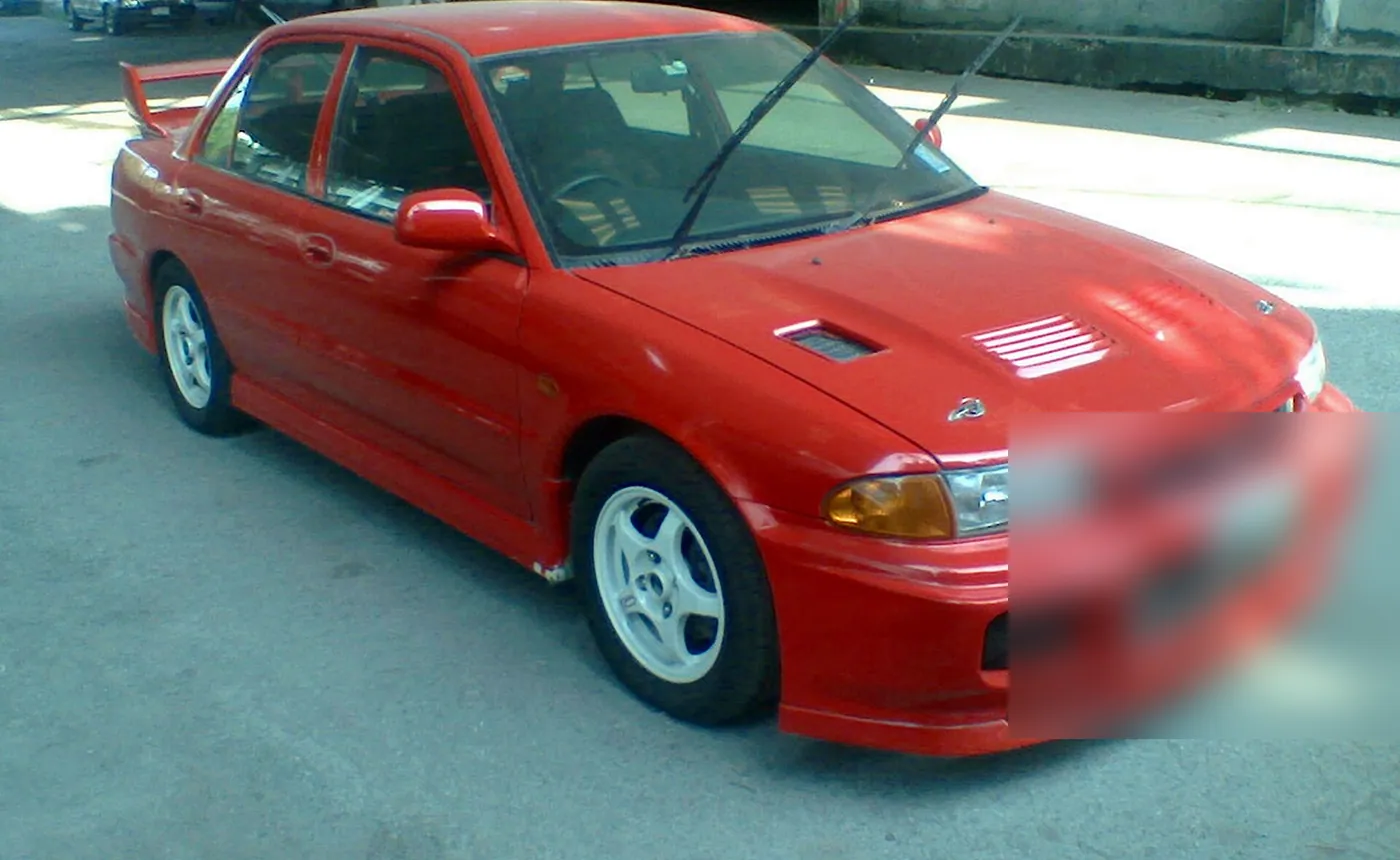
In the autumn of 1992 Mitsubishi put on sale a small four-door saloon that looked, at a glance, like the Lancer you might see outside any Japanese railway station. Look again and there were the details: a vented aluminium bonnet, a deep front bumper with big openings, a rear wing and wide tyres. Under the bonnet sat a turbocharged 2.0 litre engine with 250 PS. The Lancer Evolution had arrived, and the first batch sold out almost immediately.
The reason it existed was rallying. Mitsubishi had been competing in the World Rally Championship with the Galant VR-4, a capable but large car. Rules allowed manufacturers to build a minimum number of road cars to homologate a competition model. Mitsubishi realised that by fitting the Galant's turbocharged engine and four-wheel-drive system into the smaller, lighter Lancer body, it could build a much more agile rally car. The road version was a by-product of that decision, and Japanese enthusiasts loved it.
The specs
| Years built | 1992–1996 |
|---|---|
| Engine | 2.0 litre turbocharged four-cylinder (4G63) |
| Power | 250 PS (Evo I), 260 PS (Evo II), 270 PS (Evo III) |
| Gearbox | Five-speed manual |
| Drive | Full-time four-wheel drive |
| Body styles | Four-door saloon |
| Trims | GSR road car and lightweight RS competition base |
Three steps up
The first Evolution of 1992 established the formula: the 4G63 turbocharged engine, a five-speed manual gearbox and full-time four-wheel drive with a viscous centre differential. It came in two flavours. The GSR was the road car, with electric windows, air conditioning and a more finished cabin. The RS was a stripped-down base for competition, with fewer comforts, lighter equipment and often steel wheels.
The Evolution II of 1994 brought 260 PS, a slightly longer wheelbase, wider tracks, bigger wheels and tyres and revised aerodynamics. These changes made the car more stable at speed and more effective on loose surfaces. The Evolution III of 1995 brought 270 PS, a more aggressive front bumper with larger intakes for cooling, side skirts and a taller rear wing. It is the most visually dramatic of the first-generation cars and the one most collectors seek.
The rally record
The Lancer Evolution made its World Rally Championship debut in 1993. Progress was steady, and by the mid-1990s the car was a regular contender. In 1996 Tommi Mäkinen won the drivers' championship in an Evolution III, the first of four consecutive titles for the Finn with Mitsubishi. The Evolution also became a favourite in Group N, the production-based category, where privateers around the world raced cars much closer to the road versions.
How they drive today
Even by modern standards, a well-sorted early Evo is quick. The 4G63 has noticeable turbo lag, followed by a strong surge of power through the mid-range. Four-wheel drive gives huge traction on wet roads, and the small, light body feels agile on twisting routes. Steering is direct, and the car feels more mechanical and raw than later Evos, with less electronic assistance. The ride is firm, and the cabin is noisy at motorway speeds. On a damp Irish back road it feels purposeful and controllable, which is exactly what it was built for.
The versions worth knowing
The Evolution I is the original and has historical appeal, though it is the least powerful. The Evolution II is a good compromise of stability and simplicity. The Evolution III is the most desirable to many buyers, combining the most power with the sharpest looks. GSR versions are better equipped and easier to live with. RS versions are lighter and rarer but were often bought to compete, so their histories need extra scrutiny.
Buying one in Japan
Almost every early Evo has been driven hard, and many have been modified. Check the turbocharger for smoke, the boost for consistency, and the engine for blow-by and oil leaks. Ask about the timing belt and balance shafts, which are critical on the 4G63. The gearbox should change cleanly without crunching into second or third, and the clutch should not slip. Check the centre and rear differentials for noise and the driveshafts for clicking.
Rust appears in the rear wheel arches, sills, boot floor and around the rear suspension mounts. Look for accident damage or poorly repaired panels, especially on cars that may have been rallied or used on circuits. Modified cars often have bigger turbos, uprated fuel systems, aftermarket suspension and exhausts. A modified car may be fast but can be harder to insure and to get through the NCT. Mileage claims should be treated with care, especially on cars that have had replacement clusters. Confirm that the chassis number on the export documents matches the car, and that it is a genuine Evolution rather than a standard Lancer with Evo parts.
Should you import one?
An early Lancer Evolution suits an enthusiast who wants a raw, analogue, turbocharged four-wheel-drive car with real rally history. It can be used as a weekend car or even a daily car for those who can tolerate firm suspension and noise. Four-wheel drive and modest size make it well suited to Irish roads in all seasons.
Expect running costs above those of a normal saloon, especially if the car has been modified. Parts for the engine and drivetrain are relatively easy to find because the 4G63 was used widely, but some body panels and Evo-specific trim are scarce. The first Evos are now over 30 years old and can qualify for Ireland's vintage treatment. Buy the most original, best-documented car you can find, and you will own the car that started one of the great performance dynasties.
Frequently asked questions
What is the difference between the Evo I, II and III?
Each step added power, from 250 to 270 PS, along with wider tracks, better aerodynamics and sharper styling.
What is the difference between GSR and RS?
The GSR is the better-equipped road car, while the RS is a lighter, stripped-down base for competition.
Did the early Evo win world titles?
Yes. Tommi Mäkinen won the 1996 World Rally Championship in an Evolution III.
What should I check first?
Engine health, timing belt history, rust in the rear arches and evidence of rallying or heavy modification.
More Japanese classics
- Mitsubishi GTO: the technology-packed grand tourer Japan built at the top of the boom
- Mitsubishi Delica Star Wagon (L300): the four-wheel-drive van that went everywhere
- Mitsubishi Galant VR-4: the sober saloon that carried Mitsubishi into world rallying
- Subaru 360: the tiny ladybird that put post-war Japan on wheels
- Subaru Impreza WRX STi (GC8): the blue-and-gold era's road-going hero
- All 90 Japanese classics you can import
Photo credits
- Photo: Jacob Frey 4A / Wikimedia Commons, CC BY 2.0
- Photo: M.rJirapat / Wikimedia Commons, CC BY-SA 4.0