
Toyota MR2 (SW20): The Baby Supercar That Grew Up Through a Decade of Changes
The second MR2 was bigger, faster and far more grown-up than the first. Its turbocharged versions remain some of the most exciting affordable Japanese sports cars of the 1990s.
By the Japan to Ireland editors · · 4 min read
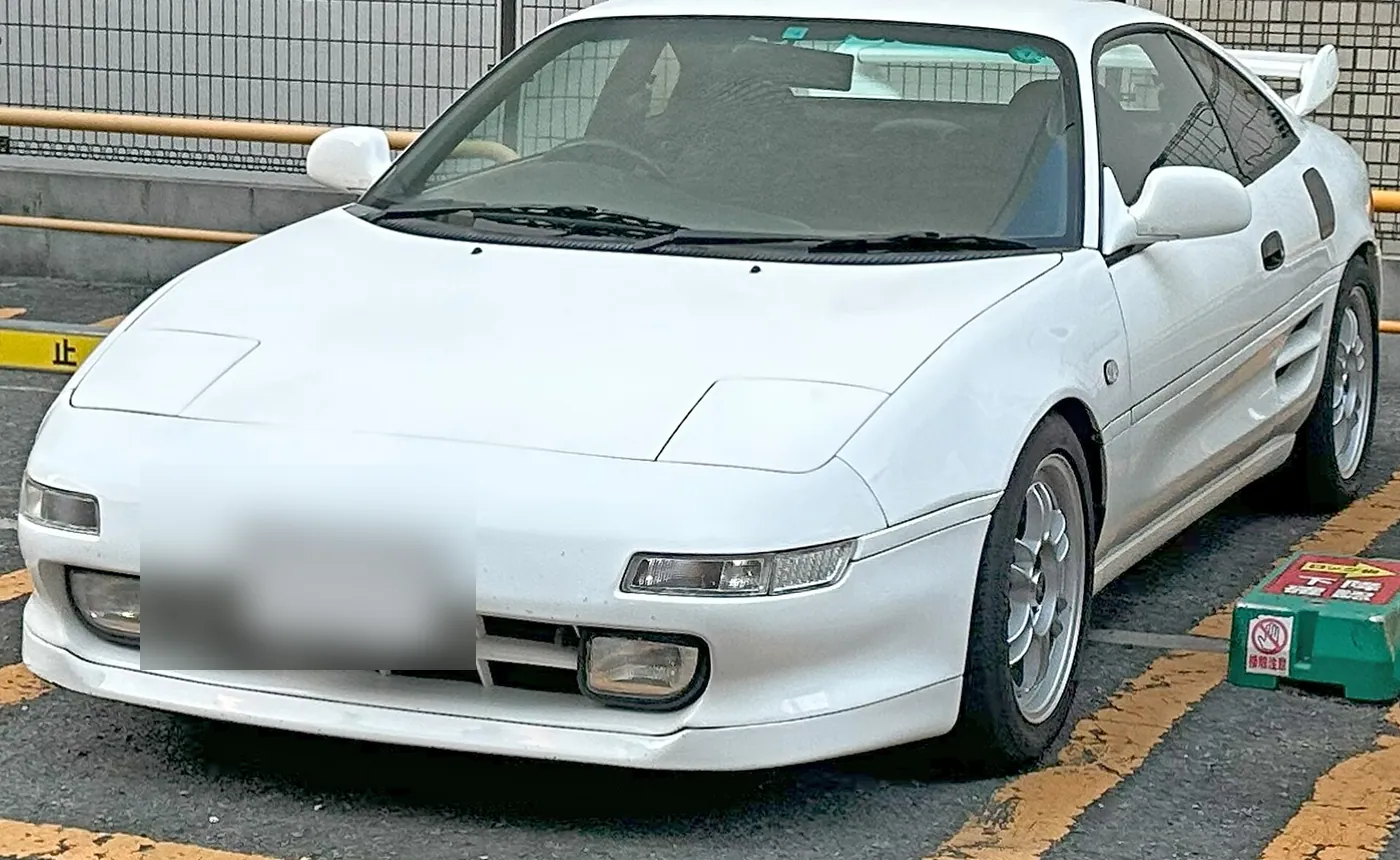
When the second MR2 arrived in Japan in the autumn of 1989, it looked like a different kind of car altogether. Gone were the sharp creases of the AW11. In their place was a smooth, curvaceous body that drew comparisons with Italian mid-engined exotica. It was bigger, heavier and more powerful, and it marked a decisive move upmarket.
The timing was telling. Japan's bubble economy was at its peak, and the country's car makers were pouring money into ambitious sports cars. The SW20 was part of a remarkable wave of Japanese performance cars from that period, and it remains one of the most affordable ways to own a mid-engined car from the era.
The specs
| Years built | 1989–1999 |
|---|---|
| Engine | 2.0 3S-GTE turbo; 2.0 3S-GE non-turbo |
| Power (Japan) | Turbo 225 PS, later 245 PS; non-turbo up to 200 PS |
| Gearbox | 5-speed manual or 4-speed automatic |
| Drive | Rear-wheel drive, mid-engined |
| Body styles | Two-seat coupe; T-bar roof option |
| Chassis code | SW20 |
A grown-up MR2
The SW20 used a larger platform than the AW11 and adopted a two-litre engine. The flagship GT version used the 3S-GTE, a turbocharged twin-cam four-cylinder shared in principle with the Celica GT-Four, mounted transversely behind the cabin. In early Japanese-market form it produced 225 PS. Non-turbo models used the 3S-GE, which offered a more linear, rev-happy character.
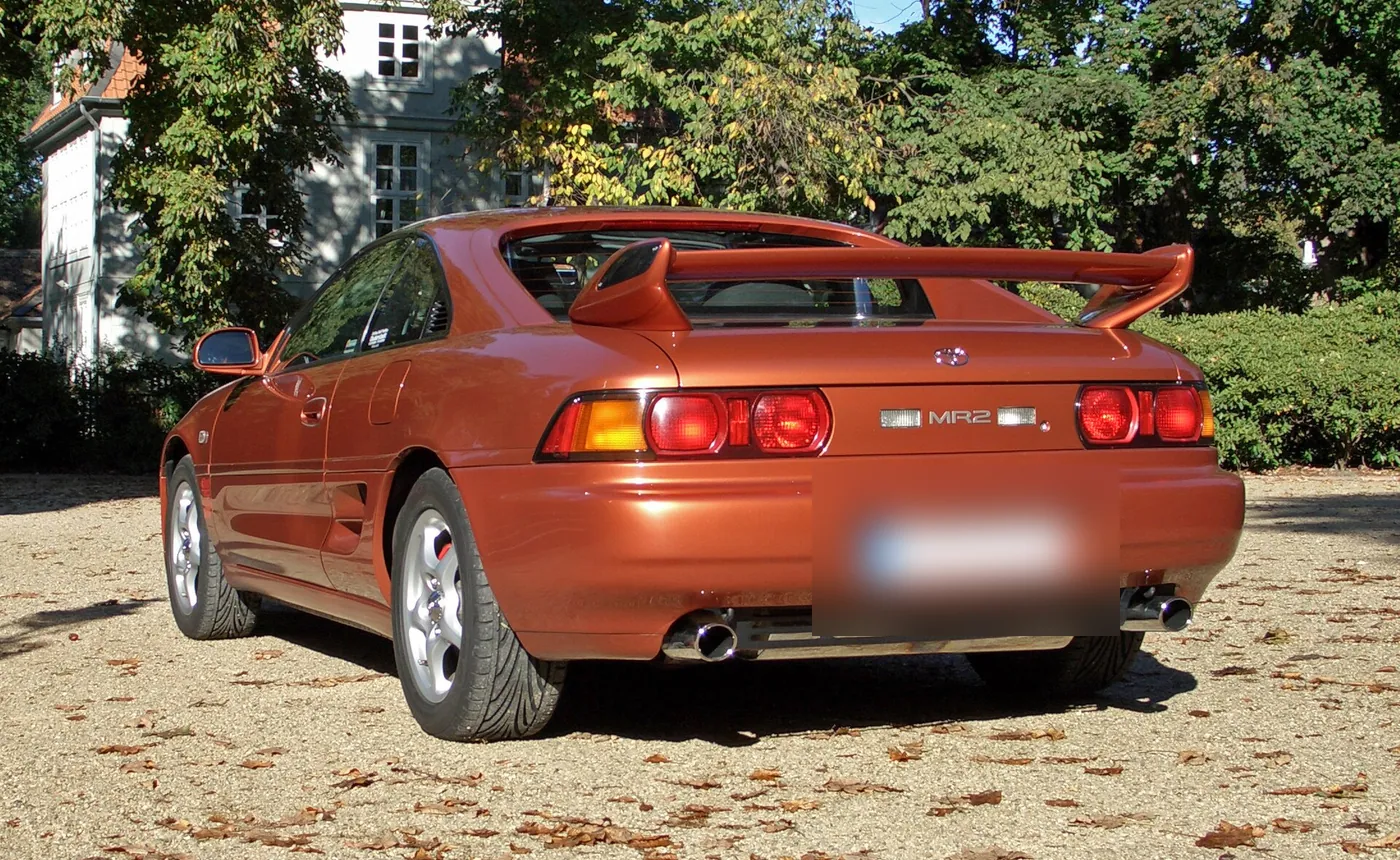
The body was strikingly well proportioned, with a low nose, a long rear deck and a cabin positioned well forward. Inside, the driver sat in a snug, enveloping cockpit with a wraparound dashboard. It felt much more like a serious sports car than the AW11.
The revisions
Toyota changed the SW20 several times during its decade on sale, and enthusiasts refer to these as revisions. Early cars earned a reputation for being tricky at the limit, with a tendency to snap into oversteer if the driver lifted off the throttle mid-corner. Toyota responded with changes to the suspension geometry, wider rear tyres and other updates in the early 1990s that made the car more stable and predictable.
Later revisions brought further improvements. In 1993 the turbo engine was upgraded to 245 PS in Japanese specification. In 1997 the non-turbo 3S-GE gained variable valve timing and produced 200 PS in manual form. The final cars received cosmetic updates including a revised rear spoiler and new wheels. Production ended in 1999, when the MR2 was replaced by the very different MR-S roadster.
How it drives today
The SW20 is fast, especially in turbo form, with a strong surge of power once the turbo is spooled. The steering is direct and the car feels balanced and agile, though it is heavier than the AW11. Later revisions are more forgiving than early ones, but the mid-engined layout still demands respect, particularly in the wet.
On Irish roads, the SW20 is at its best on a dry, flowing road. It is comfortable enough for longer journeys and has a small front boot for luggage. The ride is firm but acceptable, and the car is reasonably refined at motorway speeds.
The versions worth knowing
The turbo GT models are the most sought after, especially later revisions with the 245 PS engine. Non-turbo cars are more common, cheaper to run and still great fun, with later 3S-GE cars particularly lively. T-bar roofs are common and give an open-air feel but can leak if the seals are tired. Automatic cars exist but are less desirable for most enthusiasts.
Check which revision a car is, as the differences in handling and specification can be significant.
What to check when buying one in Japan
Rust is a concern, particularly around the rear wheel arches, the sills, the floor and the front boot. T-bar cars should be checked for leaks and rust around the roof seals. Look underneath carefully, ideally on a lift.
Many SW20s have been modified, especially turbo cars. Look for aftermarket boost controllers, exhausts, intercoolers and suspension. Some modifications are well done, but others can compromise reliability and make the car harder to insure. Check for signs of accident damage, as many SW20s have been crashed by drivers caught out by the handling.
The 3S-GTE is strong, but the turbo, oil supply and cooling system all deserve attention. Check for smoke, leaks and signs of overheating. Gearboxes can wear, particularly the synchromesh. As always, treat mileage claims with caution and look for service records. Many mechanical parts are shared with other Toyotas, but some body and trim parts are getting harder to find.
Should you import one?
The SW20 suits a buyer who wants a striking, fast and engaging mid-engined sports car with genuine 1990s character. It is a two-seater, so it is best as a second car, but it is usable and comfortable enough for longer drives.
The earliest SW20s are now over 30 years old, which can qualify them for Ireland's vintage treatment, and the rest are following. Ownership requires attention to rust, dry storage and a good mechanic. Choose the most original, best-documented car you can find, and be wary of heavily modified examples. A good SW20 is one of the most rewarding Japanese sports cars of its era.
Frequently asked questions
What engines did the SW20 MR2 use?
Turbo models used the 3S-GTE two-litre turbo, and non-turbo models used the 3S-GE two-litre twin-cam.
Why do people talk about SW20 revisions?
Toyota changed the car several times during production, including suspension changes that made later cars more stable.
Is the SW20 difficult to drive?
Early cars could be tricky at the limit. Later revisions are more forgiving, but the mid-engined layout still demands care in the wet.
Are SW20 MR2s prone to rust?
Yes. Check the rear arches, sills, floor, front boot and roof seals on T-bar cars.
More Japanese classics
- Toyota MR2 (AW11): Japan's First Mass-Produced Mid-Engined Car Still Feels Like a Revelation
- Toyota Celica (TA22): The Coupe That Gave Japan's Young Drivers a Choice
- Toyota Soarer (Z20): The Bubble-Era Coupe That Showcased Japan's Love of Technology
- Toyota Soarer (Z30): The Japanese Coupe Designed in California That Became the Lexus SC
- Toyota Crown (S130): The Saloon That Carried Japan's Bubble-Era Middle Class
- All 90 Japanese classics you can import
Photo credits
- Photo: Tokumeigakarinoaoshima / Wikimedia Commons, CC0
- Photo: TeEmKah / Wikimedia Commons, CC BY-SA 4.0