
Toyota Soarer (Z30): The Japanese Coupe Designed in California That Became the Lexus SC
Smooth, heavy and beautifully engineered, the third Soarer brought V8 luxury and twin-turbo performance to Japan in the early 1990s.
By the Japan to Ireland editors · · 4 min read
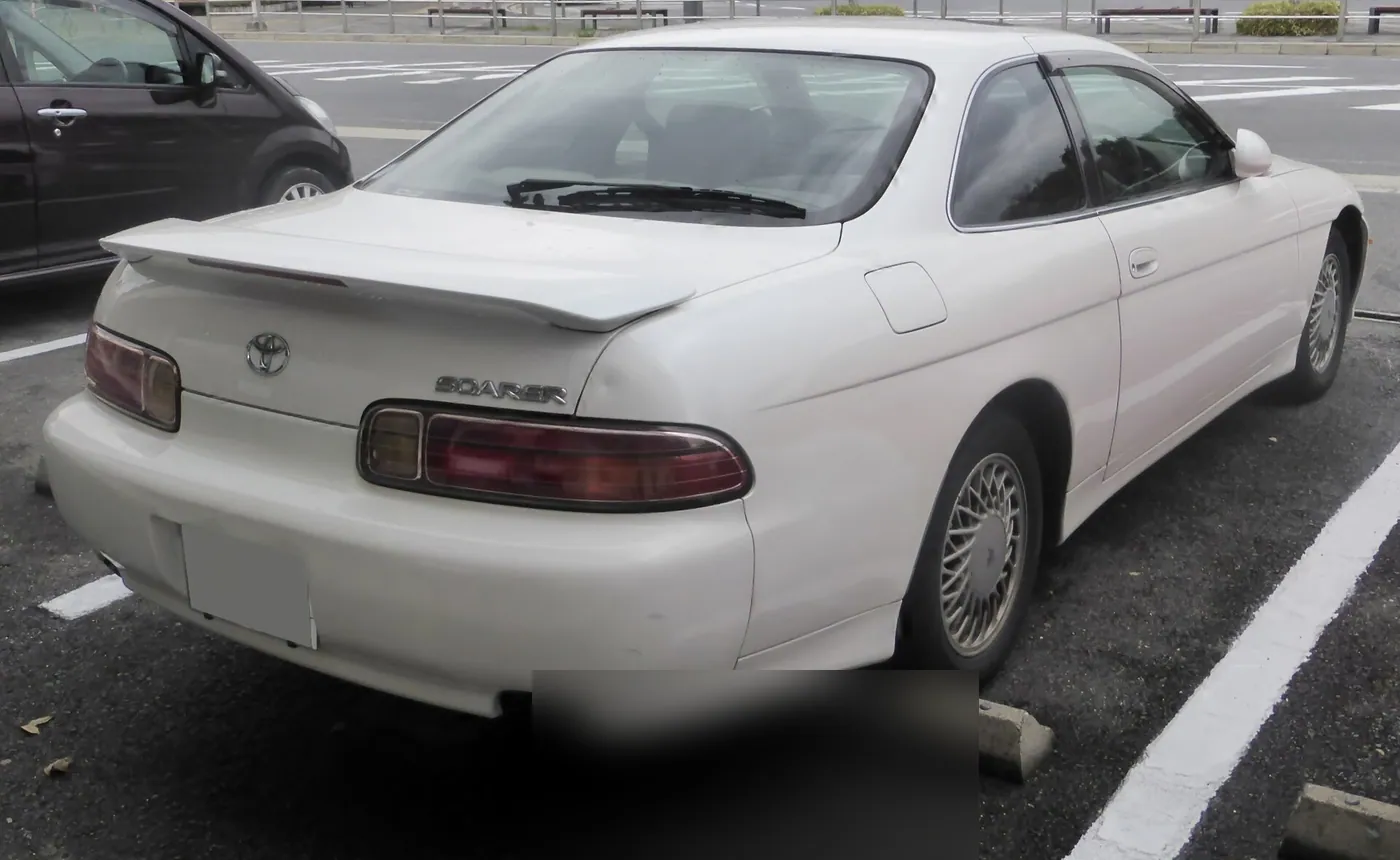
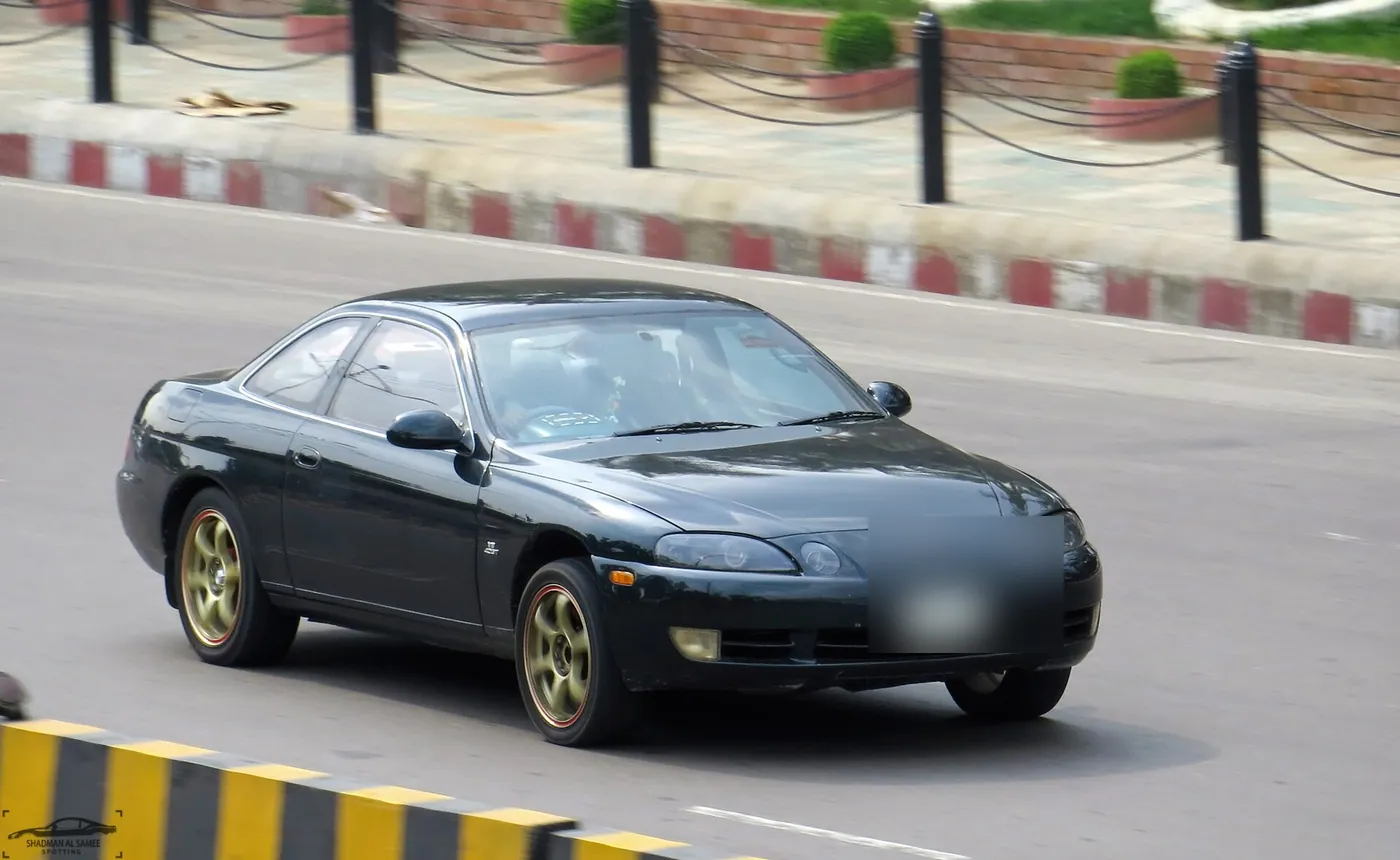
In the spring of 1991, Toyota launched the third-generation Soarer in Japan. It was nothing like the angular Z20 it replaced. Its body was smooth, rounded and almost organic, with few straight lines anywhere. The design came from Calty, Toyota's design studio in California, and the car was sold in the United States as the Lexus SC.
It arrived as the Japanese bubble was deflating, but its engineering reflected the extravagance of the late 1980s. It was heavy, expensive and lavishly built, with powerful engines and advanced suspension.
The specs
| Years built | 1991–2000 |
|---|---|
| Engine | 4.0 1UZ-FE V8; 2.5 1JZ-GTE twin-turbo straight-six; 3.0 2JZ-GE straight-six |
| Power (Japan) | 1UZ-FE 260 PS; 1JZ-GTE 280 PS |
| Gearbox | 5-speed manual (twin-turbo); automatic |
| Drive | Rear-wheel drive |
| Body styles | Two-door coupe |
| Export name | Lexus SC 300 and SC 400 |
A car for two markets
The Z30 was designed to serve both the Japanese market and the new Lexus brand in America. In Japan it was a Toyota, sold as the Soarer. In America it was the Lexus SC 400, with the V8 engine, and later the SC 300 with a three-litre straight-six.
In Japan, the top model used the 1UZ-FE, a four-litre V8 producing 260 PS in Japanese specification. The 2.5GT-T used the 1JZ-GTE, a 2.5-litre twin-turbo straight-six producing 280 PS. Later, a three-litre 2JZ-GE straight-six was offered, along with a non-turbo 2.5-litre engine in lower models.
Engineering
The Z30 used double wishbone suspension at all four corners. The 4.0GT Limited model offered an active suspension system, which used hydraulic actuators to control body movement. It was advanced technology at the time, but it is complex and can be expensive to maintain today.
The cabin was luxurious, with leather upholstery, wood trim and a high level of equipment. Some models had a touch-screen display for audio and climate controls. The car was quiet, smooth and refined, with excellent build quality.
That build quality is the Z30's quiet strength today. Panel fit, paint and interior materials were of a standard that matched the best European coupes of the time, and well-kept examples still feel tight and solid. The engines are among the most durable Toyota has made, and the 1UZ-FE V8 in particular has a reputation for covering very high mileages when serviced properly.
The Z30 was updated several times during its life, with styling changes, engine updates and new trim levels. Production continued until the end of the decade, when it was replaced by a very different car, the Z40 retractable hardtop.
How it drives today
The Z30 is a grand tourer, and it drives like one. It is smooth, quiet and comfortable, with a supple ride and plenty of power. The V8 is silky and refined, delivering strong, effortless acceleration. The 1JZ-GTE twin-turbo is more aggressive, with a strong surge of power once the turbos spool.
On Irish roads, the Z30 is a comfortable, relaxing car for long journeys. It is quite large and heavy, so it is most at home on wider roads and motorways. On narrow country roads it can feel a little big, but it is stable and composed.
The versions worth knowing
The 4.0GT Limited with the V8 is the most luxurious and refined. The 2.5GT-T with the twin-turbo engine is the most sought after by enthusiasts, particularly with the five-speed manual gearbox. The 3.0GT is a balanced middle ground.
The active suspension cars are fascinating but demanding. If the system has failed, it can be expensive to repair or replace.
What to check when buying one in Japan
Rust is generally less of a problem on the Z30 than on older cars, but check the rear wheel arches, the sills and the floor. Look underneath for signs of corrosion or poor repairs.
The electronics deserve careful checking. Touch-screen displays can fail, and parts are scarce. Check every electronic feature, including the climate control, audio and instruments. On active suspension cars, check for leaks, warning lights and correct operation. Many active suspension systems have been replaced with conventional springs and dampers.
Many Z30s, especially twin-turbo cars, have been modified for drifting or drag racing. Look for aftermarket boost controllers, exhausts and suspension, as well as signs of hard use or accident damage. Treat mileage claims with caution and look for service records.
Mechanical parts are generally available, thanks to the engines' wide use in other Toyotas and Lexus models, but some trim and body parts are scarce.
Should you import one?
The Z30 Soarer suits a buyer who wants a beautifully built, comfortable and powerful grand tourer with a distinctive design. It is a four-seat coupe, though the rear seats are tight.
The earliest Z30s are now over 30 years old, which can qualify them for Ireland's vintage treatment. Ownership will require a good mechanic and some patience with electronics. Choose the most original, best-documented car you can find. A good Z30 is a fascinating, well-engineered and comfortable car that captures the ambition of early 1990s Japan.
Frequently asked questions
Is the Z30 Soarer the same as the Lexus SC?
Yes. The Z30 Soarer was sold in America as the Lexus SC 400 and SC 300.
Which Z30 Soarer engine is best?
The V8 is the most refined, while the 1JZ-GTE twin-turbo is the most sought after by enthusiasts.
What is the active suspension on the Z30 Soarer?
The 4.0GT Limited offered a hydraulic active suspension system, which is advanced but complex and expensive to repair.
Are Z30 Soarers prone to rust?
Less than older cars, but the rear arches, sills and floor should still be checked.
More Japanese classics
- Toyota Soarer (Z20): The Bubble-Era Coupe That Showcased Japan's Love of Technology
- Toyota MR2 (SW20): The Baby Supercar That Grew Up Through a Decade of Changes
- Toyota Crown (S130): The Saloon That Carried Japan's Bubble-Era Middle Class
- Toyota Century (G50): thirty years of quiet power in Japan's most discreet limousine
- Toyota Land Cruiser 40: the boxy off-roader that took Toyota around the world
- All 90 Japanese classics you can import
Photo credits
- Photo: Tokumeigakarinoaoshima / Wikimedia Commons, CC0
- Photo: Shadman Samee from Dhaka, Bangladesh / Wikimedia Commons, CC BY-SA 2.0