
Toyota Soarer (Z20): The Bubble-Era Coupe That Showcased Japan's Love of Technology
The second Soarer was a luxurious, high-tech grand tourer built for a Japan at the height of its prosperity. Its electronics were dazzling then and demanding now.
By the Japan to Ireland editors · · 4 min read
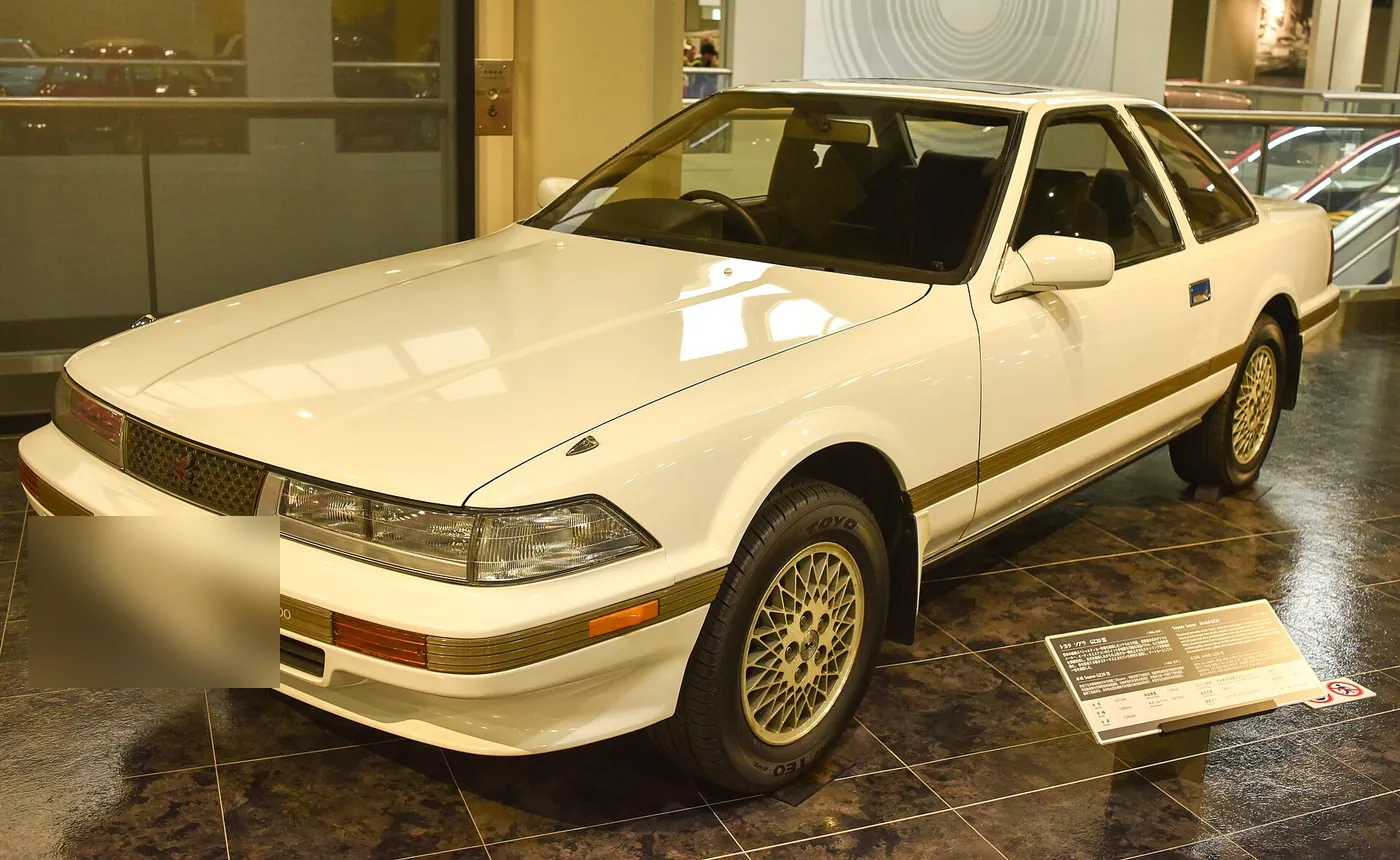
In January 1986, Toyota launched the second-generation Soarer in Japan. It was a sleek, wedge-shaped two-door coupe with a long bonnet, a low roofline and a cabin full of the latest electronics. It arrived as Japan's economy was heading into the most extraordinary boom in its modern history, and it became one of the defining cars of the era.
The Soarer was Toyota's flagship personal coupe, a car for buyers who had made it. It offered luxury, speed and technology in a package that looked modern and confident.
The specs
| Years built | 1986–1991 |
|---|---|
| Engine | 3.0 7M-GTEU turbo straight-six; 2.0 1G-GTEU twin-turbo straight-six; 2.0 non-turbo sixes |
| Power (Japan) | 230 PS (7M-GTEU) |
| Gearbox | 5-speed manual or 4-speed automatic |
| Drive | Rear-wheel drive |
| Body styles | Two-door coupe; Aerocabin retractable hardtop (limited) |
| Chassis code | GZ20, MZ20, MZ21 |
The bubble-era flagship
The late 1980s were a period of soaring land prices, booming stock markets and extravagant spending in Japan. Luxury goods sold in huge numbers, and car makers responded with cars packed with technology and features. The Soarer was one of the most prominent examples.
The Z20 shared its platform with the A70 Supra, but it was positioned as a more luxurious, refined car. The top model used the 7M-GTEU, a three-litre turbocharged straight-six producing 230 PS in Japanese specification. There was also a two-litre twin-turbo straight-six, the 1G-GTEU, and non-turbo two-litre engines in lower models.
Technology as luxury
The Soarer's appeal was its technology. Top models had a digital instrument cluster, an electronically controlled automatic gearbox and an adjustable suspension system. The 3.0GT Limited offered air suspension, which could adjust ride height and firmness.
Later models offered a touch-screen display called the Electro Multi Vision, which controlled the air conditioning and audio and could show a range of other information. It was remarkable technology for the late 1980s.
The point of all this was not only convenience. In a Japan where electronics firms were conquering the world, a car full of screens and computer-controlled systems said something about the country itself. The Soarer was a rolling showroom for that confidence, and buyers who chose it were buying into the idea that the future would be made in Japan.
Toyota gave the Soarer a facelift in 1988, with revised styling and upgraded engines. In 1989 it produced a limited edition called the Aerocabin, a version with a retractable hardtop. Only a few hundred were made, and they are now rare and sought after.
How it drives today
The Soarer is a grand tourer rather than a sports car. It is smooth, refined and comfortable, with a well-weighted steering and a supple ride on good suspension. The 7M-GTEU engine delivers strong, smooth power, and the car can cover long distances quickly and comfortably.
On Irish roads, the Soarer is a pleasant, relaxing car for longer journeys. It is fairly large and heavy, so it feels most at home on wider roads and motorways. The air suspension, if working, gives a pleasantly soft ride.
The versions worth knowing
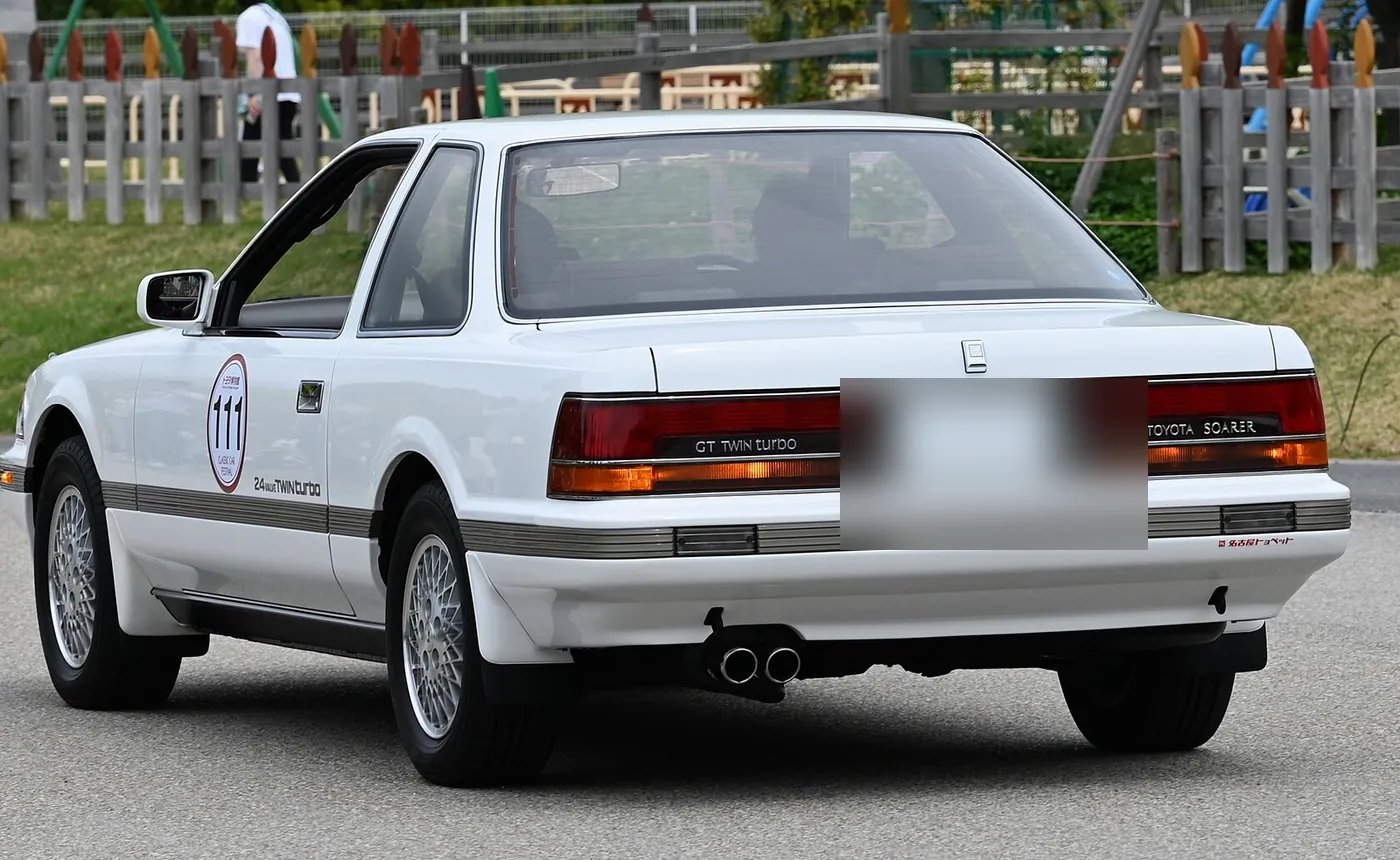
The 3.0GT Limited with the 7M-GTEU engine and full electronic equipment is the most luxurious and the most sought after. The 2.0GT Twin Turbo is a lighter, revvier alternative. Manual cars are rarer and appeal to enthusiasts, while automatics are more common and suit the car's grand-touring character.
The Aerocabin is a rare and special car, but parts for its retractable roof mechanism are scarce, so check it carefully.
What to check when buying one in Japan
Rust is a concern on cars of this age. Check the rear wheel arches, the sills, the floor, the boot floor and around the sunroof drains. Cars with sunroofs can suffer from blocked drains that cause rust and water leaks.
The electronics are the biggest worry. Digital instrument clusters, Electro Multi Vision displays and air suspension systems can all fail, and parts are scarce and expensive. Check that every electronic feature works before buying. Air suspension that has failed is often replaced with conventional springs and dampers.
The 7M-GTEU has a reputation for head gasket problems, often linked to incorrect head bolt torque. Check for signs of overheating, coolant loss and oil contamination. As with all cars of this age, treat mileage claims with caution and look for service records.
Many Soarers have been modified, particularly with engine swaps to the 1JZ or 2JZ engines. Some are well done, but originality is increasingly valued.
Should you import one?
The Z20 Soarer suits a buyer who wants a stylish, comfortable and technologically fascinating grand tourer from Japan's most extravagant era. It is a four-seat coupe, so it is more practical than many classic sports cars, and it is a pleasant car for longer journeys.
Every Z20 is now over 30 years old, which can qualify it for Ireland's vintage treatment. Ownership will require patience, particularly with electronics, and a good mechanic. Choose the most original, best-documented car you can find, with all the electronic features working. A good Z20 is a remarkable piece of 1980s Japanese technology and style.
Frequently asked questions
What engines did the Z20 Soarer use?
The top model used the 7M-GTEU three-litre turbo straight-six. There were also two-litre twin-turbo and non-turbo straight-sixes.
What is the Soarer Aerocabin?
It is a limited edition with a retractable hardtop, built in 1989 in small numbers.
What are the common problems with the Z20 Soarer?
Electronics, air suspension, rust and head gasket problems on the 7M-GTEU engine are the main concerns.
Is the Z20 Soarer old enough for vintage status in Ireland?
Yes. Every Z20 is over 30 years old, and cars over 30 years old can qualify for Ireland's vintage treatment.
More Japanese classics
- Toyota MR2 (SW20): The Baby Supercar That Grew Up Through a Decade of Changes
- Toyota MR2 (AW11): Japan's First Mass-Produced Mid-Engined Car Still Feels Like a Revelation
- Toyota Soarer (Z30): The Japanese Coupe Designed in California That Became the Lexus SC
- Toyota Crown (S130): The Saloon That Carried Japan's Bubble-Era Middle Class
- Toyota Century (G50): thirty years of quiet power in Japan's most discreet limousine
- All 90 Japanese classics you can import
Photo credits
- Photo: Coolalabright / Wikimedia Commons, CC BY 4.0
- Photo: TTTNIS / Wikimedia Commons, CC0