
Daihatsu Charade GTti: The One-Litre Turbo Hatchback That Out-Engineered Bigger Rivals
Three cylinders, twin camshafts, four valves per cylinder, a turbocharger and an intercooler: in 1987 that was an exotic recipe for a small car. The Charade GTti remains a cult classic.
By the Japan to Ireland editors · · 4 min read
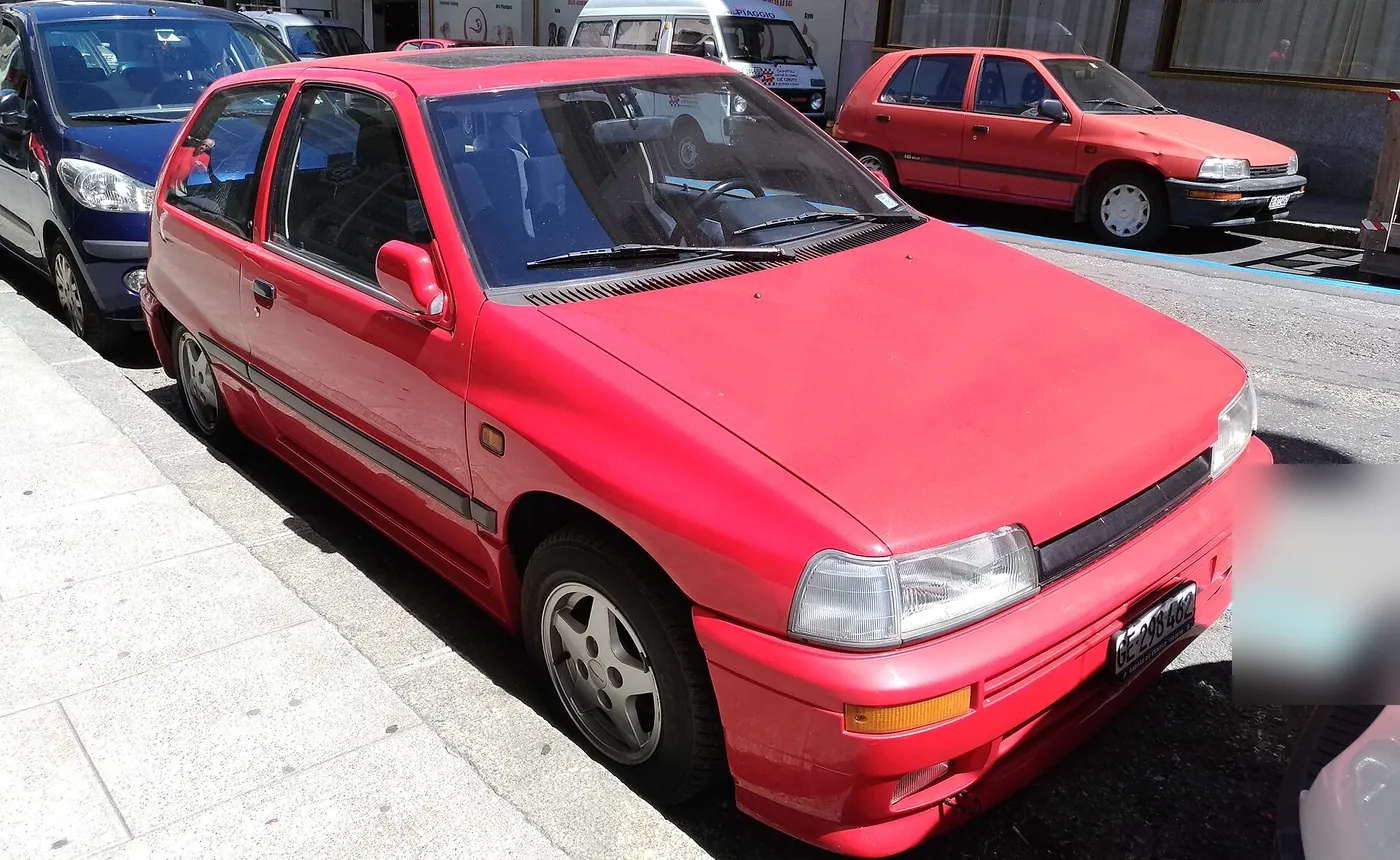
Small cars in the 1980s were usually simple machines. A four-cylinder engine with a single camshaft, a carburettor, four speeds and very little else was normal. In 1987 Daihatsu, a company best known for kei cars and compact hatchbacks, did something unusual. It took the new Charade and fitted a one-litre, three-cylinder engine with twin overhead camshafts, four valves per cylinder, a turbocharger and an intercooler. It called the result the GTti.
The engine produced about 100 PS from less than a litre, a remarkable specific output for a road car of its time. In a light three-door hatchback, that made the GTti quick enough to embarrass bigger, more expensive cars.
The specs
| Years built | 1987–1993 |
|---|---|
| Engine | 993 cc three-cylinder twin-cam turbo petrol with intercooler |
| Power | About 100 PS |
| Gearbox | 5-speed manual |
| Drive | Front-wheel drive |
| Body styles | 3-door hatchback |
| Generation | G100 Charade |
Why Daihatsu built it
Japan in the late 1980s was in the middle of its economic boom, and every manufacturer wanted to show off its engineering. Turbocharging was fashionable, and small hot hatchbacks were selling well both at home and in Europe. Daihatsu had a long history with three-cylinder engines in the Charade, and the GTti was a way to make a statement: the smallest engine in its class, but with the most advanced design.
Daihatsu was part of the Toyota group, but it kept its own identity and engineering, and the Charade was one of its most important export cars. The G100 generation was sold widely in Europe, including in Britain, where the GTti built a loyal following.
Design and engineering
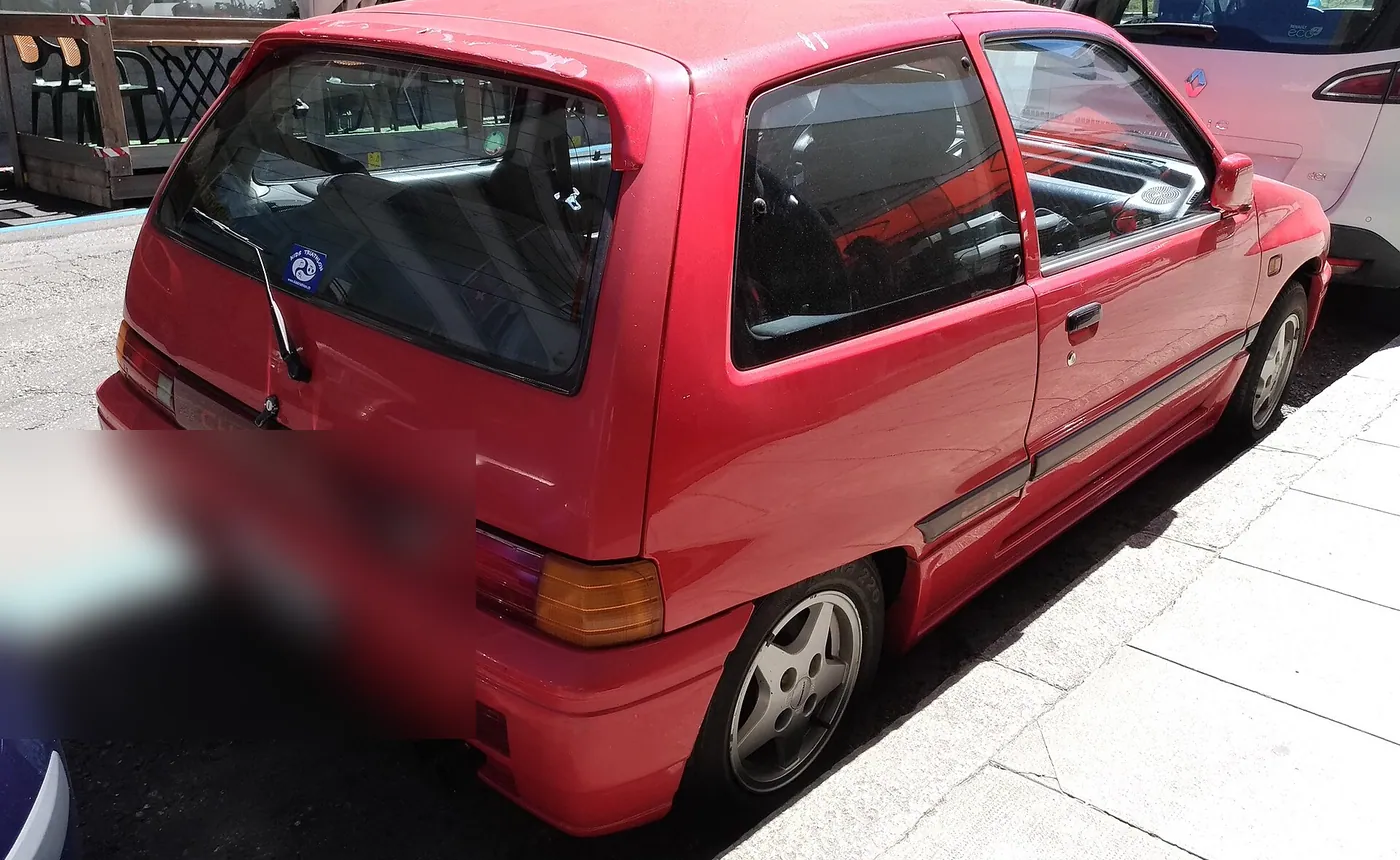
The G100 Charade body was clean and boxy in the style of the time, with a low nose and large windows. The GTti wore subtle differences: alloy wheels, a bonnet vent or scoop depending on the market, small spoilers and its badging. It did not shout about what it was.
The engine was the star. The CB-series three-cylinder had been the Charade's foundation for years, but in GTti form it was heavily developed, with a twin-cam, twelve-valve head, fuel injection, a small turbocharger and an air-to-air intercooler. A five-speed manual gearbox drove the front wheels. The car was light, which helped performance, handling and fuel economy alike.
How it drives today
A well-kept GTti feels eager and lively. Below the point where the turbo begins to work, the engine is modest, but once boost arrives the car pulls with enthusiasm, accompanied by the distinctive off-beat sound of a three-cylinder. The car is narrow and light, the steering is direct and the handling is playful, with the front-wheel-drive tendency to run wide if pushed too hard into a corner.
It is a happy car on a twisting back road in Cork or Kerry, and it is easy to park in town. Motorway cruising is noisy and busy by modern standards. Safety equipment is of its era, so it should be driven with that in mind.
Versions worth knowing
The GTti was the performance version of the G100 Charade, and in Japan it sat at the top of a range that included more ordinary petrol and diesel models. European and Japanese specifications differed in detail, including trim and equipment, so check exactly what you are buying. Japanese cars are right-hand drive and often carry factory options not seen on European cars.
Later Charades from 1993 onwards were a different generation with larger engines. The G100 GTti is the car that made the name.
What to check when buying in Japan
Rust is the most serious issue. Check the sills, the rear arches, the floor, the bottom of the doors, the tailgate and the front suspension mounting points. Many small cars of this age have been patched, and quality varies. Ask for clear photographs of the underside.
The turbocharged engine needs care. Look for blue smoke, signs of overheating, oil leaks around the turbo and head gasket, and a clean, regular idle. The turbo itself should not have excessive play. Many GTtis were modified with higher boost, aftermarket exhausts and other changes, some of them well done and some not. An original car is rarer and increasingly valued.
Parts for the GTti are not easy to find in Ireland. Common service items can be sourced, but engine-specific parts, trim and body panels may need to come from Japan or from specialists abroad. Mileage on small hatchbacks of this age is often uncertain; trust condition and records over the odometer. Make sure the auction sheet, export paperwork and chassis number all agree.
Should you import one?
The Charade GTti suits a buyer who loves light, small, quick cars and wants something different from the usual European hot hatchbacks of the period. It is cheap to fuel, fun to drive and a real conversation piece at any classic car meet in Ireland, where many people remember the Charade as a sensible family car and are surprised by what this one can do.
Every G100 GTti is over 30 years old or close to it, and cars over 30 years old can qualify for Ireland's vintage treatment. Expect to fight rust, source some parts abroad and look after the turbo carefully. In return you get one of the most cleverly engineered small cars Japan built in the 1980s.
Frequently asked questions
How big is the Charade GTti engine?
It is a 993 cc three-cylinder with twin camshafts, four valves per cylinder, a turbocharger and an intercooler.
Is the Charade GTti fast?
For its size, yes. Around 100 PS in a light body gave it performance to match larger hot hatchbacks of the time.
What is the main problem with a Charade GTti?
Rust is the biggest worry, followed by the condition of the turbocharged engine.
Are parts available in Ireland?
Basic service parts can be found, but engine-specific parts and body panels usually need to come from Japan or specialists.
More Japanese classics
- Mazda Familia GT-R: The Turbocharged Rally Hatchback That Arrived Just as the Stage Went Quiet
- Isuzu Bighorn: The Square-Shouldered Off-Roader Ireland Already Knows as the Trooper
- Daihatsu Rocky (F300): The Small, Tough Open-Top Off-Roader Europe Knew as the Feroza
- Mitsuoka Viewt: The Japanese Micra Dressed as a Classic British Saloon
- Mazda Bongo Friendee: The Pop-Top Japanese Van That Became Ireland's Favourite Small Camper
- All 90 Japanese classics you can import
Photo credits
- Photo: Guillaume Vachey from Chalon sur Saone, France / Wikimedia Commons, CC0
- Photo: Guillaume Vachey from Chalon sur Saone, France / Wikimedia Commons, CC0