
Honda Civic SiR (EG6): The Hatchback That Made the B16A a Legend
Light, low and fitted with a 170 PS VTEC engine, the fifth-generation Civic SiR became one of the most influential Japanese performance cars of the 1990s.
By the Japan to Ireland editors · · 4 min read
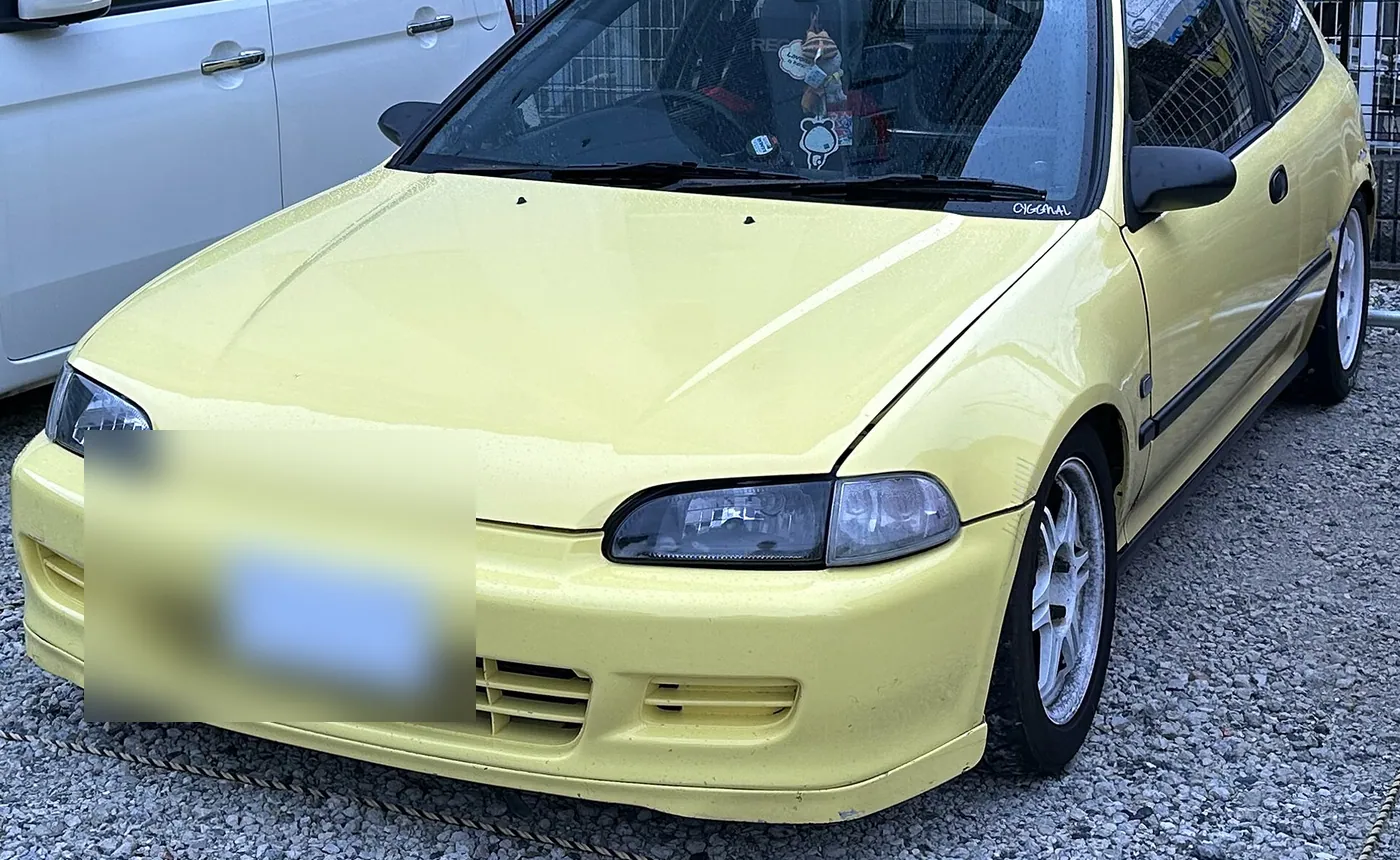
In September 1991, Honda launched the fifth-generation Civic, a car with a rounded, almost bubble-like shape that looked very different from the square Civics before it. Japan was entering a new phase. The bubble economy had burst, asset prices were falling and the mood was changing. Honda kept investing in small cars with ambitious engineering, and at the top of the Civic range it placed the EG6 SiR.
The SiR hatchback paired a light body with a 1.6-litre VTEC engine producing 170 PS. In the years that followed, the EG6 became one of the most tuned, raced and copied Japanese cars of its generation.
The specs
| Years built | 1991–1995 |
|---|---|
| Engine | 1.6-litre B16A DOHC VTEC four-cylinder |
| Power | 170 PS |
| Gearbox | Five-speed manual |
| Drive | Front-wheel drive |
| Body styles | Three-door hatchback |
| Suspension | Double wishbones front and rear |
Why it was built
The Civic was Honda's most important car, sold in large numbers around the world. In Japan, competition in the small-car market was fierce, and makers fought for young drivers with quick versions of their family hatchbacks. Honda's SiR models were its answer. They carried technology from its bigger sports cars into a car that ordinary buyers could afford and insure.
The EG generation also included saloon versions sold as the Civic Ferio, and an SiR version of the Ferio shared the same engine. The hatchback, with its lighter body and short tail, became the enthusiast's favourite.
The EG generation ran until 1995, when the sixth-generation EK Civic replaced it. The EK range later gained a Type R version, and much of what made that car celebrated can be traced back to the lessons of the EG6 SiR: low weight, a free-revving engine and a chassis that talks to the driver.
Design and engineering
The EG6 uses the B16A, a 1.6-litre twin-cam four-cylinder with VTEC. In this car, it produces 170 PS and revs eagerly to a high limit. Below the VTEC switchover point, it is calm and smooth; above it, the engine sharpens and pulls hard to the redline.
Like the Civics before it, the EG uses double wishbone suspension at each corner. Combined with low weight and a stiff body, this gives the car precise and adjustable handling. The cabin is simple and functional, with a low driving position, clear dials and a thin-rimmed wheel. Higher SiR-II trims added more equipment.
The rounded body was designed for aerodynamic efficiency and visibility. Large glass areas make the cabin feel airy, and the rear tailgate gives the hatchback useful practicality.
How it drives today
A healthy EG6 feels nimble and alive. The steering is quick and accurate, the car responds immediately to the throttle, and the chassis lets a skilled driver tighten a line by lifting off. On a wet day, the grip limit is lower, so treat it with respect.
On Irish roads, the EG6 is at home on winding regional roads and country lanes. The ride is firm but manageable on a standard car, though lowered and stiffened cars can be hard work over potholes. On the motorway, it cruises without fuss but with noticeable engine and road noise.
Variants worth knowing
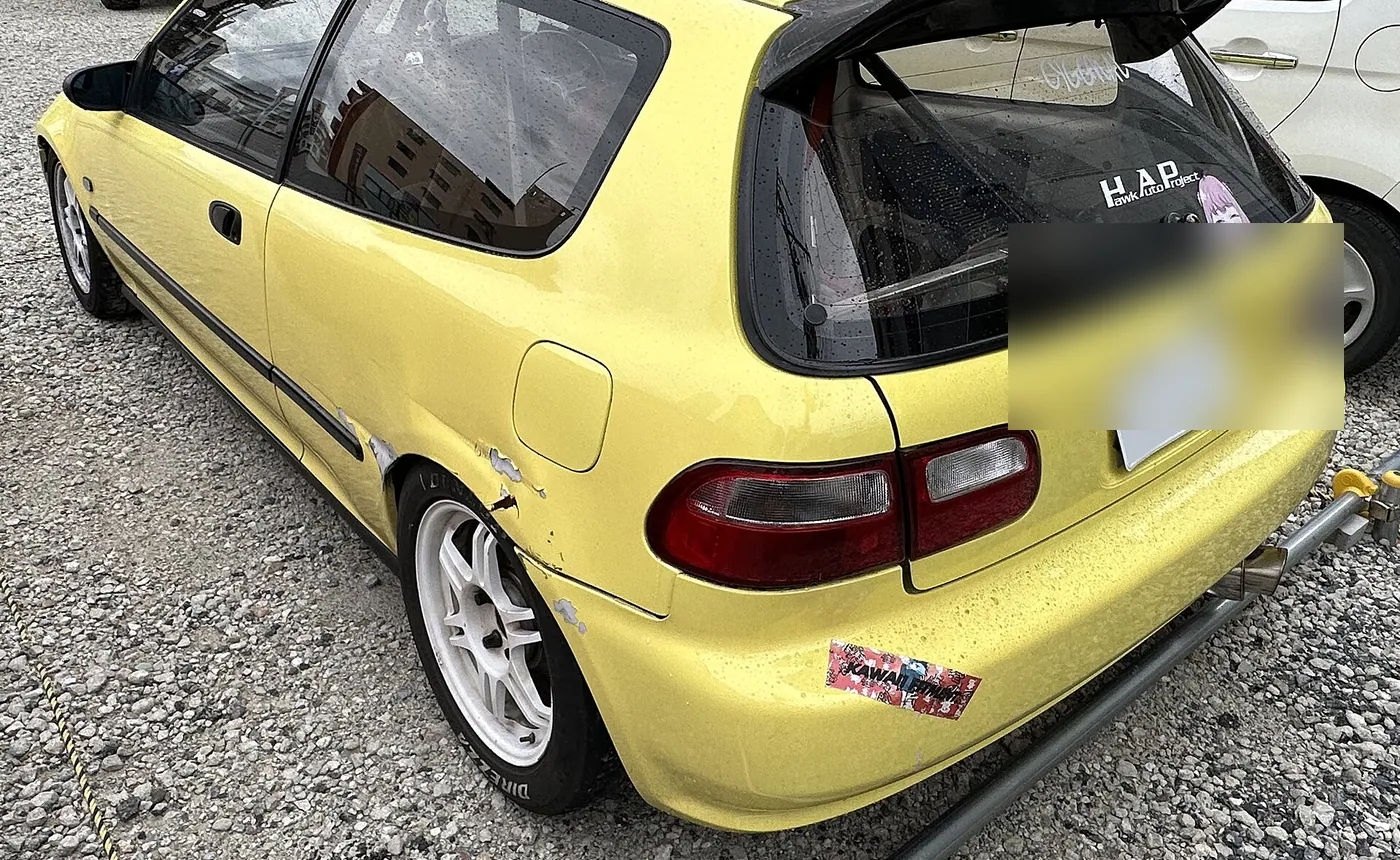
The SiR and SiR-II hatchbacks are the main targets for collectors. The Ferio SiR saloon offers the same engine in a more practical and often less abused body. The VTi and other lesser Civics of this generation used smaller engines and are much less sought after, though some have been converted to look like an SiR. Check documents and engine numbers to confirm a real EG6.
What to check when buying in Japan
Modified cars are the norm. Engine swaps, aftermarket suspension, wheels, exhausts, bucket seats and roll cages are common, and many cars have been used on track or in hill climbs. A standard or lightly modified car is rare and worth seeking out. If the engine is not the original B16A, make sure the documents reflect it.
Rust appears in the rear wheel arches, sills, rear floor and around the rear suspension mounts and fuel filler. Look for bubbling under paint and corrosion hidden by side skirts. Check the gearbox for worn synchros and listen for noises from the differential and wheel bearings.
Like many sporting Hondas of the 1990s, the EG6 was a frequent theft target in Japan, and some cars were stolen and stripped, then rebuilt. Look at chassis numbers, labels and panels carefully, and walk away if anything appears altered. An auction sheet and export certificate that match the car are essential. Odometer readings on cars of this type deserve caution.
Should you import one?
If you want a classic hot hatch with real performance and a celebrated engine, the EG6 SiR is one of the best choices from Japan. It is light, right-hand drive, practical enough for regular use and supported by a large community of enthusiasts.
Original cars are scarce, and insurance for a performance import can need some shopping around. Cars over 30 years old can qualify for Ireland's vintage treatment, which covers many EG6 models. Buy the most original car you can find, check its identity carefully, and keep it dry through Irish winters.
The good news is that mechanical parts for the B16A and the EG chassis remain widely available, thanks to the huge tuning scene that grew around these cars. Interior trim and clean body panels are harder to find, so a complete car is always the better starting point.
Frequently asked questions
What engine does the Civic SiR EG6 use?
The 1.6-litre B16A DOHC VTEC four-cylinder, producing 170 PS.
Is there a saloon version?
Yes. The Civic Ferio SiR saloon shared the same engine and is often less modified than the hatchback.
Why are original EG6s rare?
Most were modified, raced or swapped by enthusiasts, and many were stolen and stripped, so standard cars are hard to find.
What rust should I look for?
Rear wheel arches, sills, the rear floor and rear suspension mounts, often hidden behind side skirts.
More Japanese classics
- Honda CR-X (EF8): The Wedge-Shaped Coupe That Brought VTEC to the Street
- Honda Beat: The Tiny Mid-Engined Roadster That Revs Like a Racing Motorbike
- Honda Integra Type R (DC2): The Front-Wheel-Drive Car Many Rate the Best Ever Made
- Honda Prelude (third generation): The Low, Sleek Coupe With Steering in the Back
- Honda City Turbo II: The Tall Little Bulldog That Made Japan Grin in 1983
- All 90 Japanese classics you can import
Photo credits
- Photo: Tokumeigakarinoaoshima / Wikimedia Commons, CC BY-SA 4.0
- Photo: Tokumeigakarinoaoshima / Wikimedia Commons, CC BY-SA 4.0