
Honda Integra Type R (DC2): The Front-Wheel-Drive Car Many Rate the Best Ever Made
Hand-finished engines, a stripped-out body and a helical limited-slip differential made the DC2 Type R a benchmark that still defines how a hot Honda should feel.
By the Japan to Ireland editors · · 4 min read
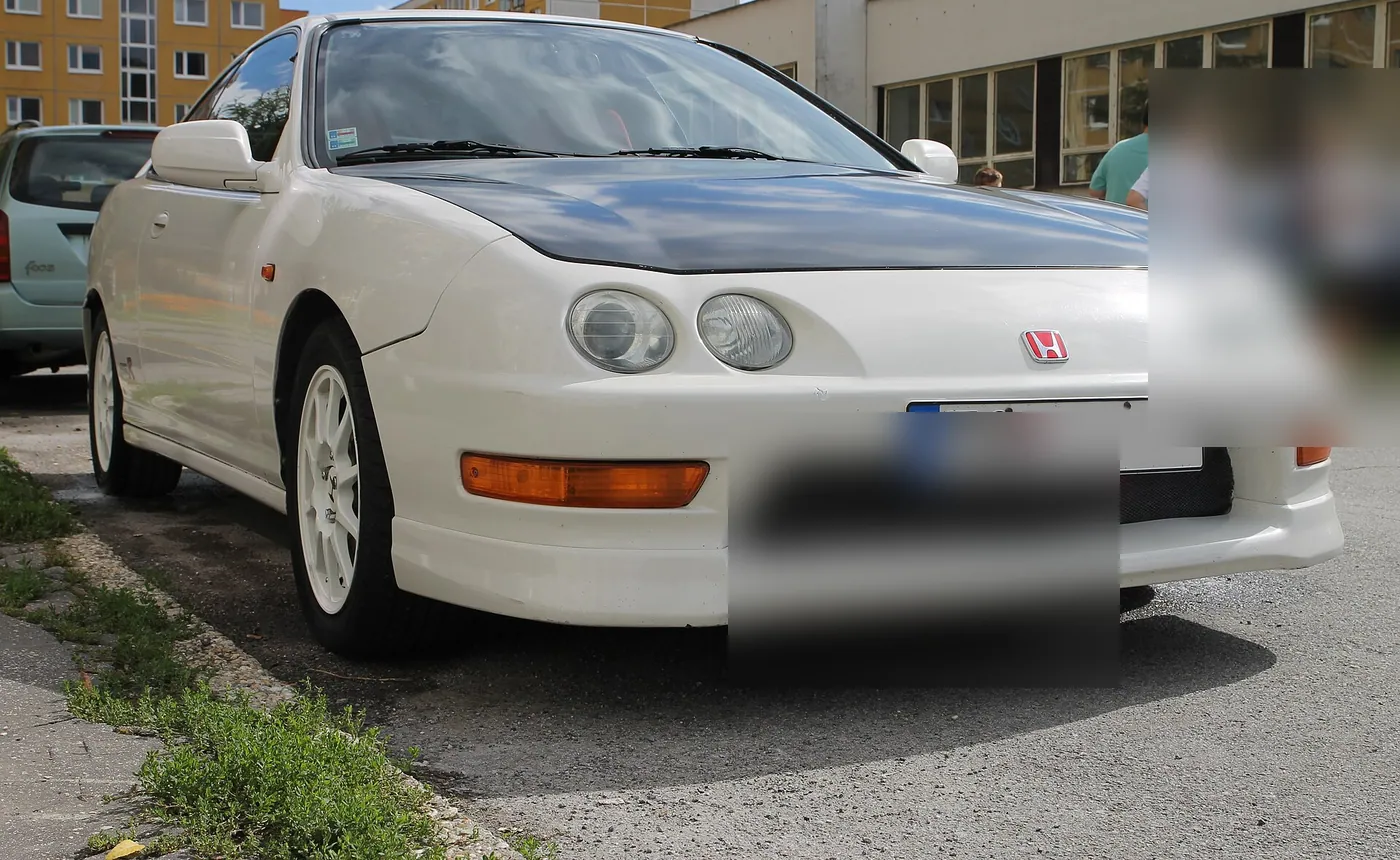
In 1995, Honda released a car built in the spirit of a racing machine but sold through ordinary dealerships. The Integra Type R took the third-generation Integra coupe and stripped, stiffened and sharpened it. Its 1.8-litre engine produced 200 PS without turbocharging, an extraordinary figure for a naturally aspirated road car engine of that size in its time.
The Type R name had first appeared in 1992 on the NSX-R. With the Integra, Honda brought the idea to a car that young drivers could afford. Many journalists and drivers since have called the DC2 Type R the finest front-wheel-drive car ever made.
It was replaced in 2001 by the DC5 Integra Type R, a heavier and more modern car with a 2.0-litre K-series engine and a six-speed gearbox. The DC5 is quick and capable, but for many enthusiasts the lighter, rawer DC2 remains the high point.
The specs
| Years built | 1995–2001 |
|---|---|
| Engine | 1.8-litre B18C DOHC VTEC four-cylinder, Type R tune |
| Power | 200 PS |
| Gearbox | Five-speed manual, close ratio |
| Drive | Front-wheel drive with helical limited-slip differential |
| Body styles | Three-door coupe; four-door saloon |
| Distinctive feature | Weight-reduced body and stiffened chassis |
Why it was built
By the mid-1990s, Japan's economy was in a long slump, but Honda continued to invest in performance. It wanted a car that could compete in Japanese production racing and that would express its engineering identity. The Integra was an ideal base: light, compact and already equipped with VTEC engines.
The Type R programme went beyond adding power. Honda reduced weight, stiffened the body, revised the suspension and fitted a limited-slip differential. The aim was a car that felt tightly connected to the road.
Design and engineering
The B18C engine in Type R form was refined with lightened internals, polished intake ports, higher compression and high-lift camshafts. It produced 200 PS and revved to more than 8,000 rpm. The engine was mated to a close-ratio five-speed manual gearbox and a helical limited-slip differential, which improved traction when accelerating out of corners.
Honda removed weight by using thinner glass in places, reducing sound deadening and simplifying the interior. The body was stiffened with additional bracing. Suspension was firmer and lower than standard Integras. Inside, Type Rs had supportive sports seats and a lightweight steering wheel. The three-door coupe was joined by a four-door saloon version.
The signature colour was Championship White, with the Type R badge in red, though other colours were available.
How it drives today
The DC2 Type R feels urgent and precise. The steering is sharp and communicative, the chassis responds instantly to small inputs, and the limited-slip differential pulls the car out of corners with purpose. The engine is the centrepiece: smooth and flexible at low revs, then fierce and urgent above the VTEC changeover, singing all the way to its limit.
On Irish roads, the firm suspension means bumps and potholes are felt strongly, and road noise is high because of the reduced sound deadening. On a smooth, twisting road with clear sightlines, it feels like few other cars of any age.
Variants worth knowing
Japanese-market cars are often referred to as 96-spec and 98-spec. The later cars brought revisions including five-stud wheel hubs and detail changes to gearing and equipment. Both are highly sought after. The four-door saloon is rarer and more practical. Standard Integras of the same generation, including the Si VTEC models, are far more common and are sometimes converted to look like Type Rs, so check documents carefully.
What to check when buying in Japan
Theft is the major issue. The DC2 Type R was one of the most stolen cars in Japan, and many were stripped for parts. Some have been rebuilt using parts from other cars. Check chassis numbers, labels, identification plates and panels very carefully, and look for evidence of replacement or tampering. An auction sheet and export certificate that match the car are essential.
Many cars have been modified or used on track. A standard or lightly modified car with service history is worth far more to a collector than a heavily tuned one. Check the gearbox for worn synchros, especially on second and third, and listen for differential or wheel bearing noise. Look for oil leaks and smoke.
Rust is common around the rear wheel arches, sills and rear quarter panels, often hidden by side skirts. Check the floor and under the boot carpet. Odometer readings on such popular cars should always be treated with caution.
Should you import one?
If you want one of the most rewarding front-wheel-drive cars ever built, the DC2 Type R is hard to beat. It is right-hand drive, compact, and a genuine performance icon.
It is also firm, noisy and demanding of maintenance, and insurance can be challenging. Cars over 30 years old can qualify for Ireland's vintage treatment, which applies to some early examples. Buy a car with verified identity and history, keep it secure at home, and expect a car that rewards every drive on a good road.
Fit a proper immobiliser or tracker and think about where it will be parked overnight. Mechanical parts for the B18C are still reasonably easy to source, but genuine Type R trim, seats and body parts are scarce and keenly sought, so originality is worth protecting.
Frequently asked questions
How powerful is the Integra Type R DC2?
Its 1.8-litre B18C engine in Type R tune produces 200 PS without turbocharging.
What is the difference between 96-spec and 98-spec?
They are Japanese terms for earlier and later cars; the later cars brought revisions including five-stud wheel hubs.
Why is theft history important?
The DC2 Type R was one of the most stolen cars in Japan, and some were stripped and rebuilt, so verify its identity carefully.
Is there a four-door Integra Type R?
Yes. A four-door saloon version was offered alongside the coupe and is rarer.
More Japanese classics
- Honda Civic SiR (EG6): The Hatchback That Made the B16A a Legend
- Honda CR-X (EF8): The Wedge-Shaped Coupe That Brought VTEC to the Street
- Honda Prelude (third generation): The Low, Sleek Coupe With Steering in the Back
- Honda City Turbo II: The Tall Little Bulldog That Made Japan Grin in 1983
- Honda Today: The Long, Low Kei Car That Rewrote Japan's Smallest Class
- All 90 Japanese classics you can import
Photo credits
- Photo: Ths / Wikimedia Commons, CC BY-SA 3.0