
Isuzu 117 Coupe: Giugiaro's Early Masterpiece and Japan's Most Elegant 1970s Coupe
Drawn by a young Giorgetto Giugiaro at Ghia and hand-finished in its early years, the 117 Coupe gave a truck maker an Italian-styled grand tourer. It remains one of the loveliest shapes Japan ever produced.
By the Japan to Ireland editors · · 4 min read
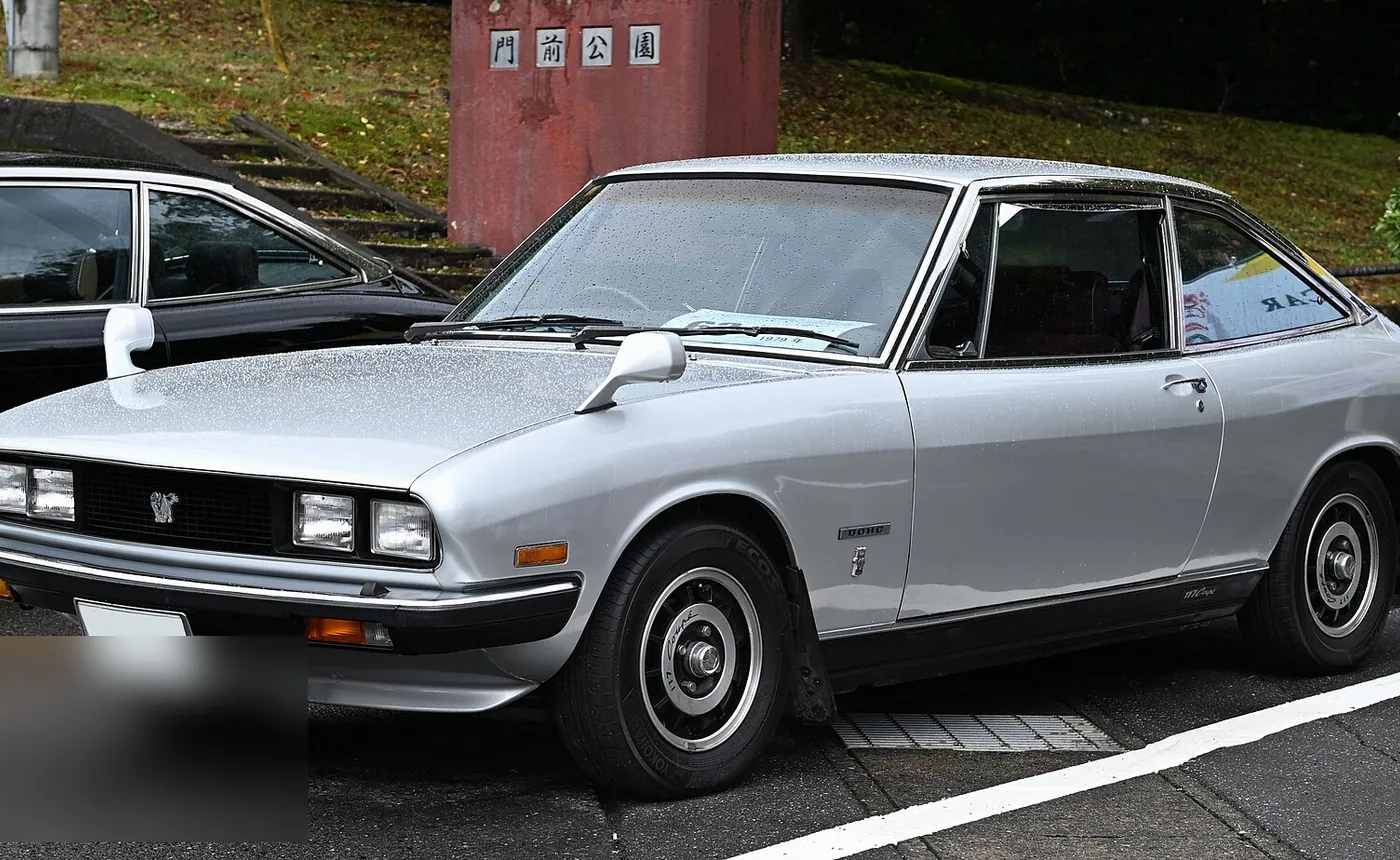
At the Geneva Motor Show in 1966, the Italian coachbuilder Ghia displayed a slim, graceful coupe with a long bonnet and a delicate glasshouse. It was called the Ghia-Isuzu 117 Sport, and the man who drew it was Giorgetto Giugiaro, then in his twenties and working as Ghia's chief designer. Few people outside Japan knew much about Isuzu. It was a maker of trucks and buses, with a modest range of saloon cars.
Two years later, in 1968, the production 117 Coupe went on sale in Japan. It would stay in production until 1981, and in that time it became the car that many Japanese enthusiasts point to when they talk about elegance.
The specs
| Years built | 1968–1981 |
|---|---|
| Engine | 1.6, 1.8 and 2.0-litre four-cylinder petrol (twin-cam and single-cam versions) |
| Power | Varied widely by engine and year |
| Gearbox | Manual; automatic on some versions |
| Drive | Rear-wheel drive |
| Body styles | 2-door coupe |
| Styling | Giorgetto Giugiaro at Ghia |
Why Isuzu built it
Japan in the late 1960s was growing at a remarkable pace. Car ownership was spreading quickly, the expressway network was expanding, and manufacturers were keen to show that they could build cars of style and quality, not just volume. Isuzu wanted a flagship that would lift the image of its passenger car range. Commissioning an Italian design house was a way to gain instant credibility, and the 117 Coupe did exactly that.
The car shared its underpinnings with the Isuzu Florian saloon, but the body was entirely its own.
Design and engineering
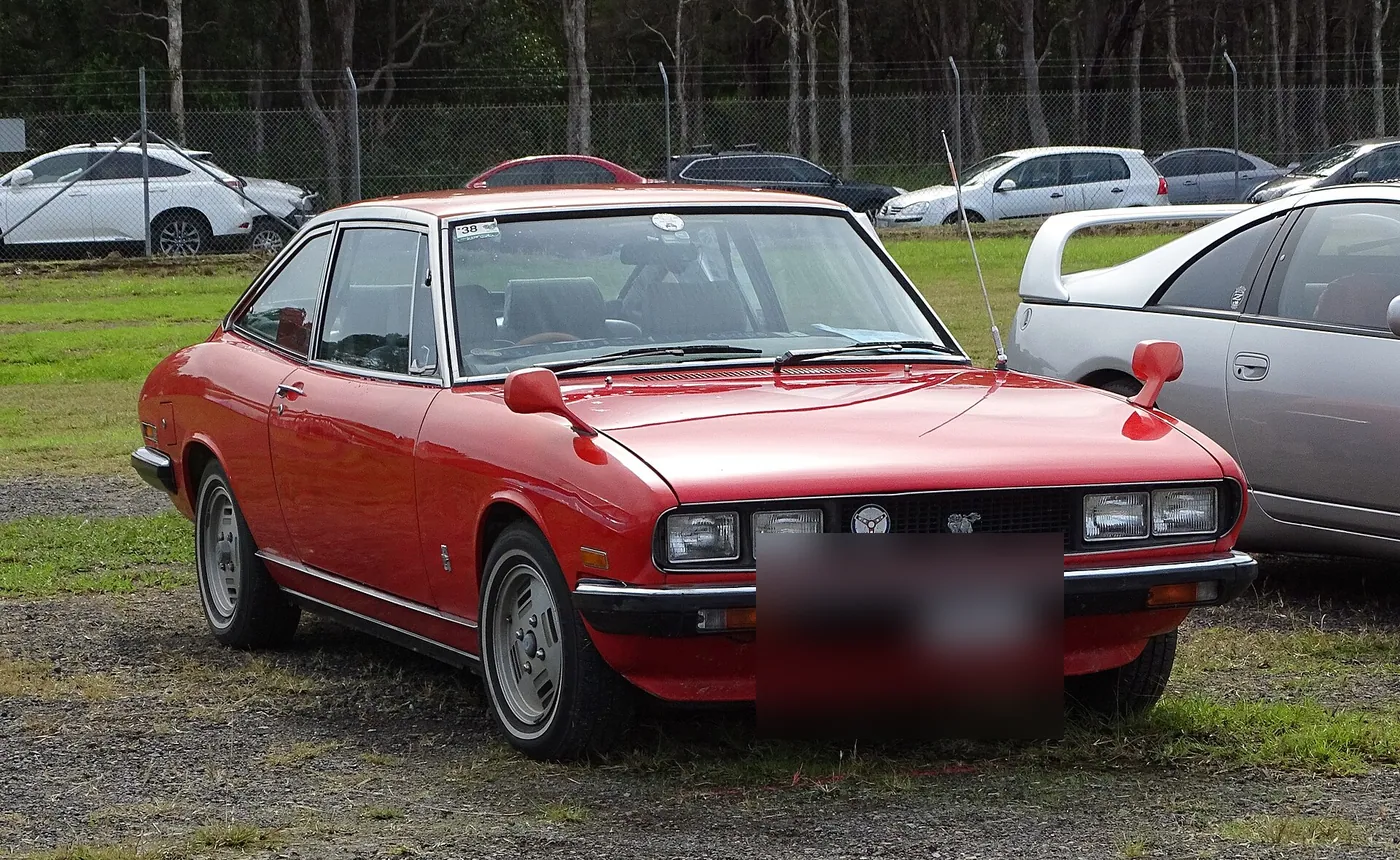
Giugiaro's shape is the reason the 117 is collected today. The proportions are long and low, the pillars are thin, the side windows are large and the tail is clean. There is very little ornament. It looks Italian because it is, in spirit.
The first cars were difficult to build. Early 117 Coupes had a great deal of hand finishing in their body panels, and Japanese enthusiasts call these the handmade cars. They are the most prized. From around 1973 Isuzu reworked the production process for higher volume, which made the car more affordable but changed some details. In 1977 a facelift brought rectangular headlamps, which divide opinion; many collectors prefer the earlier round-lamp cars.
The engines were four-cylinder units, beginning with a 1.6-litre twin-cam in the first cars. In 1970 Isuzu offered a version with electronic fuel injection, one of the early applications of the technology in a Japanese production car. Later engines grew to 1.8 and 2.0 litres, in both twin-cam and single-cam form. The car is rear-wheel drive with a conventional layout.
How it drives today
A good 117 Coupe is a gentle, rewarding car. It is light by modern standards, the steering is unassisted on many examples and pleasantly direct, and the twin-cam engines like to rev. It feels like an Italian coupe of its era: delicate, communicative and best enjoyed at a measured pace on a winding road.
Brakes, tyres and suspension bushes should be in good order, because a tired example can feel vague. Comfort is reasonable, and the view out through the thin pillars is excellent. It is a car for a summer drive through Wicklow, not for daily commuting on the M50.
Versions worth knowing
The handmade cars of 1968 to about 1973 are the rarest and most valuable. The fuel-injected version and the other twin-cam variants are the enthusiast choices. The mass-production cars from 1973 to 1977 keep the round headlamps and are more readily found. The facelifted cars from 1977 to 1981 are the most common and the most practical, though the square-headlamp nose is less admired.
What to check when buying in Japan
Rust is the great problem. Check the sills, floor pans, the lower front wings, the bottoms of the doors, the boot floor and the area around the rear window. A 117 that looks clean on top can be badly corroded underneath, and the body construction of the early cars makes repair skilled and slow. Ask for underside photographs and read the auction sheet carefully.
Parts supply is mostly through Japanese specialists and owners' clubs. Mechanical parts can be found with patience, but trim, chrome and glass for the handmade cars are scarce. Many cars have been restored, some to a high standard and some less so; ask for records. Engine swaps and modified suspension are not unusual. Mileage on a car of this age is rarely verifiable, so judge on condition. Ensure the export paperwork and chassis number match.
Should you import one?
The 117 Coupe suits a collector who loves design and is prepared for the work a 1970s Japanese car can require. In Ireland it will be a rare sight, and it carries a story most onlookers will not know: a truck maker, an Italian coachbuilder, and a young designer who would go on to shape some of the most famous cars of the century.
Every 117 Coupe is over 30 years old, and cars over 30 years old can qualify for Ireland's vintage treatment. Buy the most solid body you can find, keep it dry, and it will be one of the most beautiful things in any garage.
Frequently asked questions
Who designed the Isuzu 117 Coupe?
Giorgetto Giugiaro, working at Ghia, designed the car, first shown as the Ghia-Isuzu 117 Sport at Geneva in 1966.
What is a handmade 117 Coupe?
The early cars built from 1968 until about 1973, which had extensive hand finishing and are the most sought after.
Is rust a serious issue?
Yes. Sills, floors, lower wings and the boot floor all need careful inspection.
Does the 117 Coupe qualify as a vintage car in Ireland?
Every example is over 30 years old, which can qualify it for Ireland's vintage treatment.
More Japanese classics
- Subaru Sambar (classic): The Rear-Engined Kei Truck That Carried Japan's Small Businesses
- Subaru Alcyone SVX: The Glass-Canopy Grand Tourer Japan Built at the Height of Its Confidence
- Isuzu Piazza: The Giugiaro Concept Car That Made It to the Showroom Almost Unchanged
- Isuzu Bighorn: The Square-Shouldered Off-Roader Ireland Already Knows as the Trooper
- Mazda Familia GT-R: The Turbocharged Rally Hatchback That Arrived Just as the Stage Went Quiet
- All 90 Japanese classics you can import
Photo credits
- Photo: TTTNIS / Wikimedia Commons, CC0
- Photo: FotoSleuth / Wikimedia Commons, CC BY 2.0