
Nissan Fairlady Z (Z31): the turbo V6 coupe that defined the 1980s Z
The Z31 brought V6 power, digital-era styling and a T-top roof to the Fairlady Z. Long overlooked, it is now a characterful 1980s classic and a straightforward one to import.
By the Japan to Ireland editors · · 4 min read
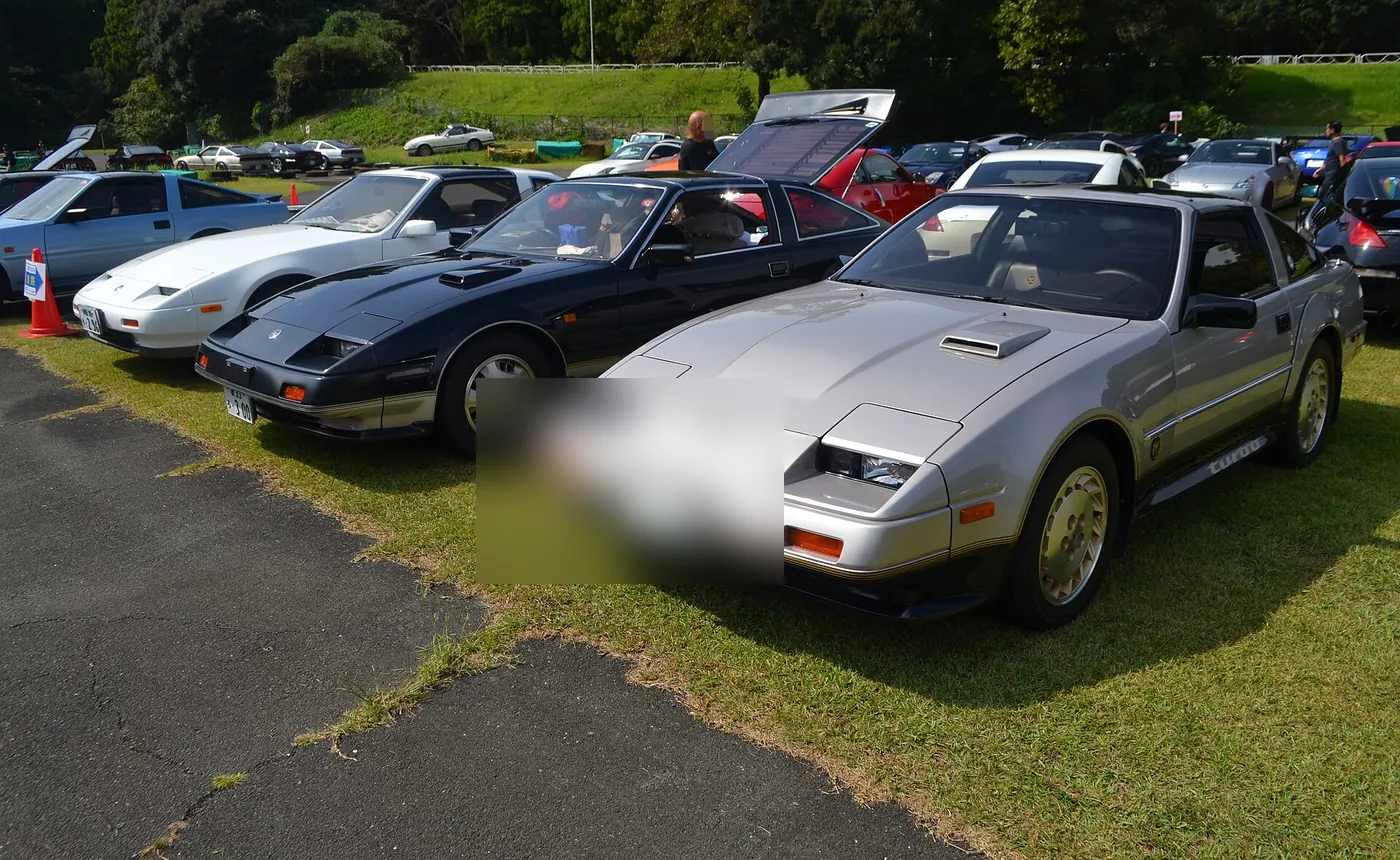
Picture a Japanese city at night in the mid-1980s: neon, wet streets, a low silver coupe gliding past with its headlamps half-raised. The Z31 Fairlady Z was made for that scene. It was the car that took the Z into the turbo age, swapping the classic straight-six for a modern V6 and adding all the electronics a bubble-era buyer could want.
The specs
| Years built | 1983–1989 |
|---|---|
| Engine | V6 (VG series) in 2.0- and 3.0-litre forms, turbo and non-turbo; straight-six RB20DET in the 200ZR |
| Power | Varies by engine; turbocharged versions were the strongest |
| Gearbox | Five-speed manual or four-speed automatic |
| Drive | Rear-wheel drive |
| Body styles | Two-seat and 2+2 coupe; T-top roof available |
| Export name | 300ZX |
A new Z for a new decade
The Z31 went on sale in 1983. Its predecessor, the S130, had grown softer and heavier, and Nissan wanted the third-generation Z to feel sharper and more modern. Japan's economy was surging, the domestic market wanted technology, and America remained the most important export market, where the car was sold as the 300ZX.
The key change was under the bonnet. Nissan's new VG-series V6 engine had been introduced in 1983, and the Z31 used it in both 2.0-litre and 3.0-litre forms, with and without turbocharging. The shorter V6 allowed a lower bonnet line and a more aerodynamic shape.
Design and engineering
The styling is wedge-shaped and clean, with semi-concealed headlamps that sit partly exposed in the front wings and rise when switched on. The tail is wide and flat, with a full-width light panel. The T-top roof, with removable glass panels, was a popular option. Two-seat and 2+2 versions were offered.
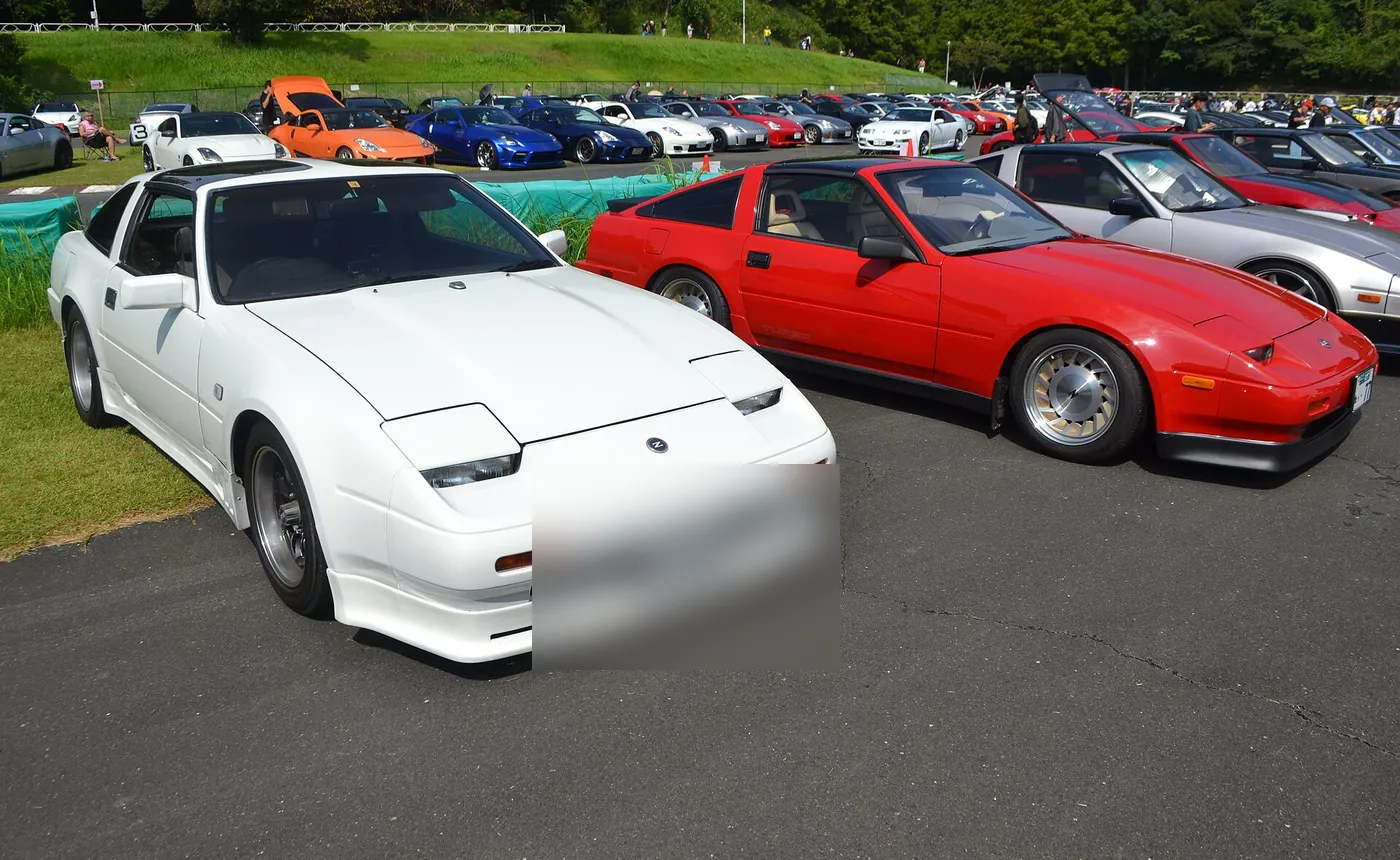
Suspension was by struts at the front and semi-trailing arms at the rear, and some versions had adjustable dampers controlled from the cabin. The car was facelifted in 1986 with wider, flared wheel arches and revised bumpers, which gave it a more muscular stance.
In Japan, the range also included the 200ZR from 1985, which used the RB20DET, a 2.0-litre turbocharged twin-cam straight-six, rather than a V6. A twin-cam 3.0-litre V6 version, the 300ZR, arrived in 1986.
How it drives today
The Z31 feels like a grand tourer more than an out-and-out sports car. The turbo V6 versions pull well once boost builds, the ride is comfortable, and the cabin is spacious for two. Steering is power-assisted and light. It is a relaxed, enjoyable car on the motorway and on fast N-roads, with a pleasant period atmosphere inside: angular dashboard, chunky switches and, in some cars, digital instruments.
On wet Irish roads the turbo cars deserve respect, as power can arrive suddenly at the rear wheels.
Variants worth knowing
The 3.0-litre turbocharged V6 cars are the most powerful and the most sought after. The 300ZR, with its twin-cam V6, is the most interesting Japanese-market version for enthusiasts. The 200ZR, with its straight-six RB engine, is a curiosity. The 2.0-litre V6 turbo cars were popular in Japan because of tax rules. Two-seaters are lighter and sleeker, while 2+2s are more practical. T-top cars are common, and the roof seals need checking.
Buying one in Japan
Rust is the first concern. Look at the sills, rear wheel arches, the floors, the battery area, the rear hatch and the lower edges of the doors. T-top seals can leak and let water into the cabin, which then rusts the floor from the inside. Lift the carpets if you can.
Electronics and interior trim can be the hardest parts of the car to fix. Digital dashboards, adjustable dampers and power accessories need testing. Interior plastics from the 1980s become brittle. Mechanical parts for the VG engine are reasonably available, but some body and trim parts are scarce.
Many Z31s have been modified, especially turbo cars with higher boost. Check the turbo and intercooler pipework, listen for smoke on start-up and look for signs of overheating. Mileage should be supported by records, as instrument clusters are often replaced, especially on digital-dash cars.
The Japanese paperwork should be checked against the car itself. The chassis number on the export certificate must match the plate in the engine bay and the stamping on the body, and the model code tells you which engine the car was built with. That matters, because swaps from 2.0-litre to 3.0-litre engines are not unusual, and a buyer who wants originality should know exactly what they are looking at. The auction sheet's grade gives a useful snapshot of condition, but it is a starting point, not a guarantee. Ask for detailed photographs of the underside, the sills and the inside of the rear hatch area. A Z31 with honest, documented history and a straight, dry body is worth waiting for, and there are enough of them in Japan that patience is usually rewarded.
Should you import one?
The Z31 suits someone who loves 1980s design and wants a comfortable, well-built Japanese sports coupe that does not carry the price of a GT-R. It is an easy car to use, with good parts support for its engines and a growing following.
It is right-hand drive, and every Z31 is now over 30 years old, so it can qualify for Ireland's vintage treatment. Choose a car with a solid body and a working roof, keep it in a dry garage over winter, and find a mechanic familiar with older turbocharged engines. With those boxes ticked, a Z31 makes a stylish, relaxed classic for Irish roads.
Frequently asked questions
What engine does the Z31 Fairlady Z use?
Most use Nissan's VG-series V6 in 2.0- or 3.0-litre form, with or without a turbo; the Japanese 200ZR used the RB20DET straight-six.
Is the Z31 the same as the 300ZX?
Yes. The 300ZX was the export name for the Z31 Fairlady Z.
Do T-top Z31s leak?
They can. Worn roof seals let water into the cabin, so check the floors and carpets carefully.
Is a Z31 old enough for vintage status in Ireland?
Yes. Every Z31 is over 30 years old, so it can qualify for Ireland's vintage treatment.
More Japanese classics
- Datsun Fairlady Z (S30): the affordable sports car that won over the world
- Nissan Skyline GT-R R33: the bigger, calmer GT-R that proved itself at the Nürburgring
- Nissan Fairlady Z (Z32): the twin-turbo Z that set Japan's 280 PS ceiling
- Datsun Fairlady Roadster (SR311): the open two-seater that took on Britain's best
- Toyota Sports 800: the featherweight twin that taught Toyota how to have fun
- All 90 Japanese classics you can import
Photo credits
- Photo: 先従隗始 / Wikimedia Commons, CC0
- Photo: 先従隗始 / Wikimedia Commons, CC0