
Nissan Fairlady Z (Z32): the twin-turbo Z that set Japan's 280 PS ceiling
The Z32 arrived in 1989 with a twin-turbo V6, four-wheel steering and styling that still looks modern. It is a brilliant road car, but its packed engine bay makes careful buying essential.
By the Japan to Ireland editors · · 4 min read
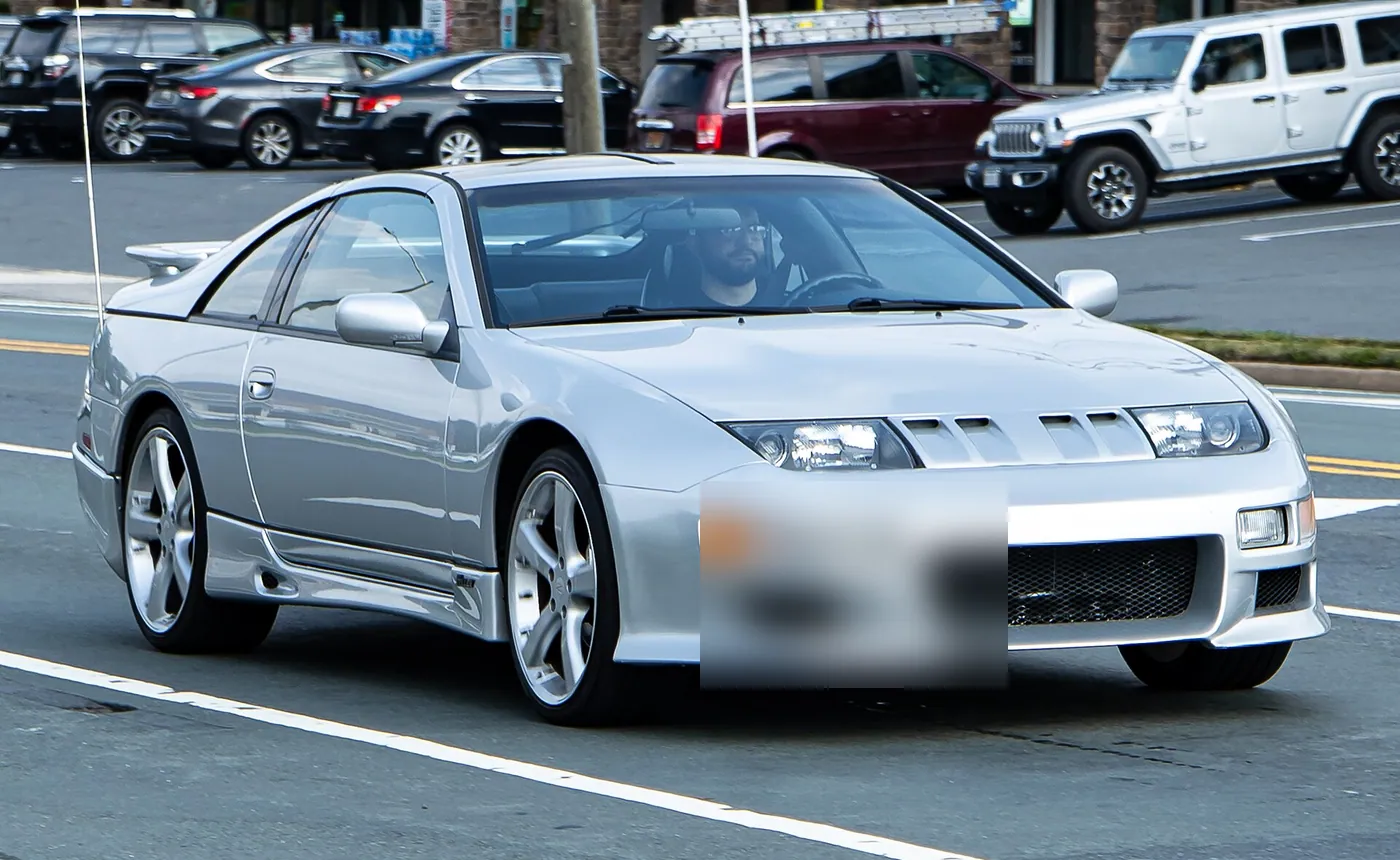
When the Z32 Fairlady Z went on sale in 1989, its twin-turbocharged engine was rated at 280 PS. That number became famous. For the next fifteen years, Japanese makers kept their domestic-market cars at or below that figure under a voluntary agreement, and the Z32 was the first car to reach it. It marked the start of a golden age of Japanese performance cars.
It also looked like nothing else on the road. Low, wide and smooth, with headlamps set behind long, raked covers, it still looks modern more than 30 years later.
The specs
| Years built | 1989–2000 |
|---|---|
| Engine | 3.0-litre V6 (VG30DE) or twin-turbo V6 (VG30DETT) |
| Power | 230 PS non-turbo; 280 PS twin-turbo (Japanese net ratings) |
| Gearbox | Five-speed manual or four-speed automatic |
| Drive | Rear-wheel drive |
| Body styles | Two-seat and 2+2 coupe; T-top roof; convertible from 1992 |
| Steering | Super HICAS four-wheel steering on twin-turbo cars |
| Export name | 300ZX |
The bubble at its peak
The Z32 was developed at the height of Japan's economic boom. Nissan had committed to building cars that could compete with the best in the world, and the Z32 was given the budget to match. It used computer-aided design extensively for its time and was engineered as a serious sports car, a step away from the softer touring character of the Z31.
In America and Europe it was sold as the 300ZX. In Japan it remained the Fairlady Z.
Design and engineering
The engine was a 3.0-litre twin-cam V6 from the VG family, offered with or without twin turbochargers. The twin-turbo VG30DETT made 280 PS, while the naturally aspirated VG30DE made 230 PS. Drive went to the rear wheels through a five-speed manual or a four-speed automatic.
The twin-turbo cars had Super HICAS four-wheel steering, and the suspension used multi-link designs front and rear. The body was offered as a two-seater or a 2+2 with a longer wheelbase, and most had a T-top roof. A convertible was added in 1992.
The price of all this sophistication is that the engine bay is famously crowded. The V6, two turbos and intercoolers are packed so tightly that many jobs, including turbo replacement, involve significant labour.
How it drives today
The twin-turbo Z32 is still fast and feels it. Power builds smoothly, the V6 sounds rich and the car pulls hard through the mid-range. The chassis is stable and composed, with the four-wheel steering helping the car feel planted at speed. It is a heavier, more grown-up car than the Z31, and comfortable on long drives.
The naturally aspirated cars are slower but simpler and easier to own, and they still deliver the looks and much of the feel.
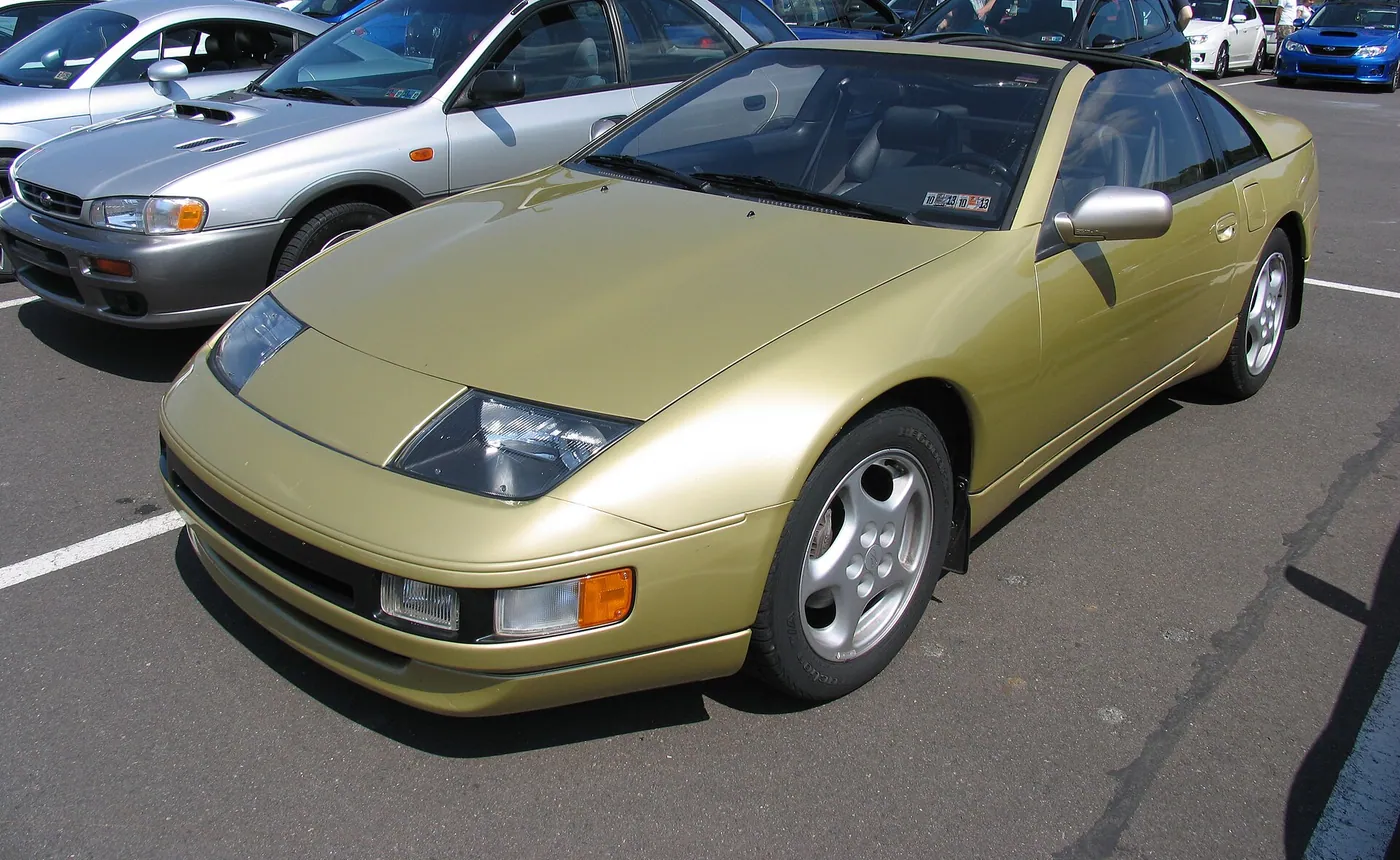
Variants worth knowing
The twin-turbo two-seater is the most desirable for many buyers, though the 2+2 is more practical. The convertible was a relatively rare model. In Japan, a range of trim levels and special editions were sold over the long production run, which ended in 2000. Japanese-market cars have a 180 km/h speed limiter, which many owners have removed.
Buying one in Japan
Mechanical condition is everything. Ask for documentation of turbo, injector, timing belt and cooling system work. Look for smoke on start-up, listen for boost leaks and check for signs of overheating. A car with recent, documented work in these areas is worth more than a cheaper car that needs it.
Rust is less of a problem than on older Zs, but it still appears in the rear wheel arches, sills and around the T-top roof seals, which can leak. Check the floors under the carpets. Interior trim, particularly the dashboard and seats, can wear, and some parts are getting hard to find.
Many Z32s have been modified, particularly twin-turbo cars with raised boost. Mileage on older Japanese cars should always be supported by records. The auction sheet's grade and notes are a useful guide, but nothing replaces a detailed inspection.
Check the paperwork as closely as the car. The chassis number on the Japanese export certificate should match the plate and the body stamping, and the model code tells you whether the car left the factory as a twin-turbo or a non-turbo, a two-seater or a 2+2. Converting a non-turbo car to twin-turbo specification is possible, but it is a large job, and a buyer paying for a genuine twin-turbo should see proof. Ask about the history of the T-top panels, as replacement glass and seals add up. Look for evidence of regular servicing at sensible intervals, with receipts that name the work done. A Z32 that has been looked after by one careful owner, with a folder to prove it, is a far safer purchase than a cheaper car with a short history and a long list of modifications.
Should you import one?
The Z32 suits someone who wants a fast, good-looking 1990s Japanese sports car and is ready to look after it properly. The twin-turbo car rewards a specialist relationship, while the non-turbo is a simpler option.
It is right-hand drive, comfortable enough for long Irish journeys, and the earliest cars are now over 30 years old, so they can qualify for Ireland's vintage treatment. Find a mechanic who knows the VG engine, keep it dry, insure it carefully and budget for maintenance. Bought well, a Z32 delivers a rare blend of comfort, pace and style.
Frequently asked questions
How much power does the Z32 twin-turbo make?
It was rated at 280 PS in Japan, the figure that became the ceiling under the domestic makers' voluntary agreement.
Is the Z32 hard to work on?
The twin-turbo engine bay is crowded, so many jobs such as turbo replacement take considerable labour.
Is the non-turbo Z32 worth considering?
Yes. It is simpler and cheaper to maintain, with 230 PS and the same styling.
Can a Z32 qualify for vintage status in Ireland?
Cars over 30 years old can qualify; early Z32s from 1989 onwards are reaching or past that age, so check the build date.
More Japanese classics
- Nissan Fairlady Z (Z31): the turbo V6 coupe that defined the 1980s Z
- Datsun Fairlady Z (S30): the affordable sports car that won over the world
- Datsun Fairlady Roadster (SR311): the open two-seater that took on Britain's best
- Toyota Sports 800: the featherweight twin that taught Toyota how to have fun
- Honda S800: the 791 cc roadster that revved like a racing motorcycle
- All 90 Japanese classics you can import
Photo credits
- Photo: OWS Photography / Wikimedia Commons, CC BY 4.0
- Photo: Jacob Frey 4A / Wikimedia Commons, CC BY 2.0