
Nissan Safari (Y60): the coil-sprung Patrol built for the hardest roads on earth
Known as the Patrol GR in Ireland and Europe, the Y60 Safari brought coil springs and solid axles together in a tough, simple off-roader. Japanese examples are often well kept and lightly used.
By the Japan to Ireland editors · · 4 min read
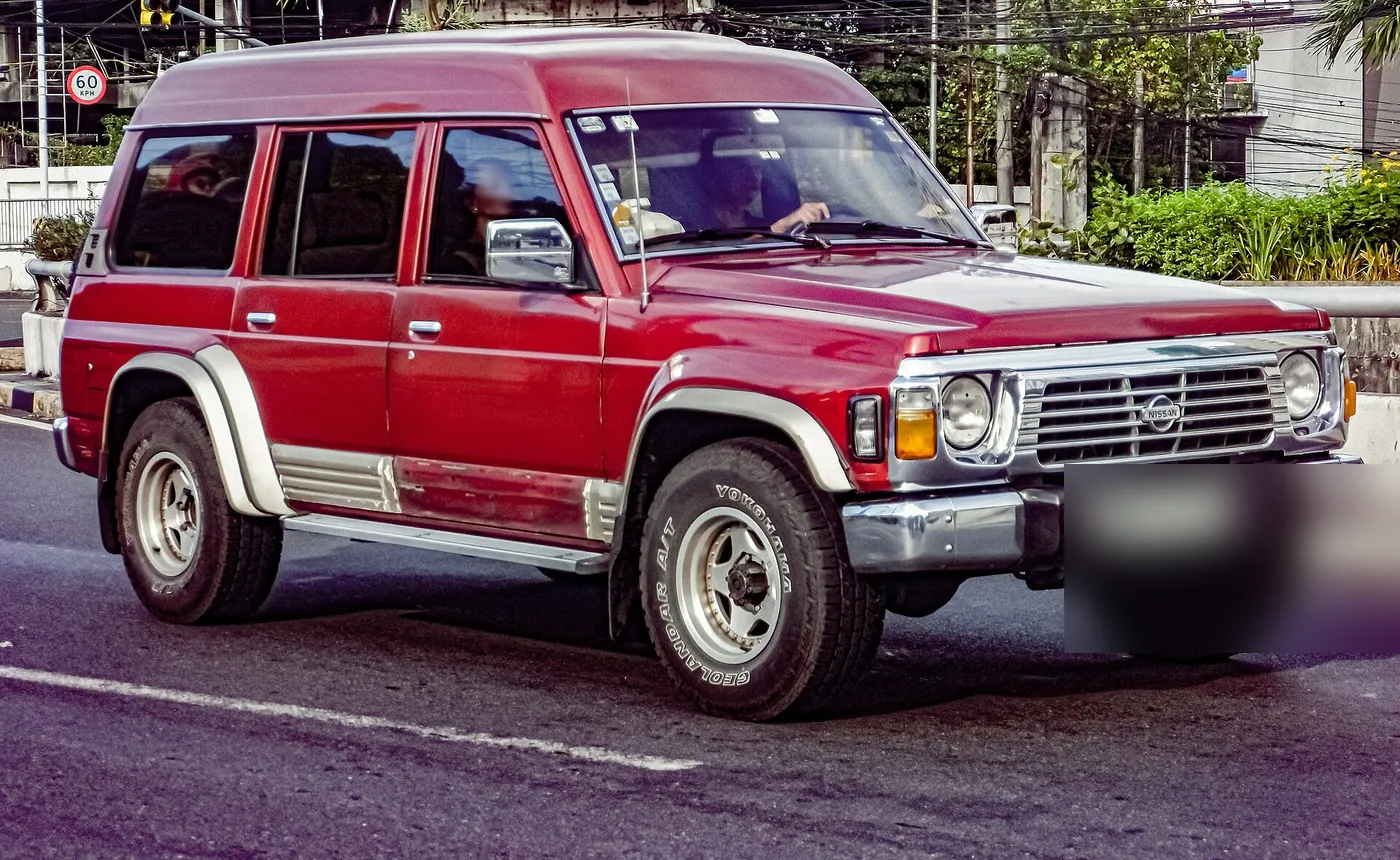
In the late 1980s, the hardest test of a four-wheel-drive vehicle was not a showroom or a magazine road test. It was a dirt track in Australia, a desert route in the Middle East or a mountain road in Africa. Nissan's large off-roader had been proving itself in places like that for decades, and in 1987 it received a major redesign. In Japan the new model was called the Safari. In Europe, including Ireland, it was the Patrol GR.
The Y60 was a significant step. It kept the solid axles that made earlier Patrols so tough but replaced the old leaf springs with coil springs, giving a better ride on rough ground and more axle movement off-road. It was a simple, durable machine that many people still consider one of the best large off-roaders of its time.
The specs
| Years built | 1987–1997 |
|---|---|
| Engines | 4.2-litre TB42 petrol six, 4.2-litre TD42 diesel six, turbo diesels including RD28T and TD42T |
| Gearbox | 5-speed manual or 4-speed automatic |
| Drive | Part-time four-wheel drive with low range |
| Body styles | 3-door short wheelbase, 5-door long wheelbase wagon, van |
| Suspension | Solid axles with coil springs front and rear |
| Sold in Europe as | Nissan Patrol GR |
Why it was built
Nissan's Patrol had been sold around the world since the 1950s, competing with the Toyota Land Cruiser and Land Rover. By the mid-1980s it needed modernising. Buyers wanted more comfort and refinement, but they were not willing to sacrifice toughness. The Y60 answered that by combining a strong ladder chassis and solid axles with coil-spring suspension and a more comfortable cabin.
In Japan the late 1980s were boom years, and large four-wheel-drive vehicles became fashionable, used for weekend trips to ski resorts and the countryside. The Safari benefited from that trend.
Design and engineering
The Y60 has a ladder chassis, solid axles front and rear, and coil springs at all four corners. Part-time four-wheel drive with a low-range gearbox was standard, and a rear differential lock was available on some models.
Engines included the 4.2-litre TB42 petrol six, the 4.2-litre TD42 diesel six and turbocharged diesel engines, including the 2.8-litre RD28T and a turbocharged TD42. The TD42 diesel is renowned for its durability.
Body styles included a short-wheelbase three-door, a long-wheelbase five-door wagon and a van. The vehicle was replaced by the Y61 in 1997.
How it drives today
The Y60 is a large, heavy vehicle with slow steering and a soft ride. On the road it cruises comfortably but is not quick, especially with the non-turbo diesel. The turbocharged diesels offer more performance and are better suited to motorway driving.
Off-road the Y60 is outstanding. The coil-sprung solid axles give excellent articulation, and the low-range gearbox and strong engines make light work of mud, rocks and steep slopes. On Irish forestry tracks and farm lanes it is very capable. Fuel consumption is high, especially with the petrol engine.
The versions worth knowing
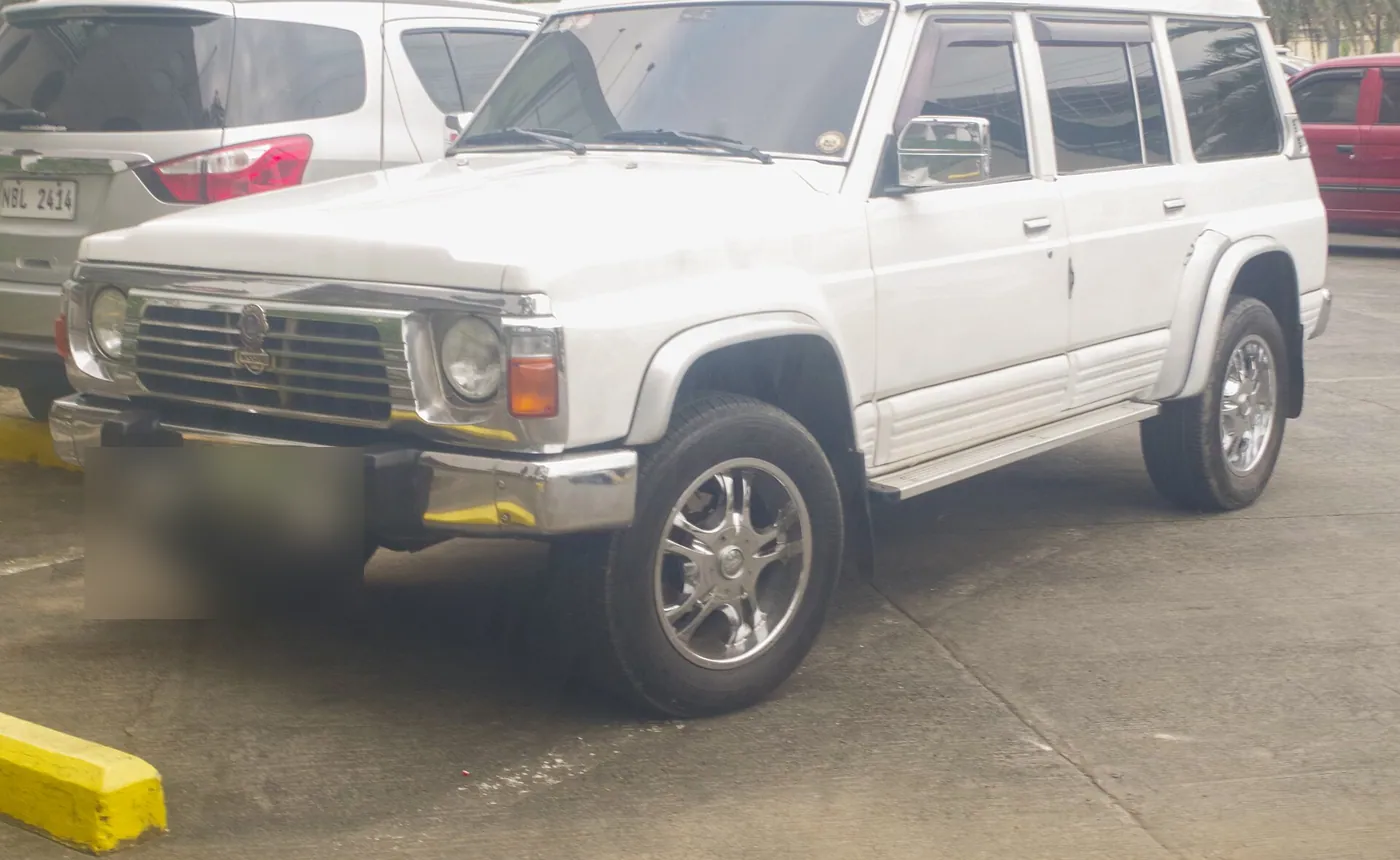
The TD42 diesel is the most sought-after engine for its toughness. The turbocharged diesel versions offer better performance. The long-wheelbase wagon is the most practical, with seating for up to seven, while the short-wheelbase three-door is more agile off-road. Granroad versions in Japan offered more comfort and equipment.
What to check when buying one in Japan
Rust is the main concern. Check the chassis rails, rear crossmember, body mounts, sills, floor pans and the bottom of the tailgate. Vehicles used in snowy regions may have been exposed to road salt. Inspect the underside carefully.
Mechanically, check for oil leaks from the engine, gearbox and axles. Listen for worn bearings and gearbox noises. Turbo diesels should be checked for turbo wear and overheating. The four-wheel-drive system should engage smoothly, and the differential lock should work where fitted.
Many Safaris have been modified with lift kits, larger tyres and off-road equipment. These can affect handling and roadworthiness. Original vehicles are more desirable.
Odometer readings can be unreliable on vehicles of this age, so look for service records and a sensible auction history. Ensure the export certificate and paperwork are complete.
There is one more thing to understand about Japanese Safaris. Tighter emissions rules for diesel vehicles in parts of Japan, particularly around the larger cities, pushed many older diesel four-wheel drives out of the domestic market. As a result, a number of well-kept Y60s have been sold on by owners who could no longer register them where they lived, rather than because anything was wrong with them. A careful search can turn up genuinely tidy, lightly used vehicles.
Should you import one?
The Y60 Safari suits someone who wants a tough, simple off-roader with a strong reputation. It is right-hand drive, familiar to Irish drivers as the Patrol GR and supported by a large international parts supply. It is not economical, and it is large for narrow roads, but it is very capable off-road and in bad weather.
Cars over 30 years old can qualify for Ireland's vintage treatment, and early Y60s now qualify, while later models will take some years. Look for a well-kept, original vehicle with minimal rust. A good Y60 can last for many more years with proper care.
Frequently asked questions
Is the Safari the same as the Patrol GR?
Yes. The Y60 was sold as the Safari in Japan and as the Patrol GR in Europe, including Ireland.
Which engine is the most reliable?
The 4.2-litre TD42 diesel is renowned for its durability and is the most sought-after engine.
What should I check for rust?
Check the chassis rails, rear crossmember, body mounts, sills, floor pans and the bottom of the tailgate.
Is it good off-road?
Yes. Its coil-sprung solid axles, low-range gearbox and strong engines make it very capable off-road.
More Japanese classics
- Nissan Cima (Y31): the turbo luxury saloon that gave its name to a boom
- Nissan Cedric and Gloria (Y31): the twin saloons that carried Japan's businessmen
- Datsun Bluebird (510): the family saloon that won the Safari Rally and conquered America
- Nissan March Super Turbo: a twincharged Micra built for Japan's hot hatch wars
- Nissan Rasheen: the boxy little four-wheel drive Japan kept to itself
- All 90 Japanese classics you can import
Photo credits
- Photo: Ethan Llamas / Wikimedia Commons, CC BY-SA 4.0
- Photo: Ethan Llamas / Wikimedia Commons, CC BY-SA 4.0