
Nissan Skyline R31 GTS-R: the forgotten homologation special that bridged two GT-Rs
Built in a run of around 800 cars in 1987 to qualify the Skyline for Group A racing, the GTS-R is the missing link between the 1970s GT-Rs and the R32. It is rare, angular and very 1980s.
By the Japan to Ireland editors · · 4 min read
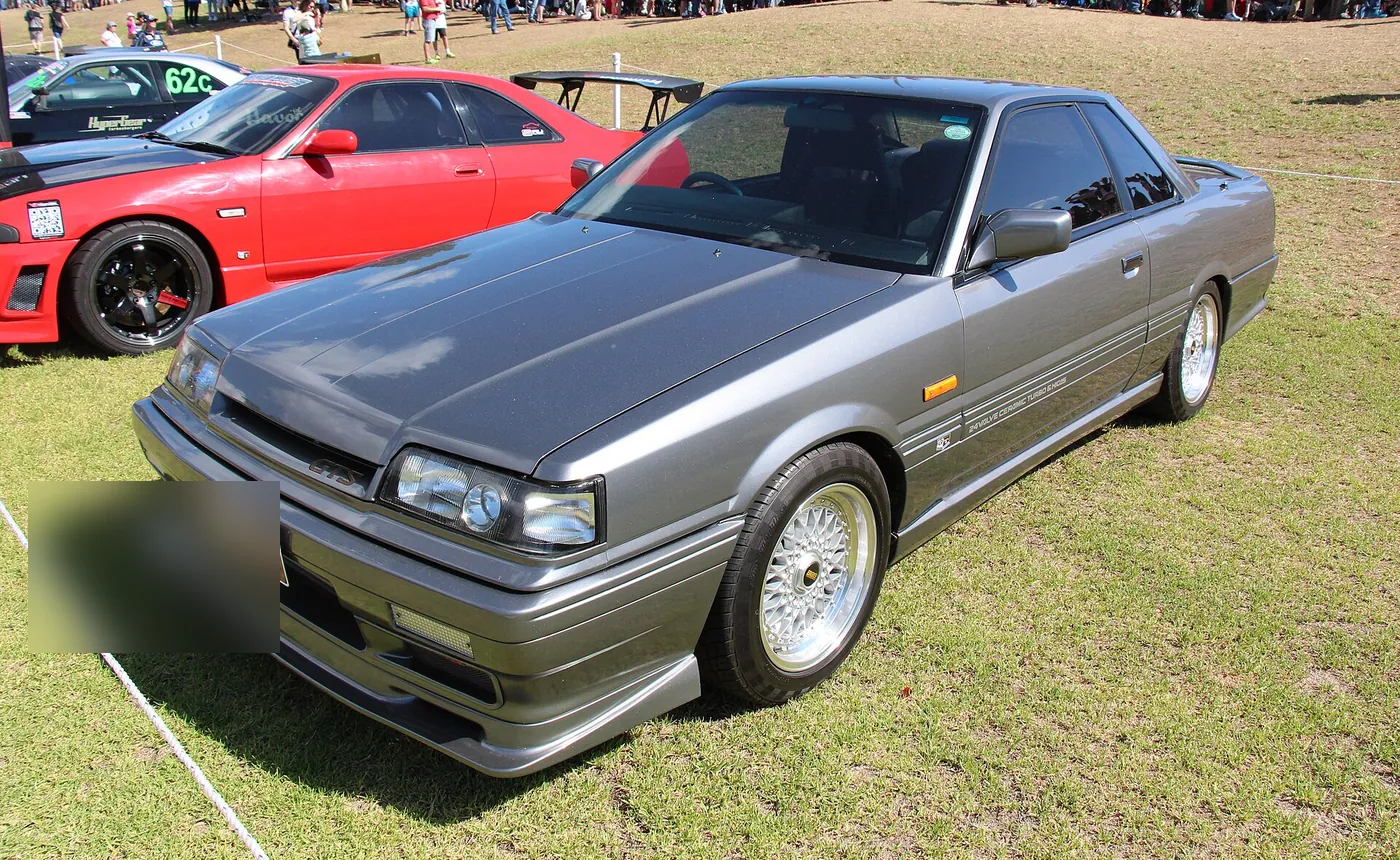
In the summer of 1987, Nissan built a short run of Skyline coupes that looked, at first glance, like the ordinary GTS models already in showrooms. Look again and the differences showed: a deeper front spoiler with an extra lip, an adjustable rear wing, GTS-R badges. They existed because the rules of Group A touring car racing required a minimum number of road cars to be sold before a model could race. Around 800 were built. They were the first serious performance Skylines since the Kenmeri GT-R of 1973.
The specs
| Years built | 1987 (GTS-R); R31 range 1985–1989 |
|---|---|
| Engine | 2.0-litre turbocharged straight-six (RB20DET-R), twin overhead camshafts |
| Power | 210 PS (Japanese net rating) |
| Gearbox | Five-speed manual |
| Drive | Rear-wheel drive |
| Body styles | Two-door coupe |
| Production | Around 800 cars for homologation |
Where the R31 came from
The seventh-generation Skyline, the R31, arrived in 1985. Japan was deep into its boom years. Money flowed, cities glittered and buyers wanted technology. The R31 gave them plenty: it introduced HICAS, Nissan's rear-wheel steering system, and the new RB family of straight-six engines that would power Skylines for the next two decades.
At launch, the R31 was a four-door saloon and hardtop. A two-door coupe, the GTS, followed in 1986 and was the sportiest of the range. It was a sharp-edged, wedge-like car, typical of the decade, with four round tail lamps carrying on the Skyline tradition.
Nissan wanted to go Group A racing with it, and Group A required homologation. The GTS-R was the answer.
Design and engineering
The engine is the RB20DET-R, a 2.0-litre twin-cam straight-six with a larger turbocharger and an intercooler, rated at 210 PS. That was a healthy figure for a two-litre six in 1987. Drive goes to the rear wheels through a five-speed manual gearbox. The aerodynamic additions were not decoration: the front lip and the adjustable rear wing were designed to be used on the race version.
On track the R31 raced in Japan and Australia, building experience that fed directly into the R32 GT-R, which arrived in 1989 and swept all before it. In that sense the GTS-R is the car that taught Nissan how to win in Group A.
How it drives today
The GTS-R feels like what it is: a late-1980s turbo coupe with a rear-drive chassis. Below the turbo's working range the engine is smooth and unremarkable. As boost arrives it pulls with real enthusiasm and the RB six sounds rich and mechanical. Steering is light and the chassis neutral, with a comfortable ride compared with later GT-Rs. It is a car that feels quick rather than fast by modern standards, and its narrow tyres and modest weight make it engaging at sensible speeds.
On Irish roads the wet is the main consideration. A turbocharged rear-drive car of this era deserves good tyres and respect on cold, greasy surfaces.
Variants worth knowing
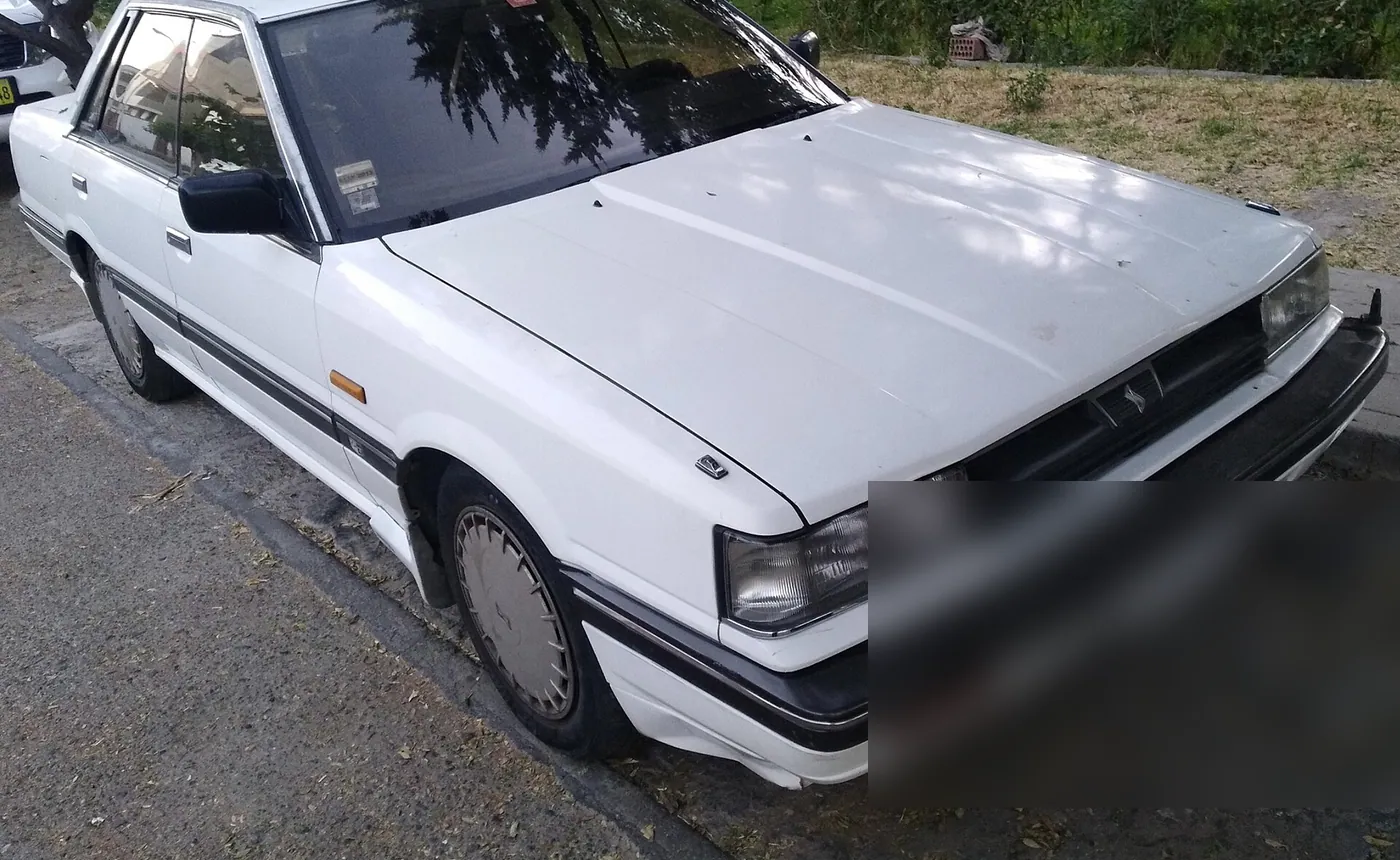
The GTS-R is the one collectors chase, and the badging and aero make it easy to spot. The ordinary GTS coupe shares the shape and is far more common, as is the GTS-X. There were also various four-door R31s. Several tuning companies and Nissan affiliates produced their own limited specials based on the R31 coupe, and these attract enthusiast interest too. For most buyers, a clean GTS or GTS-X coupe gives most of the experience without the scarcity.
Buying one in Japan
R31 coupes are getting harder to find in good, original order. Many were modified during the drift boom, and finding an unmodified GTS-R takes patience. Check that the car is a real GTS-R rather than a GTS wearing the spoilers: the specification on the papers, the engine type and the period documentation matter.
Rust is common around the rear wheel arches, sills, floor pans, the bottom of the doors and the boot. Check the strut tops and the area under the battery. HICAS systems can develop faults and some owners have removed them, so ask about it. Interior plastics from the 1980s become brittle, and some trim is now hard to source, although RB engines are well understood and widely supported.
Mileage should be treated with care. Instrument clusters have often been swapped, so a low reading needs records to support it. Japanese auction sheets give a useful independent view of condition and should be read alongside photographs of the underside.
Should you import one?
The GTS-R suits a buyer who loves the 1980s and wants a Skyline with a genuine motorsport story but not the attention, or the running costs, of a later GT-R. It is a car for Sunday drives, meets and careful use, rather than a daily driver.
It is right-hand drive, like every Japanese-market car, which is a genuine plus here. Cars built in the 1980s are now over 30 years old, so they can qualify for Ireland's vintage treatment. Budget time for sourcing trim, find a mechanic who knows RB engines, and keep it out of salted winter roads. Bought carefully, it is one of the more interesting Skylines to own and one of the least common in Ireland.
Frequently asked questions
How many R31 GTS-Rs were built?
Around 800, in 1987, to satisfy Group A homologation rules.
What engine does the GTS-R use?
The RB20DET-R, a 2.0-litre turbocharged twin-cam straight-six rated at 210 PS.
Is the R31 GTS-R four-wheel drive?
No. It is rear-wheel drive with a five-speed manual gearbox.
Is an R31 old enough for vintage status in Ireland?
Yes. Cars over 30 years old can qualify for Ireland's vintage treatment, and every R31 is now past that mark.
More Japanese classics
- Nissan Skyline GT-R Kenmeri: the 197-car GT-R that never got to race
- Nissan Skyline GT-R Hakosuka: the boxy saloon that rewrote Japanese racing
- Nissan Skyline GT-R R32: how Godzilla won every race it entered and changed the rules
- Nissan Skyline GT-R R33: the bigger, calmer GT-R that proved itself at the Nürburgring
- Datsun Fairlady Z (S30): the affordable sports car that won over the world
- All 90 Japanese classics you can import
Photo credits
- Photo: Sicnag / Wikimedia Commons, CC BY 2.0
- Photo: Parked in aqp / Wikimedia Commons, CC BY-SA 4.0