
Toyota Chaser, Mark II and Cresta (X90): three saloons, one twin-turbo heart and a cult that never faded
Launched as Japan's bubble economy burst, the X90 triplets were family saloons for salarymen. A straight-six and rear-wheel drive made them enthusiast icons.
By the Japan to Ireland editors · · 4 min read
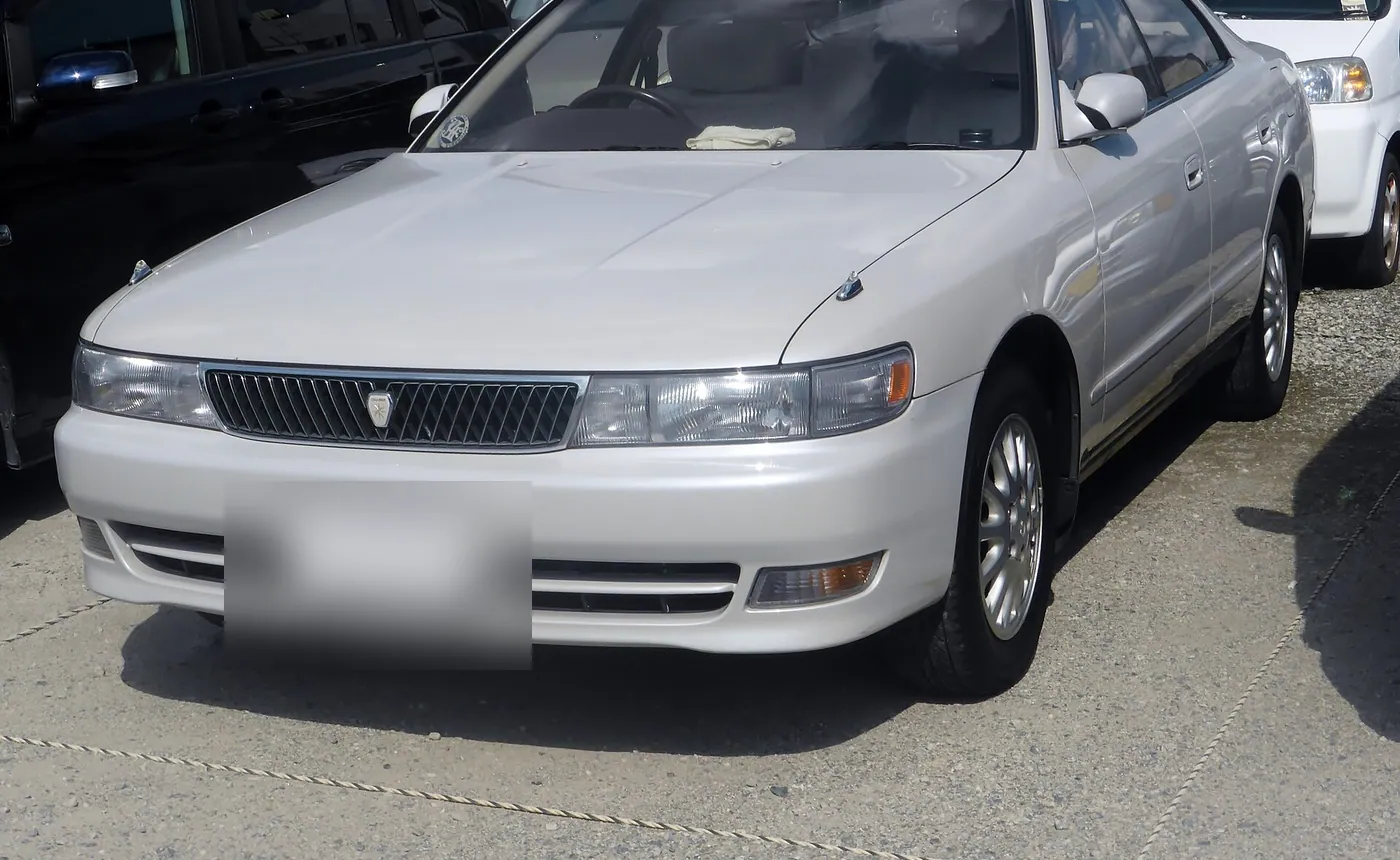
In the early 1990s, Japan's roads were full of white four-door saloons. They carried company workers to the office, families to the coast, and young drivers to mountain passes on weekend nights. Many of them were Toyota's Mark II, Chaser and Cresta, three closely related cars that shared their underpinnings but each had a distinct character. The X90 generation, launched in 1992, was the last of the triplets to arrive as Japan's bubble economy was still fresh in memory, and it has become a cult classic.
The X90 is best known for its turbocharged straight-six and rear-wheel drive, a combination that made it a favourite among drift enthusiasts. But it was designed first as a comfortable family car, and that dual personality is a big part of its appeal.
The specs
| Years built | 1992–1996 |
|---|---|
| Engines | Four-cylinder and straight-six petrol, plus diesel; 1JZ-GTE 2.5-litre twin-turbo six in sporting versions |
| Gearbox | Four-speed automatic; five-speed manual on some turbo versions |
| Drive | Rear-wheel drive; four-wheel drive on some versions |
| Suspension | Double wishbones front and rear |
| Body styles | Mark II and Chaser four-door hardtops; Cresta four-door saloon |
| Sporting name | Tourer V (Mark II and Chaser) |
Why it was built
The Mark II, Chaser and Cresta had grown into a large part of Toyota's sales by the late 1980s. They sat below the Crown and offered upmarket comfort at a more accessible level. Toyota used different dealer networks to sell each version, with styling and trim differences to suit their buyers.
When the X90 arrived, Japan's economy was entering a long downturn after the bubble burst. But the cars had been designed during the boom years, and they reflected that confidence. They were larger, more refined and better equipped than their predecessors.
That timing shaped their reputation. Sold new to cautious buyers in a slowing economy, many X90s were bought as sensible family saloons and driven gently for years. Only later, as they became cheap on the used market, did younger drivers discover what a rear-wheel-drive straight-six could do. That is why the survivors range from pristine, elderly-owned cars to heavily modified machines.
Design and engineering
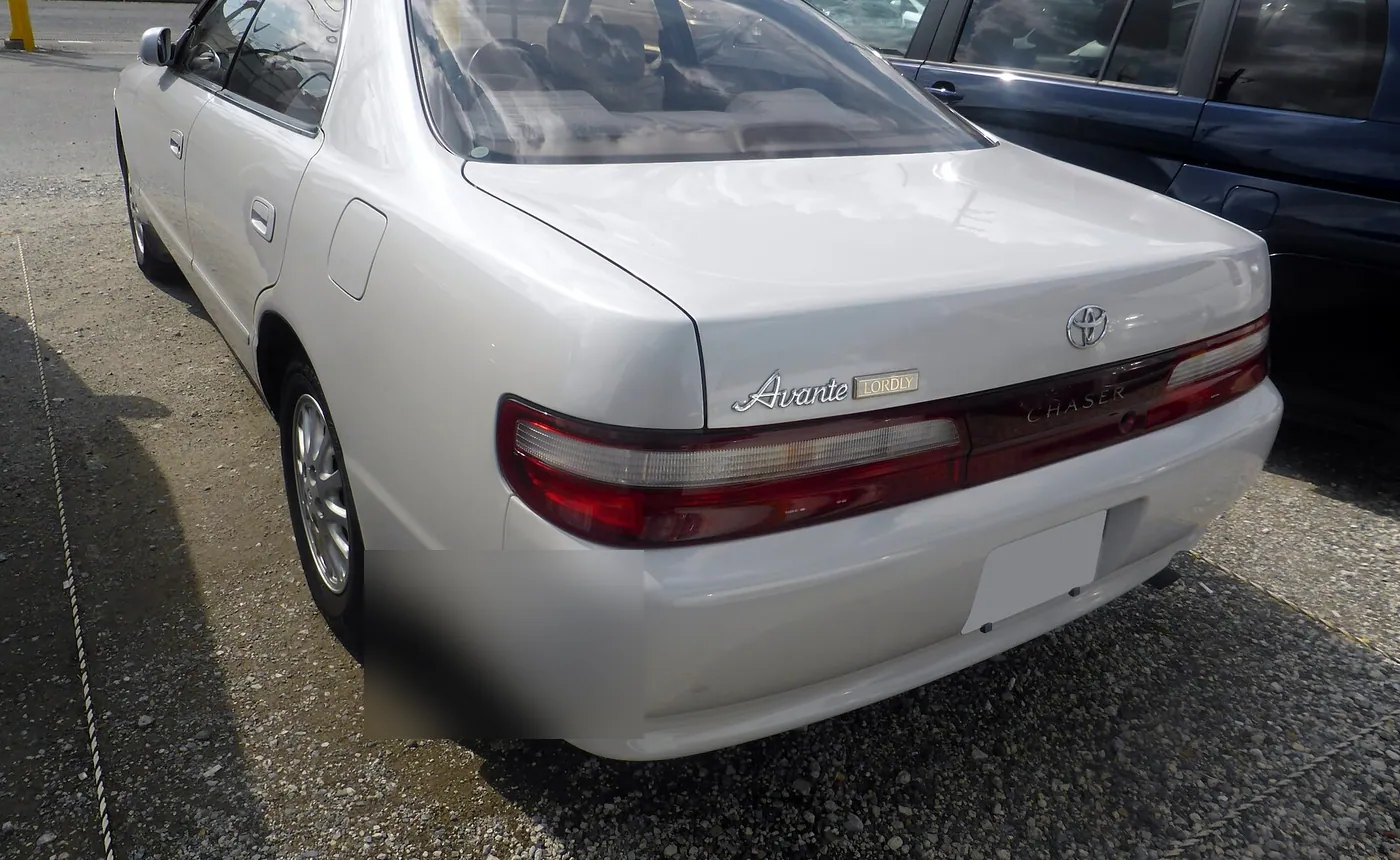
The Mark II and Chaser were four-door hardtops with frameless door windows, giving them a sleek profile. The Cresta was a pillared four-door saloon with a more formal look. All three shared the same platform, with double-wishbone suspension front and rear, giving them good ride quality and handling.
The engine range ran from four-cylinder petrol and diesel units to straight-six petrol engines. The most famous was the 1JZ-GTE 2.5-litre twin-turbo straight-six, fitted to the sporting Tourer V versions of the Mark II and Chaser. Some turbo versions were available with a five-speed manual gearbox, which has made them especially sought after. Four-wheel-drive versions were also offered for buyers in snowy regions.
How it drives today
A well-kept X90 drives smoothly and quietly, with a comfortable ride and good stability at motorway speeds. The straight-six engines are refined and torquey, and the twin-turbo 1JZ-GTE delivers strong performance. Rear-wheel drive gives the car a balanced feel, and the steering is light but precise.
On Irish roads, an X90 is comfortable on the motorway and capable on twisty country roads, although care is needed in wet conditions, especially with the turbo versions. The cabin is spacious, with plenty of room for adults in the rear and a generous boot.
The variants worth knowing
The Tourer V versions of the Mark II and Chaser, with the 1JZ-GTE twin-turbo and especially the five-speed manual, are the most sought after. Non-turbo straight-six versions offer smooth, relaxed performance and are often cheaper to insure and run. The Cresta has a more formal look and appeals to buyers who prefer a traditional saloon. Four-wheel-drive versions are rarer and suit buyers who want more grip in wet or snowy conditions.
What to check when buying in Japan
Many X90s have been modified or used for drifting, so check carefully for signs of hard use. Look for accident damage, uneven panel gaps, crash repairs and chassis damage. Inspect the rear wheel arches, sills, strut towers and jacking points for rust. Check the suspension and steering for worn bushes and joints, and inspect the rear subframe and differential mounts.
Turbo versions should be checked for smoke, boost leaks and signs of overheating. Many have aftermarket intakes, exhausts and engine management systems. Some modifications are well done, but others can affect reliability. A car that has been kept close to standard is usually the safest choice.
Mileage can be difficult to verify, especially on cars that have had multiple owners. Look for consistent wear on the interior and pedals, and check service records where available. Ensure that the chassis number matches the export paperwork.
Should you import one?
The X90 is ideal for enthusiasts who want a comfortable, characterful saloon with a strong following. It suits buyers who appreciate straight-six engines and rear-wheel drive, and who enjoy the Japanese performance car scene.
In Ireland, an X90 is comfortable for long journeys and fun on country roads. Insurance can be expensive for turbo versions, and finding unmodified examples is increasingly difficult. Cars over 30 years old can qualify for Ireland's vintage treatment, which covers the earliest X90s. Choose a well-maintained example, preferably close to standard, and it will reward you with a smooth, engaging driving experience.
Frequently asked questions
What is the difference between the Mark II, Chaser and Cresta?
They share the same platform but have different styling and trim. The Mark II and Chaser are hardtops, while the Cresta is a pillared saloon.
Which engine is most sought after?
The 1JZ-GTE 2.5-litre twin-turbo straight-six fitted to the Tourer V versions.
Are many X90s modified?
Yes. Many have been modified or used for drifting, so check carefully for signs of hard use.
Is the X90 right-hand drive?
Yes. It was built for the Japanese market and is right-hand drive.
More Japanese classics
- Toyota Hilux Surf (N130): the pick-up that became a family SUV just as Japan fell for the outdoors
- Toyota Land Cruiser 80: coil springs, big sixes and the moment the Land Cruiser grew up
- Toyota Mark II (X70): the white hardtop that carried Japan's salarymen into the boom years
- Toyota Sera: the glass-roofed coupe with butterfly doors that only the bubble era could have built
- Toyota Estima (first generation): the egg-shaped people carrier with its engine under the floor
- All 90 Japanese classics you can import
Photo credits
- Photo: Tokumeigakarinoaoshima / Wikimedia Commons, CC0
- Photo: Tokumeigakarinoaoshima / Wikimedia Commons, CC0